
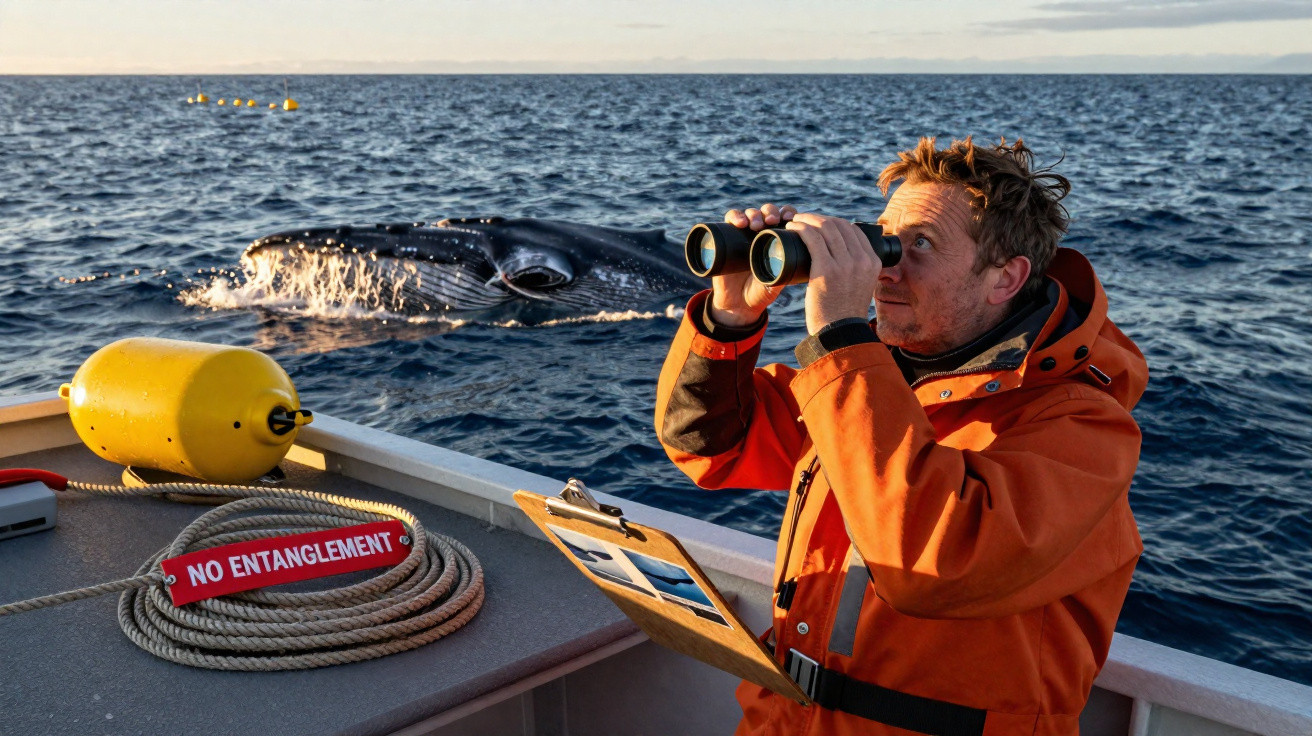
The critically endangered North Atlantic right whale is moving in a more positive direction.
Having hovered near extinction for more than a century, this enormous marine mammal (Eubalaena glacialis) is at last displaying indications of a gradual recovery.
North Atlantic right whale population shows slow recovery
Scientists from the North Atlantic Right Whale Consortium report that the population rose by slightly more than 2 percent in 2024 compared with 2023.
This represents 8 new whale calves and takes the estimated number of surviving animals to 384. Although the rise is modest, it offers encouraging news. Since 2020, the North Atlantic right whale population has grown by more than 7 percent.
That follows a far bleaker previous decade, during which the population fell by roughly 25 percent.
"It's always a great feeling when we can share positive news about this critically endangered species," says Heather Pettis, who heads the right whale research programme at the New England Aquarium.
"The slight increase in the population estimate, coupled with no detected mortalities and fewer detected injuries than in the last several years, leaves us cautiously optimistic about the future of North Atlantic right whales."
Even so, there is no cause for complacency. Pettis stresses that conservation efforts cannot ease off yet.
No North Atlantic right whale deaths have been recorded so far this year. However, many whales are injured or in poor condition, while birth rates have declined.
Threats facing North Atlantic right whales
North Atlantic right whales are believed to have gained their name because they were historically considered the ‘right’ whales for people to kill. By the early 1890s, hunting had driven the species close to extinction.
The population now has legal protection, yet it remains exposed to numerous dangers. Whales can be killed in vessel collisions or through entanglement in fishing gear.
Environmental non-profit organisation Oceana says that fishing gear entangles around a quarter of the North Atlantic right whale population in the US and Canada each year. Approximately 85 percent of whales have experienced entanglement at least once.
"Detecting entanglements is challenging as it requires two things to align: people to be looking and whales to be present in those times and locations where they're looking," says Philip Hamilton, senior scientist at the New England Aquarium's Anderson Cabot Center.
Further measures intended to reduce whale deaths include temporary fishing-free areas and a move to ropeless fishing gear, although such schemes require support from local communities.
"The road to recovery for this population is long," says Pettis.
North Atlantic right whales must continue swimming, and people must allow them to do so.






Comments
No comments yet. Be the first to comment!
Leave a Comment