

Ageing is widely known to diminish strength. This age-related loss of muscle, called sarcopenia, can ultimately result in more falls and hospital admissions, problems walking or using the toilet, and reduced independence. In time, it may lead to a need for residential care.
Many people picture someone with this condition as elderly, frail and extremely thin. Yet sarcopenia can affect people who are neither slim nor especially old.
Sarcopenic obesity occurs when somebody has excess body weight - particularly body fat - while also having lost substantial muscle mass and strength.
Caused by too little exercise and poor nutrition, the condition can develop unnoticed long before a person recognises there is an issue. It may affect people who otherwise appear healthy, particularly from middle age onwards.
A hidden condition
Sarcopenic obesity is difficult to spot. A person may look as though they carry excess body weight, while internally they have experienced a considerable loss of muscle mass and strength.
Alternatively, they may not look overweight, despite having lost muscle and gained fat. For example, somebody in their 60s who wears the same clothing size as they did in their 20s may still have sarcopenic obesity.
Although many people understand the health problems commonly linked with obesity, including a greater risk of diabetes, cardiovascular disease and early death, the combined effects of obesity and low muscle mass are more damaging still.
Muscle matters both for movement and for the body's metabolism. People with sarcopenic obesity face a higher risk of losing the capacity to carry out routine activities, such as walking or getting on and off the toilet. The condition can also lead to more illness and early death.
Why does sarcopenic obesity often sneak up on people?
Sarcopenic obesity may emerge slowly over many years. Someone might not look frail or thin, yet may already have lost a significant amount of muscle because it has not been used.
Research has found that from the age of 40, people may lose up to 1% of their muscle each year.
The muscle that remains may also work less effectively and is often streaked with fat - much like a cut of wagyu beef.
A further review indicated that visceral fat, or abdominal fat, can rise by more than 200% in men and 400% in women between their 30s and 70s.
What can I do?
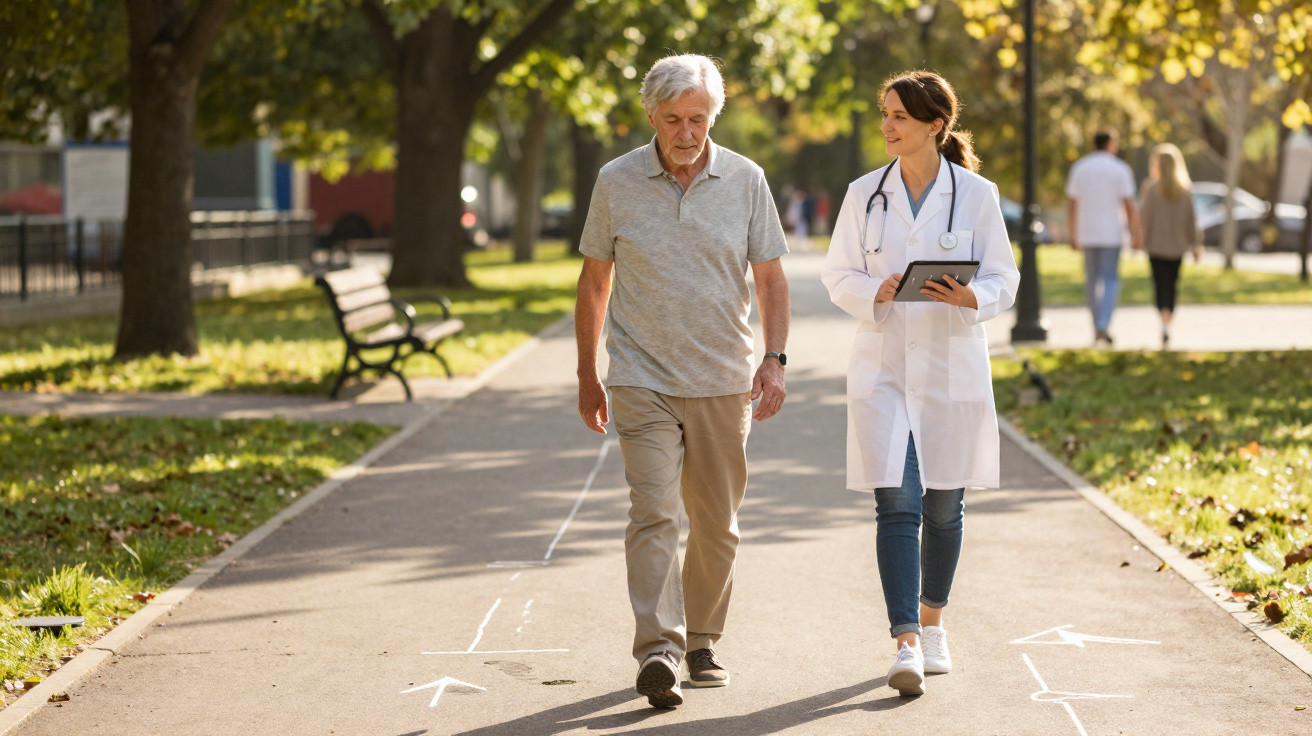
There is plenty you can do, although it may take time. To reverse sarcopenic obesity or lower your chance of developing it, try to:
- increase your exercise, combining resistance (strength) training with aerobic activity
- work towards 150-300 minutes of physical activity each week, including two or three resistance-training sessions, such as weightlifting or bodyweight exercises
- walk or cycle more often
- exercise in a swimming pool.
You could also consider changing your diet, since nutrition is important in reversing sarcopenic obesity.
However, the very-low-calorie diets generally used to address obesity can reduce muscle mass further. You may lose fat, but you could also lose muscle and strength.
A recent research paper co-authored by one of us (Carla Prado) recommends instead making a modest reduction in energy intake of between 200 and 700 calories a day, while increasing physical activity.
The paper also advises considering a higher protein intake, at between 1 and 1.5g of protein per kilogram of body weight daily. This may help reduce food cravings and preserve or build muscle mass.
Lean protein sources include:
- low-fat dairy products
- white fish
- chicken breast
- lean beef or pork
- lentils
- reduced-fat soya milk
- tempeh or tofu.
Changing your activity levels and diet in these ways is not straightforward. However, as sarcopenic obesity advances, exercising becomes more difficult, worsening the issue further. It is a vicious circle.
What can doctors and governments do?
In Australia, doctors can discuss with patients the Medicare-funded Chronic Disease Management programme, which pays for five treatment appointments a year with an exercise physiologist and a dietitian.
Private health insurance may cover part of the cost of additional consultations.
Treatment and support can certainly be costly. However, the resulting health gains and financial savings generally offset those costs over time.
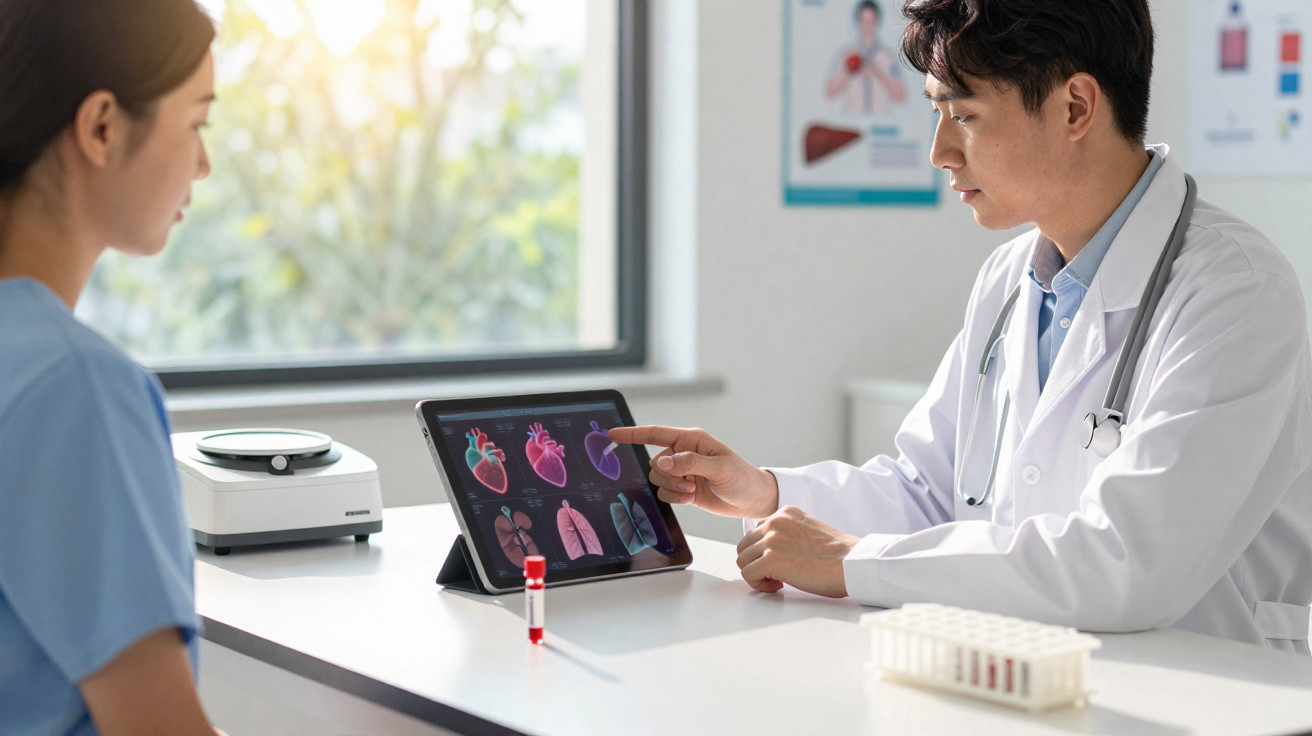
GPs and other allied health professionals can also become familiar with recent screening and diagnostic criteria, enabling them to identify more effectively people who have, or may be at risk of, sarcopenic obesity.
These updated diagnostic criteria represent a major step towards policy changes that improve the diagnosis and treatment of sarcopenic obesity.
Doctors might also recommend that patients consider:
- exercise snacking, in which people complete brief bouts of exercise during the day
- bariatric surgery
- obesity medications.
It is vital to train health-care professionals and raise public awareness.
More research funding is also needed to improve understanding of the causes of sarcopenic obesity and to create targeted interventions that can prevent and reverse it.
Justin Keogh, Associate Dean of Research, Faculty of Health Sciences and Medicine, Bond University and Carla Prado, Professor, Department of Agricultural, Food, and Nutritional Science, University of Alberta
This article is republished from The Conversation under a Creative Commons licence. Read the original article.




Comments
No comments yet. Be the first to comment!
Leave a Comment