
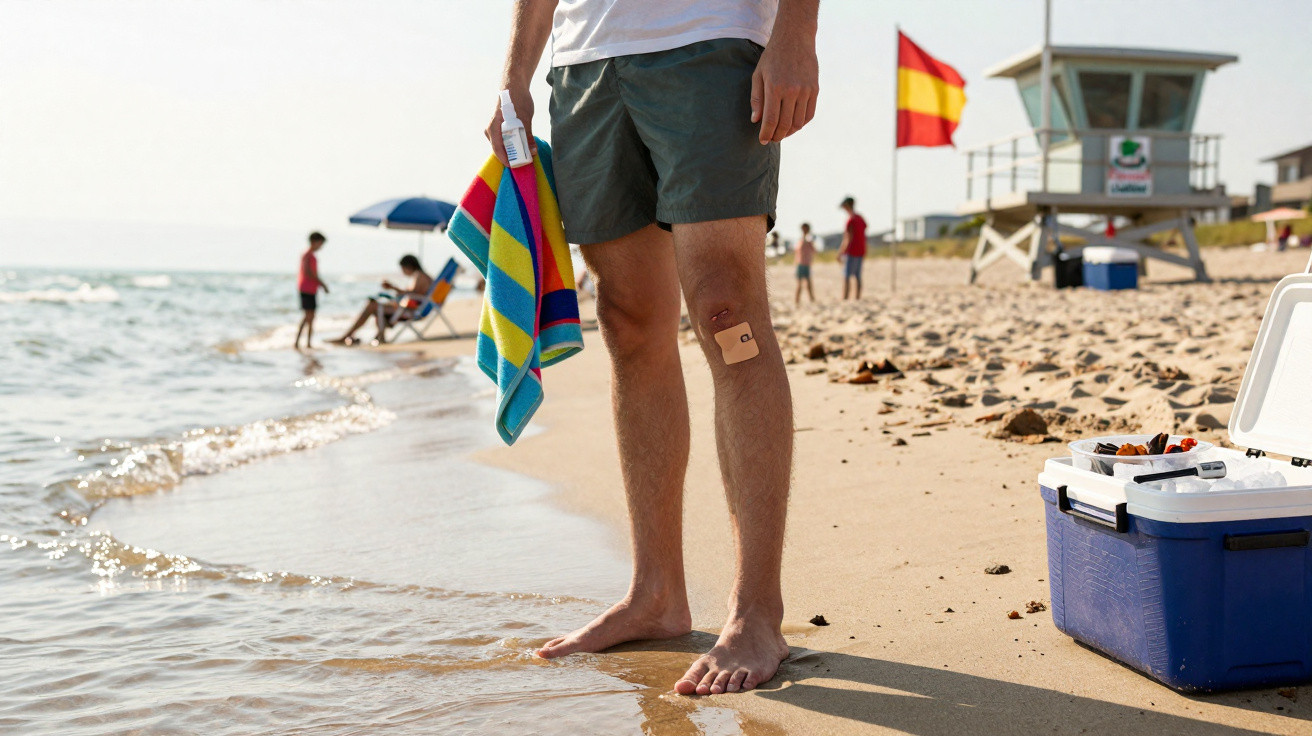
A little-known marine microbe has become a cause for concern.
Public health authorities in several coastal states in the United States issued warnings after a group of serious infections was linked to Vibrio vulnificus, a salt-tolerant bacterium capable of turning a small cut into a medical emergency.
What is behind the concern
Hospitals on the Gulf Coast and in parts of the Atlantic coast have reported people becoming unwell within hours of swimming or eating seafood. Authorities confirmed at least eight deaths this summer following suspected Vibrio infections, as well as dozens of hospital admissions. The number of cases appears greater than in a usual season.
Doctors warn that some patients can deteriorate rapidly, sometimes within 24 hours, especially after seawater exposure with an open wound or after eating raw oysters.
The bacterium responsible, Vibrio vulnificus, grows in warm, brackish water. It is naturally occurring and not a new organism. However, prolonged hot weather and shallow, still bays offer ideal conditions for it to multiply, especially between late spring and early autumn.
What Vibrio vulnificus actually is
V. vulnificus is a marine bacterium in the same family as the organism responsible for cholera, although it acts differently. It favours water temperatures above 20°C and medium salinity. Filter-feeding shellfish, including oysters, can accumulate it. It may also enter the body through cuts, grazes or newly made tattoos while paddling, swimming or fishing.
The term “flesh-eating” describes the necrosis and swift tissue destruction that may develop in serious wound infections. Although the phrase sounds alarming, the process is simple: the bacteria produce toxins, circulation is impaired, and skin and soft tissue die without prompt treatment.
How infection occurs
There are two main routes of infection: consuming raw or insufficiently cooked shellfish, or exposing an open wound to seawater or estuary water. A tiny cut can be enough to let the bacteria in, and symptoms may begin that same day.
| Time after exposure | Common signs | What it may signal |
|---|---|---|
| 0–24 hours | Fever, chills, stomach pain, vomiting, diarrhoea | Gastrointestinal illness after raw shellfish |
| 0–24 hours | Redness around a cut, swelling, severe pain | Early wound infection after water exposure |
| 24–72 hours | Blistering skin, purple patches, spreading redness | Skin and soft-tissue damage (necrosis) |
| Any time | Fast heartbeat, confusion, low blood pressure | Sepsis needing urgent hospital care |
Symptoms to look out for
- A sudden fever after swimming or eating seafood.
- Intense pain, warmth or swelling around a recent cut.
- Blisters or dark, blackish changes to skin close to a wound.
- Vomiting and diarrhoea after eating raw oysters or clams.
- Light-headedness, faintness or a rapid pulse.
If you develop fever, vomiting or a rapidly worsening wound within a day of seawater exposure or raw shellfish, seek urgent medical help.
Who is at greater risk
Anyone may become ill, but some conditions make severe illness more likely.
- Long-term liver disease, including cirrhosis or hepatitis.
- Diabetes or haemochromatosis.
- A weakened immune system due to illness or medication.
- Heavy alcohol consumption.
- Older age and open wounds, including fresh tattoos or piercings.
What experts recommend
A few straightforward precautions can substantially reduce the risk without spoiling a day at the beach or a seafood meal.
- Avoid raw oysters and other raw or lightly cooked shellfish. Cook shellfish until they are firm and steaming hot. Throw away any bivalve that does not open while cooking.
- Keep seafood chilled from the shop until it reaches the pan. Prevent cross-contamination from chopping boards and knives.
- Cover cuts with a waterproof plaster before going near the sea, estuaries or marshland. If you cut yourself in the water, clean it with soap and fresh running water as soon as possible.
- Do not swim in warm, shallow bays after heavy rainfall. Run-off can increase bacterial levels.
- Use water shoes and gloves when launching boats, handling traps or fishing near oyster beds.
- If a wound becomes red, hot or extremely painful after contact with water, seek urgent care without delay and mention the exposure.
Avoid seawater if you have a fresh cut. The simplest move often makes the biggest difference.
Hospital treatment for Vibrio vulnificus
Doctors generally begin intravenous antibiotics without delay, often using a combination while test results are pending. Fluids are given to maintain blood pressure. Surgeons may need to open and clean the wound to remove dead tissue. In the most serious cases, amputation can save a life when the infection overwhelms the blood supply. Outcomes are better when treatment begins early. Studies have found high death rates in severe wound infections without rapid treatment, with some reporting that more than half of these cases result in death. Recognising the infection early changes those odds.
Why case numbers may be increasing
A number of factors may be combining. Over the past two summers, sea-surface temperatures in parts of the Gulf and Atlantic reached record or near-record levels, lengthening the season for warm-water bacteria. Coastal populations are also increasing, bringing more people into shallow bays and estuaries. Storm run-off following heavy rain disturbs microbes and puts oyster beds under stress. Meanwhile, an ageing population with higher rates of diabetes and liver disease means more people are in high-risk groups.
Typical annual reports in the United States record around 100–200 Vibrio vulnificus infections nationwide, with only a proportion becoming life-threatening. This summer’s cluster is notable because several severe cases occurred close together during hot months, when beach visits and raw oyster consumption are at their highest.
Advice for travellers and UK readers
People returning from holidays in Florida, Texas, Alabama or Louisiana often talk about beautiful water and excellent seafood. Take sensible precautions too. If oysters are on the menu, choose cooked ones. If you sustain grazes while paddleboarding or wading, clean them thoroughly and keep them dry while they heal.
Waters around the UK are cooler, and severe Vibrio infections are still rare. In exceptionally warm weather, however, brackish estuaries may contain Vibrio species, particularly in shallow water warmed by the sun. Foraging for wild shellfish creates an additional risk. Observe local guidance, follow closure notices and cook all foraged shellfish thoroughly. Open-water swimmers with healing wounds should choose a pool instead.
A simple check before swimming
- Do you have a fresh cut, graze, tattoo or piercing? If so, stay out of warm coastal water.
- Is the water shallow, warm and brackish following recent rain? Pick another location.
- Planning to eat oysters? Have them hot rather than raw.
Warm, salty, shallow water plus a fresh wound equals risk. Change just one of those and you lower the odds.
Additional useful context
“Flesh-eating” infections are not exclusive to seawater. Various bacteria can cause comparable tissue damage after small injuries on land. The common factor is speed: draw around the edge of spreading redness with a pen, inspect it again 30 minutes later, and get help if it spreads quickly or the pain seems disproportionate to how the skin looks.
For restaurants and caterers, maintaining refrigeration and traceability are as important as cooking. Keeping the cold chain below 5°C slows bacterial multiplication in transit. Clear harvesting tags and stock-rotation dates allow kitchens to remove potentially risky supplies quickly when health departments issue warnings following heatwaves or heavy rainfall.
Families heading to the coast can pack a small first-aid kit in the beach bag: waterproof plasters, antiseptic wipes, a bottle of clean water and a marker pen. Prompt cleaning and securely covering a cut can determine whether the evening ends with an ice cream or an unexpected trip to A&E.






Comments
No comments yet. Be the first to comment!
Leave a Comment