
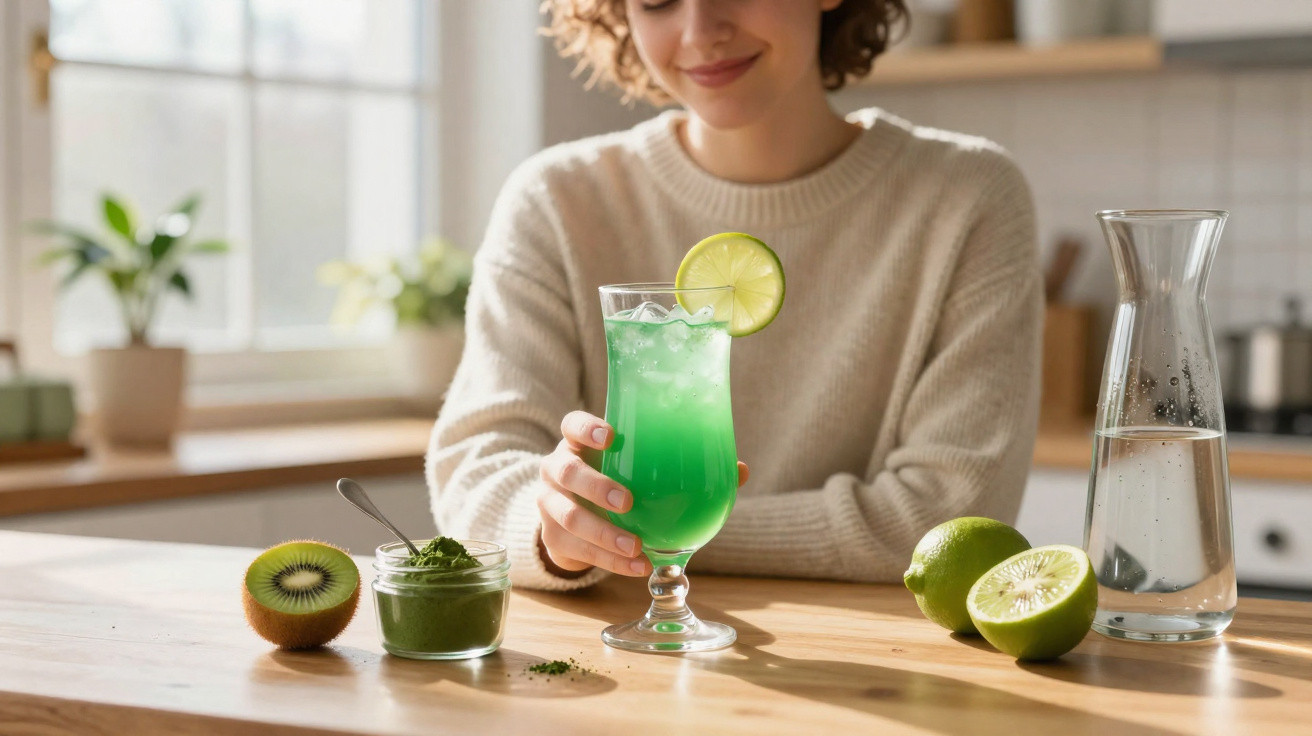
Between gloomy mornings, constant notifications and bodies still recovering from the festive period, plenty of people find themselves running on low power. A vivid, straightforward drink made with kiwi, spirulina and lime is filling that space, offering a steadier route into the day than another double espresso.
The rise of the winter green cocktail
From kitchen experiment to wellness habit
The kiwi–spirulina–lime blend, frequently called “kiwi-spi” in wellness circles, was not born in polished cocktail bars or nutrition laboratories. It emerged gradually in domestic kitchens, where people sought to tackle seasonal tiredness with more whole foods and fewer tablets. Social media then amplified it: a mason jar, a countertop blender and a striking green colour made for sharing.
This beverage falls somewhere between a juice and a smoothie. It contains no alcohol or refined sugar, yet delivers bold colour and a taste closer to a morning reset than an indulgence. For many drinkers, it takes the place of a second coffee or an industrial energy drink they never particularly enjoyed but continued to buy.
Kiwi, spirulina and lime bring vitamin C, iron, antioxidants and hydration into a single five‑minute ritual.
Why this combo works in January
Winter brings together several drivers of fatigue: reduced daylight exposure from shorter days, drier air caused by heating, and heavier, sometimes less varied eating habits. Vitamin C levels can feel depleted, hydration may suffer, and the body can show more inflammation markers.
The kiwi-spi cocktail addresses these issues on multiple fronts. Kiwi and lime supply vitamin C and organic acids, while spirulina contributes quality plant protein, iron and pigments including phycocyanin. Water helps support digestion and circulation. Rather than delivering an abrupt surge, the combined result is a more even alertness that can continue past the day’s first hour.
Inside the glass: what each ingredient brings
Kiwi: bright fruit with serious credentials
A single medium kiwi can equal or surpass an orange for vitamin C. This is especially relevant in winter, when immune defences can seem under strain and diets may contain more processed foods. Kiwi also provides fibre, particularly when some of its small seeds remain in the drink, which supports digestion and tempers the effect on blood sugar.
Its flavour matters as well. The fruit’s gentle sweetness and mild sharpness bridge spirulina’s pronounced marine character and lime’s piercing acidity. Without kiwi, the drink could seem more like a supplement than a cocktail.
Spirulina: algae with a nutrition story
Spirulina is a blue-green microalgae traditionally grown in shallow, warm ponds. By dry weight, it contains roughly 60–70% protein, including every essential amino acid, alongside iron, magnesium and B vitamins. In contrast with many multivitamin tablets, it also provides pigments and compounds that interact with the immune system.
Several small clinical trials suggest spirulina may support immune response and reduce markers linked with fatigue, especially when diets lack variety.
Its taste is divisive: some people find it earthy, while others consider it marine. A kiwi and lime base softens that assertive flavour while retaining its distinctive colour. Although packets may sometimes recommend a larger amount, most nutritionists suggest beginning with around one teaspoon of powder per serving.
Lime: acidity that wakes up the palate
Lime juice has a distinctive character, providing vivid, almost floral acidity that cuts through the density of blended fruit and algae. It adds further vitamin C and flavonoids, although its principal contribution is aroma. Finely grating the zest, which is rich in essential oils, into the blender introduces an almost perfumed quality.
Water: the underestimated ingredient
During colder months, dehydration can go unnoticed as cold water is replaced by coffee, tea and alcohol. Including fresh, filtered water in a kiwi-spi blend raises fluid intake without adding stimulants. It also thins the mixture, making it easier to drink in the morning for anyone who finds thick smoothies difficult.
How to mix a kiwi-spi that you will actually finish
Basic proportions for one tall glass
- 3 ripe kiwis, peeled
- 1 teaspoon spirulina powder (about 3 g)
- Juice of 1 lime
- 250 ml cold filtered water
- Ice cubes, optional
- 1 teaspoon honey or agave, optional
Put the kiwi pieces, lime juice and water into a blender. Tip the spirulina over the top so that it does not collect in clumps along the sides. Blend on high for approximately 30–40 seconds, until smooth and evenly green. For a fresher finish, add ice and pulse briefly. Taste before pouring, then add a little honey if the sharpness is too intense.
Texture and taste tweaks
For a healthy drink, texture can be decisive. Very ripe kiwis produce a fuller, softer mouthfeel. Should the blend feel overly thin, half a banana or a spoonful of oats will add body without dominating the taste. Anyone put off by the algae flavour can start with half a teaspoon of spirulina, then slowly increase the quantity over several days.
Starting gentle with spirulina lets the palate adjust and reduces the risk of digestive discomfort in sensitive people.
Creative versions for different moments of the day
Variations that change the mood without losing the benefits
- Ginger kick: add a 1–2 cm slice of fresh ginger before blending for a warming twist.
- Herbal chill: throw in a few mint leaves for a cooler, “mocktail” character.
- Creamier style: replace a third of the water with oat or almond drink.
- Post-workout: add a scoop of plain plant protein and a pinch of sea salt.
- Seeds on top: sprinkle chia or hemp seeds in the glass for slow-release energy.
Smart pairings on the plate
The kiwi-spi drink works well alongside uncomplicated, balanced foods. Rather than pastries, many nutrition-focused cafés now offer it with:
| Time of day | Food pairing | What it adds |
|---|---|---|
| Breakfast | Greek yogurt with oats and berries | Extra protein, complex carbs and gut-supporting bacteria |
| Mid-morning | Handful of unsalted almonds | Healthy fats and magnesium for sustained focus |
| Afternoon break | Wholegrain toast with nut butter | Satiety boost, fewer late-day sugar cravings |
Health angles: where the science stands
Benefits and limits of spirulina drinks
Studies into spirulina point to possible support for immune regulation, lipid profiles and perceived fatigue. Research doses commonly sit between 1 and 8 grams daily over several weeks. For many adults, adding one teaspoon to a daily drink fits within that range.
There are important qualifications. Anyone with an autoimmune condition, phenylketonuria or certain medication requirements should consult a healthcare professional before introducing concentrated algae products. Product quality also differs considerably: spirulina cultivated in polluted water may build up heavy metals or microcystins, making trustworthy sourcing just as important as taste.
Who might benefit most from a kiwi-spi habit
This kind of cocktail often suits:
- Office workers spending long periods beneath artificial lighting.
- Shift workers with irregular eating routines.
- Students who depend heavily on caffeine and snacks during exam periods.
- People cutting down on alcohol who want a special-feeling evening ritual.
No individual drink can substitute for sufficient sleep or a varied diet, but a regular morning glass can serve as a daily reminder to take slightly more care over what is put on the plate.
Practical tips to turn a trend into a routine
From Instagram trend to weekday ritual
To make the habit last beyond its first week, prepare some components in advance. Store peeled kiwi pieces in a sealed container in the fridge for up to two days. Divide spirulina into small jars beforehand, avoiding the need to measure it while half-awake. An ordinary blender is enough; an expensive appliance is unnecessary.
Some people save the cocktail for “red flag” days, such as Monday mornings, the day after social occasions or ahead of demanding meetings. Others build it into a brief morning routine: one glass, several stretches and five screen-free minutes.
Frequent travellers can pack a small tin of spirulina, then purchase kiwis and lime locally. Hotel kettles commonly offer cold-water options, and if there is no blender, the ingredients can be roughly mashed with a simple fork. It will not have the same smooth appearance, but its nutritional profile remains comparable.
Behind the fashionable colour, this green cocktail signals a wider move towards fewer stimulants and more reliable energy from familiar, uncomplicated foods. Kiwi, spirulina and lime simply combine in a way that looks appealing in a glass and feels good an hour later, as the day finally begins to pick up speed.






Comments
No comments yet. Be the first to comment!
Leave a Comment