
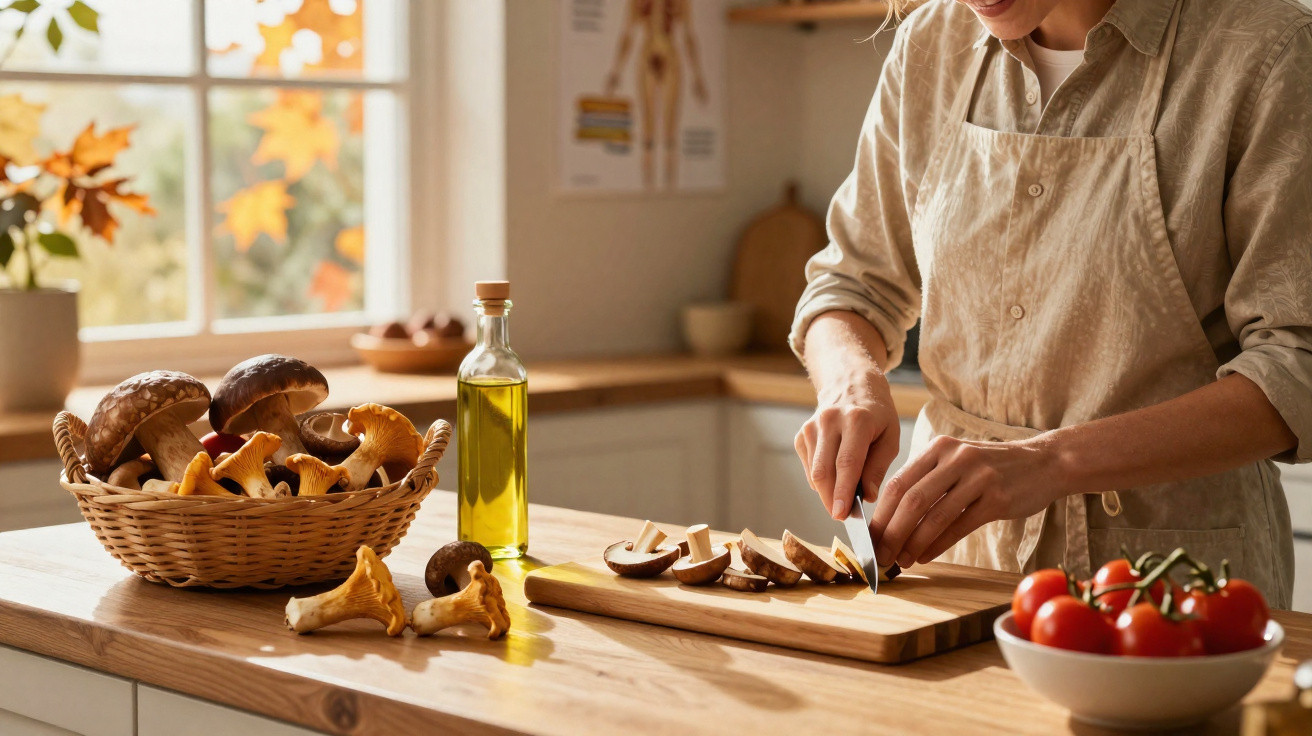
As the sun retreats, jackets get thicker and infections become more common. While many people turn to tea and vitamin tablets, one genuine natural talent is often overlooked: mushrooms. In autumn especially, they can make a valuable contribution to a stronger immune system and healthier bones, thanks to an extra dose of vitamin D.
Why mushrooms become so important in autumn
Vitamin D is known as the “sunshine vitamin”. The body usually produces it through the skin when it is exposed to sunlight. During autumn and winter, however, sunlight in the UK is often no longer strong enough for this purpose. As a result, many people slip into deficiency without noticing.
“People who get little sunlight can cover part of their vitamin D requirement through mushrooms on their plate.”
Put simply, mushrooms have something comparable to the pigment in our skin. When exposed to sunlight or UV light, they produce vitamin D, which is then available to us when we eat them. That makes them one of autumn’s most interesting foods.
These mushroom varieties provide particularly high levels of vitamin D
Not all mushrooms automatically contain the same amount of vitamin D. Some varieties stand out clearly, particularly when they have been deliberately exposed to light.
- Chanterelles
- Morels
- Shiitake mushrooms
- Button mushrooms, especially UV-treated varieties
Even one portion of these types can provide a noticeable share of the daily requirement. This is a real advantage for people who spend much of the day in an office or only go outdoors briefly during winter.
Vitamin D compared: mushrooms versus classics such as salmon and eggs
How do mushrooms measure up against other sources of vitamin D? A look at common foods shows why they deserve to be taken seriously:
| Food | Vitamin D (IU per portion) |
|---|---|
| UV-treated mushrooms | 400–800 |
| Salmon | 570 |
| Egg yolk | 40 |
| Fortified milk | 120 |
For people following a vegetarian or flexitarian diet in particular, mushrooms are therefore one of the few significant sources of vitamin D that do not require animal products.
A strong immune system and healthy bones: what vitamin D really does
Vitamin D has long been more than simply a “bone vitamin”. It has several functions within the body.
- Bones and teeth: It helps the body absorb calcium from the gut and incorporate it into bones.
- Immune system: It supports defence cells that identify and fight pathogens.
- Muscles: It contributes to muscle strength and coordination, which is important for preventing falls.
Vitamin D levels are especially important in autumn, when respiratory infections are circulating and many people feel tired and lacking in energy.
More than vitamin D: what else mushrooms can offer
Mushrooms are compact nutrient packages. They provide fibre, plant protein and a broad range of vitamins and minerals, while containing very few calories.
“Mushrooms are light, filling and nutrient-rich – a rare combination that is particularly welcome in calorie-heavy autumn cooking.”
Their vitamin B3 content, also known as niacin, is particularly noteworthy. This vitamin supports important processes in the body:
- reduces feelings of tiredness
- supports certain immune functions
- contributes to normal energy metabolism
- plays a role in cardiovascular health
They also contain plant compounds and mushroom compounds that studies have repeatedly linked with positive effects on blood sugar, cholesterol and inflammatory processes.
Mushrooms in Mediterranean cooking: more than a side dish
Mushrooms appear regularly in the much-praised Mediterranean way of eating, including in pasta sauces, vegetable skillets and baked dishes. This dietary approach places strong emphasis on plant foods, olive oil, fish and small amounts of processed meat.
Mushrooms fit this concept perfectly: they add flavour, bulk and nutrients without making meals heavy. This combination is particularly beneficial for anyone who needs to watch their blood fats, blood sugar and weight as they get older.
Why mushrooms can often replace meat
Many people already use mushrooms as a “meat alternative” because they offer a similarly firm bite and a robust flavour. They work especially well as:
- Portobello mushrooms used as a burger patty
- thickly sliced king oyster mushrooms cooked in a pan
- button mushrooms in Bolognese sauces
Less meat and more mushrooms often lowers the calorie and fat content of a dish without reducing enjoyment.
How to add mushrooms cleverly to your autumn meal plan
From September onwards, mushrooms become increasingly common on supermarket shelves, at farmers’ markets and in woodland. Anyone who enjoys foraging must consult an expert, as misidentification can be life-threatening.
“Only eat mushrooms that have been identified beyond doubt – if in doubt, always leave them alone or seek mushroom identification advice.”
In the kitchen, they are far more straightforward. Here are a few everyday ideas:
- Creamy mushroom soup: with onions, a little garlic, stock, and cream or a plant-based alternative.
- Autumn risotto: with mushrooms, white wine, Parmesan and fresh parsley.
- Stuffed mushroom caps: filled with cream cheese, herbs and nuts, then baked in the oven.
- Mushroom and spinach skillet: as a side dish or a light evening meal.
If vitamin D is your priority, look in shops for mushrooms treated with UV light. Some producers state this clearly on the packaging.
Healthy, but not unlimited: what to consider with mushrooms
Mushrooms are not a miracle cure, but one part of a larger health puzzle. A few points should be kept in mind:
- Always cook mushrooms thoroughly to avoid digestive discomfort.
- Use shop-bought mushrooms promptly, as they spoil easily.
- Eat wild mushrooms only in small quantities and not every day, as they can accumulate environmental contaminants.
Anyone with a confirmed severe vitamin D deficiency should also discuss with their doctor whether a supplement would be appropriate. Mushrooms can provide support in this case, but they do not replace targeted treatment.
Practical tips: getting more vitamin D from mushrooms
Research points to an interesting trick: before cooking, place fresh mushrooms on a windowsill for 30–60 minutes with their cut sides facing upwards. This allows them to take in a little more light and form additional vitamin D precursors. The effect is not huge, but it is measurable.
People who eat mushrooms more often can spread them strategically across the week, for example:
- Monday: a mushroom skillet as a side dish at lunch
- Wednesday: creamy mushroom soup in the evening
- Friday: pasta with a creamy mushroom sauce
- Sunday: roasted vegetables with mushrooms and feta
This keeps the meal plan varied while ensuring that the vitamin D source appears regularly without becoming boring.
Autumn is mushroom season – and an opportunity for your health
Every plate of mushrooms offers more than flavour: vitamin D supports your bones, niacin helps combat tiredness, and fibre benefits digestion. At a time of year when many people struggle with colds, low energy and a lack of daylight, this food becomes a quiet ally.
Anyone now feeling curious can deliberately add a punnet of mushrooms to their next shop, whether for soup, a baking tray meal or a skillet. This can make the darker part of the year considerably easier to manage, both in culinary and health terms.






Comments
No comments yet. Be the first to comment!
Leave a Comment