

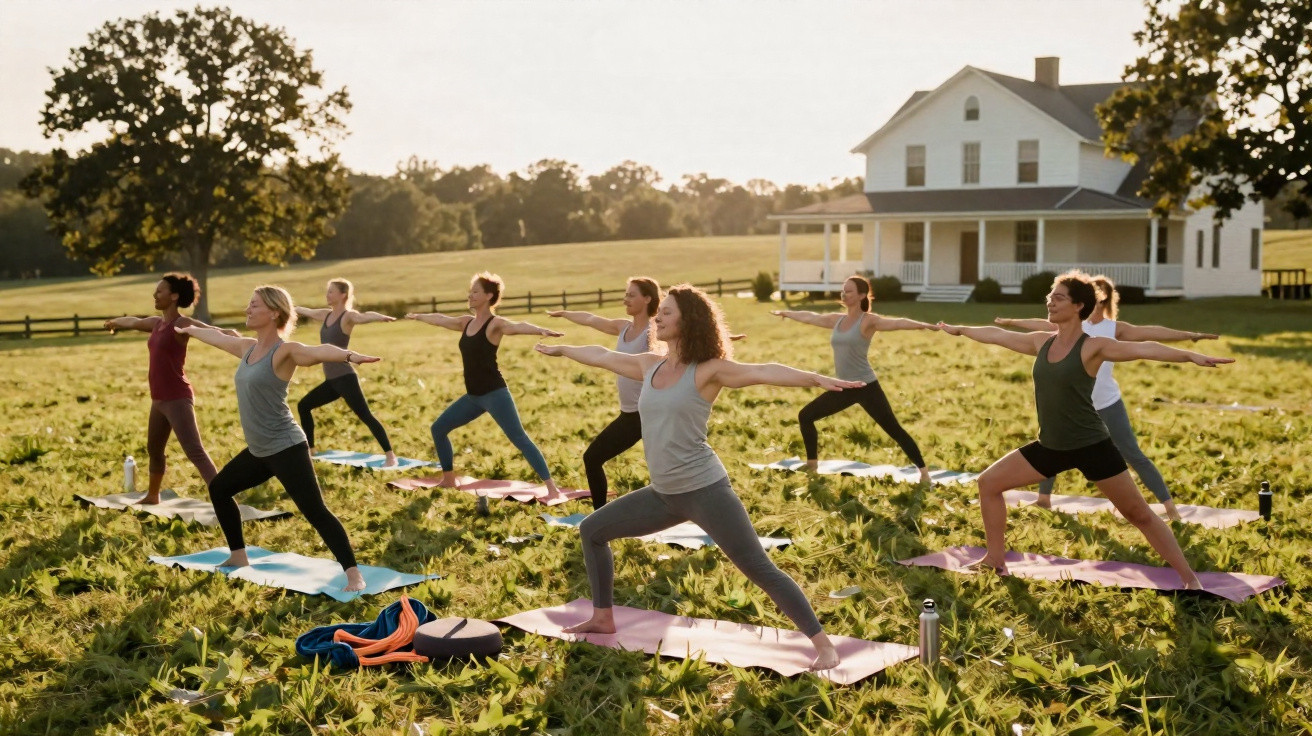
The woman in the yoga class seemed steady and powerful-until her phone screen flashed.
A single message changed her expression. Her shoulders drew tight and, as she moved into tree pose, her ankle began shaking uncontrollably. She fell out of the position with an uneasy laugh, blaming the mat, her footwear and the length of the day.
Yet it was clear what had happened: the fall had started well before her foot moved.
We tend to assume balance comes down to strength and reflexes: suitable shoes, good posture and some core training.
But a sudden row, a frightening email from your manager or a break-up message can make your entire body sway from within.
When pressure accumulates, something fundamental changes. The body then reveals the truth without making a sound.
When your mind tilts, your body follows
Observe people leaving a tense meeting and the subtle signs become apparent: shorter strides, rigid necks and an odd reluctance when they turn or descend stairs, as though the ground has shifted by half a centimetre.
Stress is not always expressed through crying or yelling.
At times, it appears in the way a person waits at a bus stop: their weight fixed to one leg, shoulders faintly rotated and eyes focused on nothing in particular.
Balance is more than staying upright. It is how the entire body works with gravity when the heart is racing for reasons entirely unrelated to exercise.
In a quiet laboratory study, researchers carried out a straightforward experiment. They had participants stand still on a force plate before introducing emotional pressure through timed tasks, severe feedback and social evaluation.
What happened? Their centre of pressure started to drift. Small body movements became greater-particularly forwards and backwards-as if the body were preparing to flee or protect itself from a blow.
Occupational therapists often describe the same pattern. A fall on the stairs, a bathroom slip or a stumble from the kerb frequently occurs on “a bad day”, following an argument or fright.
The nervous system is occupied with managing emotional emergencies, leaving balance as a secondary concern.
When we sense social or emotional threat, the brain switches into survival mode. Heart rate rises, breathing moves higher into the chest and the muscles of the jaw and neck stiffen like protective armour.
That brain is also responsible for our postural reflexes. When emotional systems are working at full intensity, there is less capacity available for the delicate adjustments that maintain balance.
The inner ear continues sending information, the eyes still follow the horizon and the feet still sense the surface beneath them. However, the brain’s reading of those signals changes: bodily tension affects the information joints provide, the speed of our reactions and how far we feel able to lean.
Emotional pressure doesn’t just live in the mind; it literally rewrites how safe “upright” feels for a moment.
When life feels like a tightrope walk, the body begins to move as though it is balancing on one.
Practical ways to steady yourself under pressure
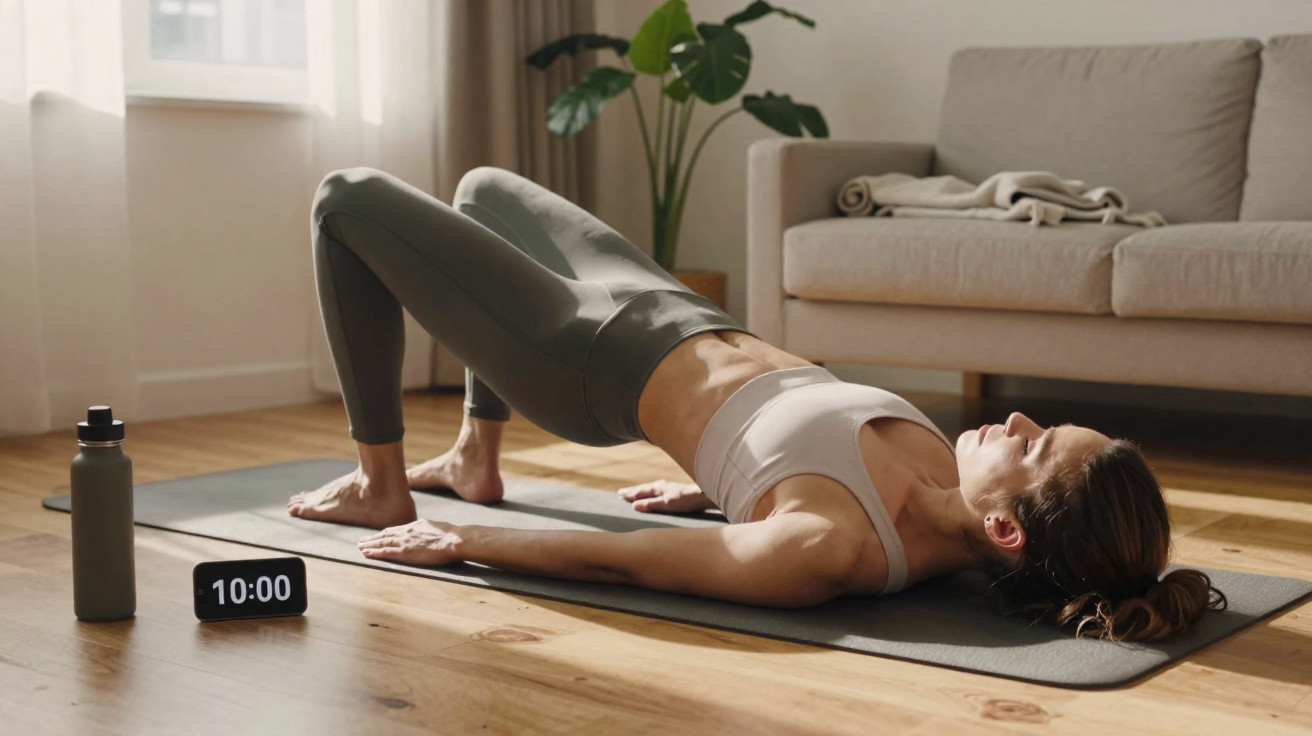
A simple technique for reconnecting physical and emotional balance takes under a minute. Stand barefoot with your feet hip-width apart, then softly bend your knees as if beginning to sit down and pause halfway.
Notice your weight settling through the centre of your feet-not in your heels or toes, but in that soft middle area.
Next, exhale slowly for longer than you inhale. As you breathe out, allow your shoulders to lower slightly, as though you were placing a heavy coat onto a hook.
Repeat this three times before an exam, a difficult telephone call or a challenging conversation. In doing so, you are quietly signalling to your nervous system: we are here, we are grounded and the floor remains beneath us.
Most people deal with emotional pressure by disconnecting from their body. They retreat into thoughts, screens and tasks-anything that prevents them from noticing the tightness in their chest.
As a result, they move more quickly. They get up abruptly, whirl around the kitchen, carry too many items at once or scroll while walking.
This is where minor mishaps occur: a knocked shoulder, a stubbed toe or an almost-fall on the stairs. Realistically, nobody will manage this perfectly every day, but taking three slow breaths before changing position could prevent many of these incidents.
One gentle principle can help: when feelings intensify, make movements smaller. Turn slowly, step carefully and hold only one task at a time.
This is not weakness; it is bodily intelligence.
Strong emotions are not the enemy of balance; ignoring them is. When you give your feelings five seconds of honest space, your body doesn’t have to shout through tremors, dizziness, or clumsy steps.
- Feel your feet first
Stand still and pay attention to your toes, arches and heels. Give them a tiny wiggle. This helps anchor you in the present. - Match breath to movement
While exhaling, gently transfer your weight from side to side or forwards and backwards, like a slow pendulum. It settles both the mind and balance. - Use “pause points” in your day
Let doorways, lifts and toilet breaks serve as prompts: take one long exhale, loosen your jaw and soften your knees. - Protect your sleep window
Emotional pressure combined with lack of sleep damages postural control. Even a 20-minute rest during the day can restore some of it. - Talk while standing, not pacing
During difficult calls, keep your feet planted. Pacing when under pressure can heighten agitation and make balance less steady.
Living with a body that tells on your emotions
Once the connection between emotional pressure and physical balance becomes visible, it is hard to overlook. You notice the tremor in a parent’s hand after bad news, or how a teenager leans too far back in their chair during an argument.
You also begin to spot your own signs: an extra stumble on days when anxiety is quietly buzzing, bumping into doorframes after reading a difficult message or that peculiar floating sensation when the week has simply been overwhelming.
This is not about turning into a statue obsessed with posture. It is about understanding swaying, slipping, tension and dizziness as quiet messages rather than meaningless faults.
On some days, the emotional burden will be substantial and your balance may be slightly unsettled. The answer is not to battle your body for “perfect control”, but to bring it into the conversation.
You might ask yourself: how near am I to my limit if simply standing in a queue feels unsteady? Was that stumble on the rug caused by clumsiness, or by walking away from an argument while my mind was still burning?
It can help to share this with other people. Once you say, “I’ve noticed I trip more when I’m stressed,” somebody else may respond, “I get dizzy every time my boss calls me.”
The more openly we discuss this, the less shame we attach to our bodies’ reactions.
The nervous system is a single continuous river, with thoughts, emotions, muscles and balance all moving through the same water. When emotional pressure makes that river fast and high, the small boats of coordination must work harder to remain upright.
Stress cannot be removed from modern life. What you can do is create small grounding rituals, recognise your early warning signs and offer your body a little more compassion when it “overreacts”.
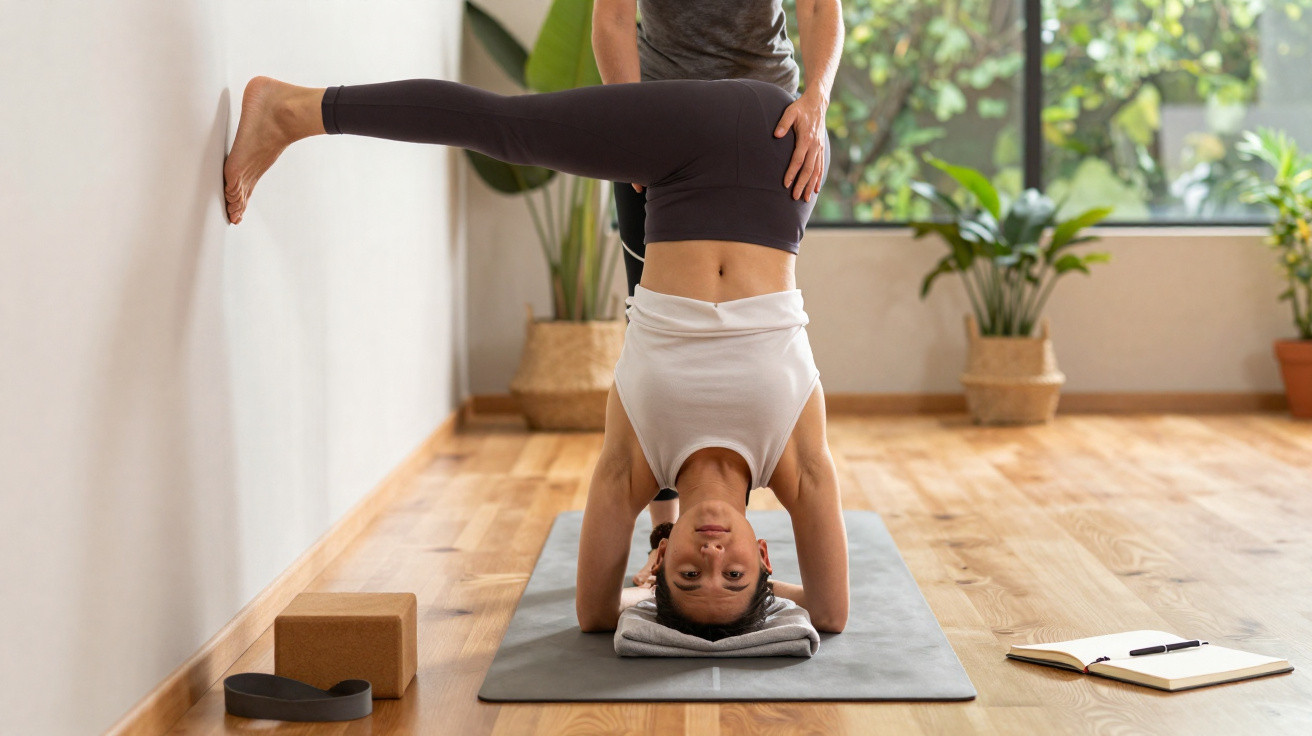
A slight sway in a supermarket aisle, an unsuccessful yoga pose or a misstep on the pavement might be your internal barometer making itself heard. If you treated every small loss of balance as information, what might it reveal about the unseen load you are carrying today?
| Key point | Detail | Value for the reader |
|---|---|---|
| Emotional pressure changes posture and reflexes | Stress overwhelms the nervous system, limiting the fine control required for stable standing and walking | Helps explain why you may feel clumsier or more dizzy on “heavy” days |
| Small grounding rituals settle both the mind and balance | Straightforward practices, including feeling your feet, keeping knees soft and taking long exhales, restore body-brain communication | Provides quick, realistic techniques for use before calls, meetings or conflicts |
| Body signals may act as early warnings | Increased stumbles, tension or swaying can often emerge before complete burnout or breakdown | Offers a way to identify and address overload earlier, rather than after a crash |
FAQ:
- Does anxiety really affect physical balance?
Yes. Anxiety alters breathing, muscle tone and attention, all of which contribute to your balance system. People with high anxiety frequently show greater body sway and feel less stable, even where medical tests appear normal.- Why do I feel dizzy when I’m under pressure?
Stress may increase heart rate, tighten neck muscles and alter breathing. These shifts change blood flow and the messages received from your inner ear and eyes, which the brain may interpret as dizziness or floating.- Can working on balance reduce emotional stress?
Gentle balance exercises, such as standing on one leg or turning slowly, require the brain to focus on the body. This can draw attention away from racing thoughts and send calming signals back through the nervous system.- Should I worry if I start tripping more during a stressful period?
It is worth noticing rather than panicking about. Speak to a doctor if falls are frequent or serious. If they are mainly small stumbles, treat them as a sign that your system is overloaded and needs rest, support or less multitasking.- Are there quick fixes before a stressful event?
Yes: stand with your feet hip-width apart, soften your knees, place one hand on your belly, breathe out slowly and feel your weight through the middle of your feet. Thirty seconds of this can make you feel steadier both internally and physically.

Comments
No comments yet. Be the first to comment!
Leave a Comment