
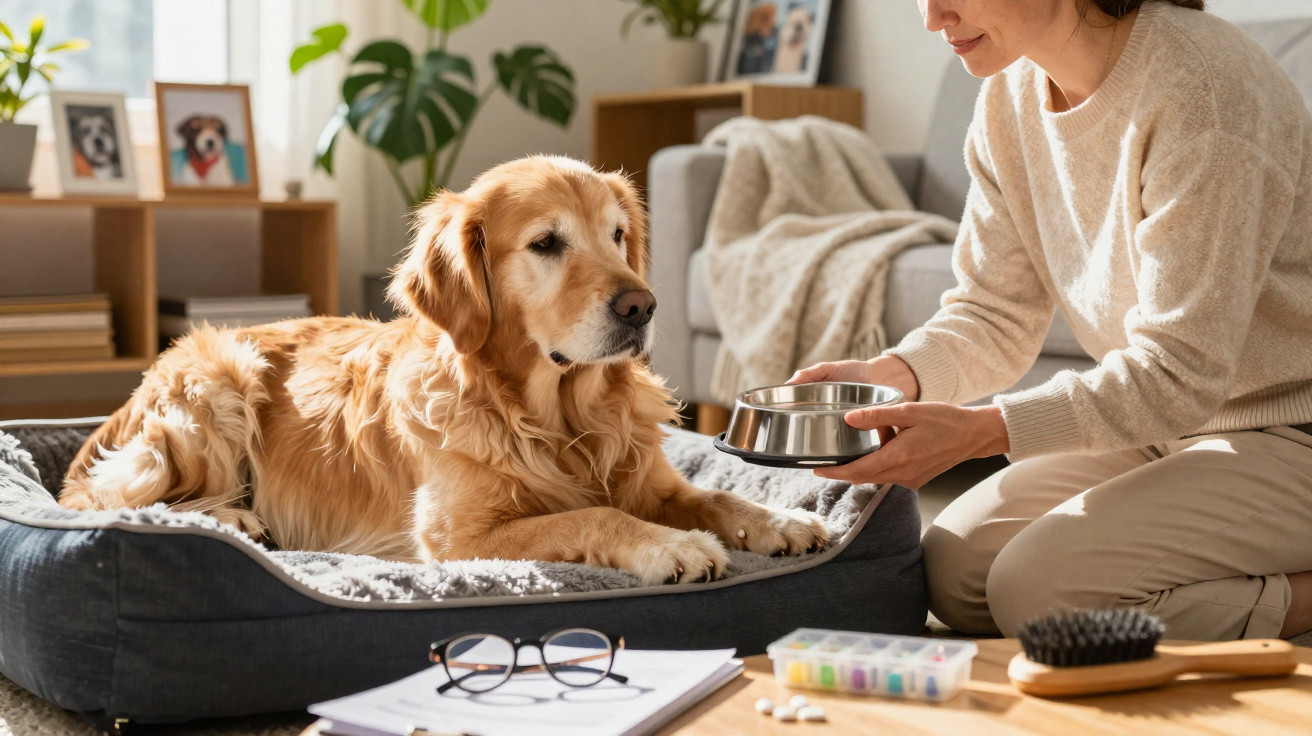
Many owners notice their pets slowing down over time, yet do not fully understand the ageing process. In Brazil, millions of dogs are already over eight years old and need special attention to keep their health on track.
How can you tell whether a dog has become elderly?
A dog’s life expectancy varies considerably and is directly linked to the size of each pet. Large dogs tend to live for around eleven years, while smaller dogs can reach greater levels of longevity with excellent quality of life.
By the age of twelve, a small dog may be considered genuinely elderly within the family routine. Understanding these age-related differences helps owners introduce important, essential changes to daily care, ensuring protection and plenty of affection.
Below are the main age-related changes according to the animal’s characteristics:
- Small breed: Has a longer life expectancy, potentially reaching fourteen years.
- Large breed: Ages more quickly, with an average lifespan of eleven years.
- ⏳ Senior stage: Begins at around eight years old for half of the dog population.
- National figures: It is estimated that there are more than thirty million elderly dogs.
- Monitoring: Physical changes require regular appointments with relevant professionals.
What are the physical signs of canine ageing?
As they get older, dogs often show clear signs of reduced physical pace and persistent tiredness throughout the day. Their eyes may begin to appear visibly cloudy, signalling the onset of serious eye conditions such as progressive cataracts, which affect vision.
Another highly noticeable change is the gradual loss of hearing, meaning the owner may need to speak much louder. The animal may also sleep for long periods, appear unmotivated and have significant difficulty climbing onto beds or sofas at home.
Learn more about changes to elderly animals’ routines by watching the full video available on the Hoje em Dia YouTube channel:
How does maintaining a routine help a senior dog?
A carefully maintained routine is vital, as changes in the environment can make a senior dog extremely irritable and stressed. Without day-to-day predictability, animals may display grumpy behaviour directly caused by the spatial disorientation that the loss of senses can cause.
Organising the home
Do not move furniture around
Avoiding the relocation of household items helps blind dogs move around in complete safety.
Keeping feeding bowls and furniture in the same places prevents accidents and dramatically reduces the pet’s stress.
Leaving household objects in their original positions prevents painful head bumps and injuries in animals that have completely lost their sight. This allows them to walk calmly, using their excellent spatial memory of the home while maintaining the necessary psychological stability.
Here are some essential recommendations for organising an elderly dog’s routine:
- Keep food bowls in the same fixed places at all times.
- Strictly follow established rest and sleeping times.
- Avoid long journeys or drastic changes within the home environment.
Which chronic illnesses commonly appear in old age?
Joint pain is a serious and very common problem, affecting elderly dogs’ mobility during normal daily activities. Significant conditions such as osteoarthritis cause considerable discomfort, but it can be eased through targeted treatments, including regular acupuncture.
Diabetes also demands close attention, with precise dietary control to prevent serious hypoglycaemic episodes or dangerous spikes in blood glucose. A balanced combination of specific dog food and suitable vegetables supplies the necessary nutrients while managing this complex health condition.
See the main medical care requirements associated with illnesses in old age:
- Correct administration of pain-relieving medication under professional guidance.
- Regular weighing of the animal to monitor sudden weight loss.
- Individually tailored vitamin supplementation prescribed by a specialist.
How can you provide quality of life during the senior stage?
Small adjustments around the home can deliver substantial physical comfort, easing discomfort in joints worn down over time. Providing heavily padded beds and keeping the environment completely quiet are key measures that ensure ideal rest and increase the longevity of your beloved companion.
Raising water and food bowls reduces neck pain and makes daily eating and drinking easier. It is essential to understand clearly at what age a dog is considered old so that effective preventive monitoring with a vet can begin.




Comments
No comments yet. Be the first to comment!
Leave a Comment