
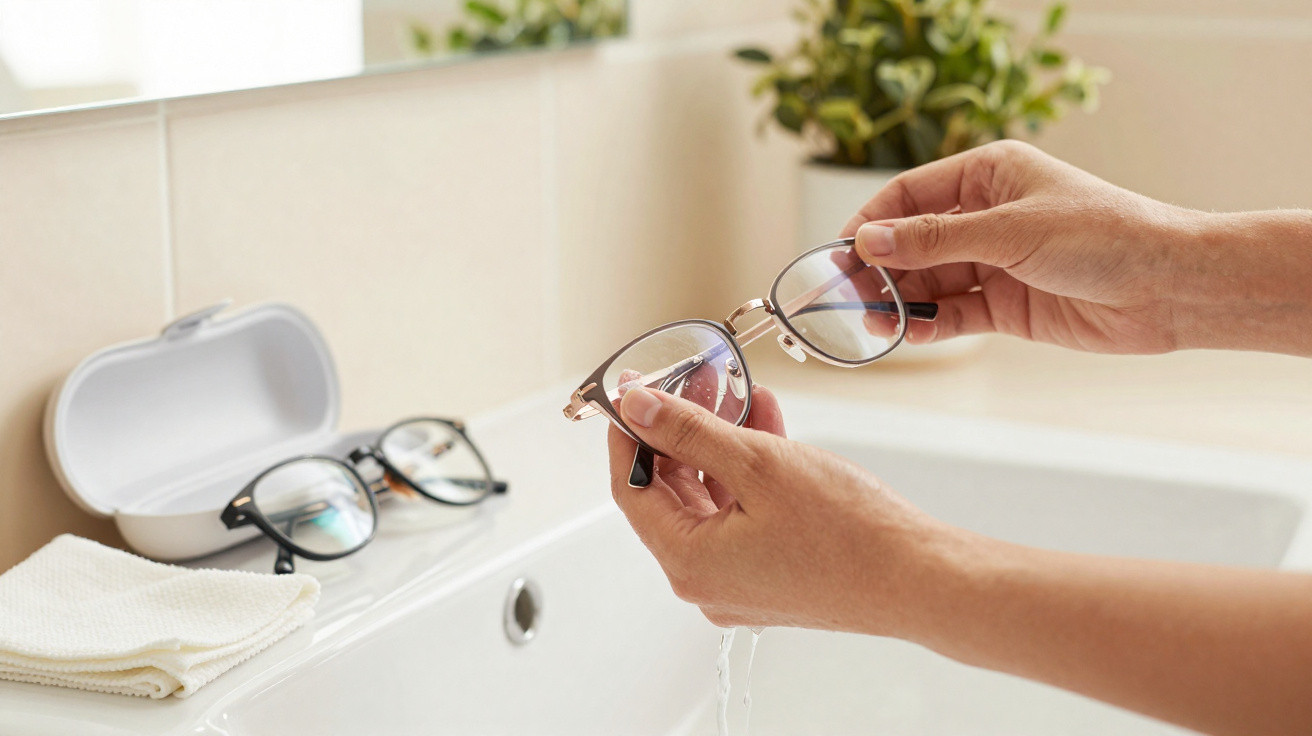
From pocket tissues to the cuff of a jumper, a quick wipe can leave micro-scratches and oily rings behind. According to opticians, the route to genuinely clear lenses is far less elaborate, costs virtually nothing and begins with changing three or four small routines.
Why your lenses get dirty faster than you think
Urban pollution, natural skin oils, make-up, perspiration, fingerprints and even styling products settle on lenses throughout the day. Individually, these fine layers may seem insignificant, yet together they reduce contrast and scatter light. As a result, driving after dark, working at a screen and sitting through lengthy meetings can become more exhausting as your eyes continually try to adjust.
Today’s lenses often have sensitive coatings, including anti-reflective, blue-light control, hydrophobic and anti-fog layers. Grime forces these coatings to work less effectively, while poor cleaning methods can slowly harm them. Opticians increasingly see the same issue: people replace spectacles not because their prescription has changed, but because the lens surface has become dull and hazy.
Dirty lenses do not just look messy. They reduce visual comfort, lower contrast, and can trigger eye strain or mild headaches.
For most people, washing their glasses properly once each day can make a significant difference. At other times, the priority is straightforward: do not use anything that scratches, overheats or breaks down the fine layers that help your lenses work properly.
The common habit that quietly scratches lenses
It is a familiar routine: you spot a mark, breathe onto the lens and rub it using the nearest material. A shirt, scarf, paper tissue or napkin all seem to do the job because the smear vanishes. The harm, however, occurs on a level that is not immediately visible.
Textile fibres can trap dust, grit and tiny metal fragments, which behave like exceptionally fine sandpaper. When used on a dry lens, the material pulls these particles over its surface. Initially, the lens may still appear transparent. After months of this treatment, though, micro-scratches build up, coatings become less glossy and halos start appearing around lights.
A microfibre cloth may also create problems if it is left unwashed in a handbag or car. It picks up make-up, skin oils and roadside dust. Using it “just once more” can spread grease, push grit against the lens and create the cloudy appearance often attributed to “old glasses”.
The optician-approved method: water, soap, and almost no effort
In opticians’ practices across the UK, the US and Europe, professionals repeatedly give the same advice: a sink and one small drop of mild soap provide the best lens cleaner. There is no need for costly sprays or specialist gadgets. This brief process looks after both the lenses and the frame.
1. Start with a rinse to remove grit
Place your glasses beneath a gentle flow of lukewarm water. This simple action removes dust, sand and other dry debris. If you skip it, every wipe effectively becomes a micro-polishing treatment for your coatings.
Do not use hot water. It may distort certain plastic frames and put strain on multi-layer coatings. Lukewarm water cleans effectively without creating that risk.
2. Add a tiny drop of gentle soap
Choose fragrance-free, dye-free hand soap or an especially mild washing-up liquid. Put a small drop onto clean fingertips, then gently work it over both sides of the lenses, as well as the nose pads, bridge and temples.
Use slow movements, avoid firm pressure and clean every part of the frame that touches your skin. Make-up, sun cream and hair products commonly gather around the brow area and nose pads before transferring onto the lenses during the day.
The right amount of soap is smaller than you think. A light, even film foams enough to break down grease without leaving residue.
3. Rinse thoroughly until the lens squeaks
Rinse the glasses once more with lukewarm water, rotating the frame to clear each section. You need to wash away both the soap and the grease it has loosened. Continue rinsing for a little longer if small bubbles remain around the edges.
A thorough rinse leaves lenses that “squeak” gently between clean fingers. This sensation generally indicates that no film remains and that the lenses can dry without streaking.
4. Dry gently with no friction
Shake away surplus water before dabbing the lenses with a very soft, clean cotton cloth or freshly washed microfibre cloth. Aim to “blot” rather than “rub”. Dragging or pressing a cloth across the lens can recreate precisely the issue you were trying to prevent.
When no clean cloth is available, allow the glasses to dry naturally on a secure surface with the lenses facing upwards and away from heat. After they have dried, a light final pass with clean microfibre can lift off any remaining tiny droplets.
Habits that quietly shorten the life of your glasses
Certain convenient shortcuts seem harmless at the time, but can cause genuine cumulative damage. Opticians regularly identify the following repeat offenders:
- Dry-wiping lenses with tissues, napkins or toilet paper
- Applying household cleaners, alcohol wipes, vinegar or window spray
- Leaving glasses on a car dashboard in direct sunshine
- Washing them under very hot tap water
- Dropping unprotected glasses into a bag containing keys and coins
Paper items frequently include wood fibres and additives that can mark coatings and leave faint scratches. All-purpose sprays and alcohol-based wipes may remove or haze anti-reflective layers. Heat accelerates these problems, particularly inside a car, where temperatures rise rapidly.
If a product is made for windows, kitchens, or bathrooms, it should not go anywhere near prescription lenses.
Your frame needs care just as much as your lenses
Cleaning the lenses but neglecting the frame sets up an ongoing cycle of re-contamination. Oils on the nose pads and temples gradually move back onto the glass. A few days later, smudges are back and people may conclude that the lens “attracts” dirt.
A complete wash should cover:
| Part of the glasses | What builds up | Why it matters |
|---|---|---|
| Nose pads | Sweat, sebum, make-up | Causes slipping, red marks and more smears on the inner lens |
| Bridge and rims | Dust, face cream, pollution | Holds grit that may scratch lenses around the edges |
| Temples and ear tips | Hair products, skin oil | Makes frames slip, feel tacky and soil fabrics |
At your next appointment, request a quick adjustment: most opticians can tighten screws, realign the frame and place your glasses in an ultrasonic bath. This sonic process releases dirt lodged in hinges and beneath nose pads, which are areas that are very difficult to clean at home.
How often should you actually clean your glasses?
For people who wear glasses from morning to night, an evening wash can become as routine as brushing their teeth: clear away the day and prepare for tomorrow. Usually, one thorough clean each day is enough to keep lenses transparent and their coatings in good condition.
A few circumstances require additional attention:
- After exercise or a run, once sweat has dried onto the frame
- After cooking, particularly around oil or steam
- After cycling or walking beside busy roads
- After working somewhere dusty or sandy
Between full washes, a minor mark is not a reason to rub a lens dry. A brief lukewarm rinse followed by gentle blotting will often resolve it without adding scratches. Where water is unavailable, use a single-use lens wipe made for coated lenses, then give your glasses a proper clean later at home.
Microfibres and sprays: what actually helps, what just looks helpful
Microfibre cloths are useful only if they are truly clean. Launder them regularly in hot water with a simple detergent, avoid fabric conditioner and leave them to air-dry. Replace a cloth when it feels waxy, produces streaks or no longer “grabs” dust.
Lens sprays and pre-moistened wipes are most helpful as travel options or fast fixes at work. Even so, they are not a substitute for a daily soap-and-water wash. Since some sprays contain solvents or high levels of alcohol that can strip coatings sooner than expected, it is important to check the label.
Think of sprays and wipes as emergency tools. The sink at home remains the main cleaning station for long-term lens health.
Better cleaning, safer vision
Clean lenses can improve confidence when driving at night, particularly in rain or with oncoming headlights. They also assist with judging depth on stairs, reading screens and cycling through traffic. When reflections and smears are not competing for attention, your brain receives clearer, calmer visual information.
There is a financial benefit as well. Modern varifocals, bespoke office lenses and high-index options for strong prescriptions are substantial investments. Extending their usable life by even a single year through gentle cleaning and sensible storage can make a modest but meaningful difference to a household budget.
The same principle applies to anyone alternating between glasses and contact lenses, or indeed anything placed in front of the eye: take care around aggressive chemicals, abrupt heat and rough materials. Routine inspections of screws, nose pads and coatings can identify problems early, well before replacing the entire pair feels necessary.
Finally, consider the occasions when reliable vision is essential: motorway journeys at night, using power tools in the shed, cycling in winter fog or watching children near water. In these situations, clean, scratch-free lenses provide a straightforward extra measure of risk reduction. A two-minute wash before you leave home delivers sharper detail, steadier depth perception and one fewer distraction when your attention is needed elsewhere.





Comments
No comments yet. Be the first to comment!
Leave a Comment