
You cleanse, moisturise and hope for the best. Yet the blackheads still come back with predictable regularity.
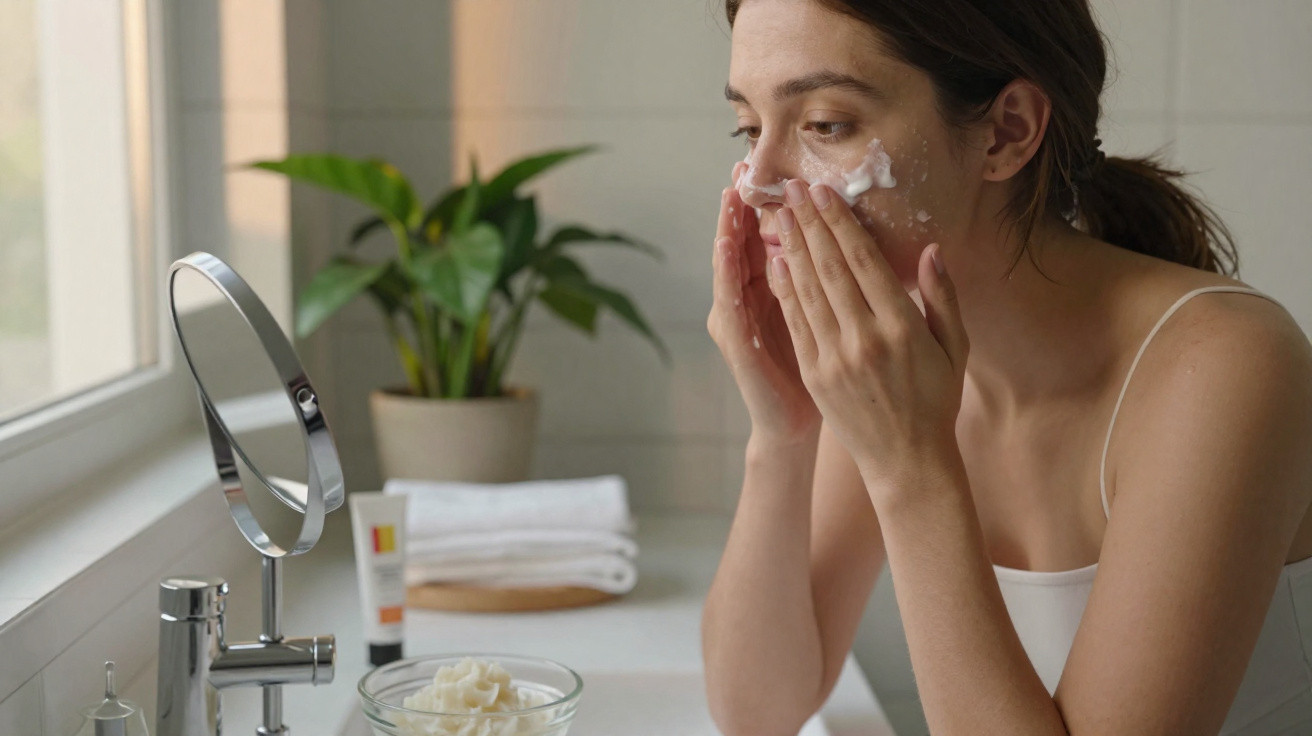
It began during the morning scramble, in a bathroom whose mirror was misted coolly at the edges. I saw a young woman touch the tip of her nose with a finger before letting out a sigh. She had used exfoliating scrubs, pore strips and even the strong toner a friend had recommended. Her skin did not look unclean; it looked fatigued, slightly congested and a little overloaded. What she needed was not greater force, but less of it: an approach so mild it was almost easy to overlook. She asked why blackheads continued to form when she cleansed twice daily. I said I would put the question to a dermatologist I trust. The response was unexpectedly relatable - and remarkably straightforward.
Why blackheads return - and why a gentle approach works
Blackheads are not simply dirt. They are small buildups of oil and dead skin cells inside pores that have contact with the air. Their exposed surface oxidises and turns dark, creating their black appearance. Vigorous scrubbing irritates the skin’s surface rather than removing the blockage beneath it. The plug remains, while irritated skin can produce extra oil in response. Over several quiet weeks, that is how the cycle becomes more entrenched.
Board-certified dermatologist Dr. Alina Reyes encounters this every day in clinic. One teenager brings in a gritty scrub, a runner arrives after using pore strips, and a parent says softly, “We tried everything.” The pattern is familiar: redness around the nostrils, cheeks that feel tight and a dotted T-zone. Aggressive products can deliver an immediate sensation of being “clean”, only for blackheads to reappear days later. It’s not a willpower problem-it’s a strategy problem.
The explanation is simple. The lining of a pore consists of keratinocytes, which naturally shed over time. If this shedding slows down or oil becomes thicker, the material can compact within the pore. Mild chemical exfoliation helps restore a healthier shedding pattern. Salicylic acid, a BHA, can enter oily pores and break down this mixture. Gentle AHAs, including lactic acid, clear surface buildup while supporting hydration. PHAs are gentler still, making them suitable for reactive skin. There is no need for drama, only consistent cell turnover. This helps reduce plugs and keeps them away for longer.
Gentle exfoliation for blackheads: what dermatologists recommend
Dr. Reyes suggests treating it as a small, manageable routine. Cleanse with a mild product in the evening, gently pat skin dry, then smooth a pea-sized amount of BHA gel or liquid across the T-zone. Begin with two or three evenings a week. On nights without exfoliation, use an uncomplicated moisturiser. In the morning, rinse, moisturise and apply sunscreen. This low-key pattern can help pores clear without overwhelming your face. The changes are small, but they add up when repeated.
The usual mistakes soon become obvious. Too much exfoliation - such as daily peels or scrubbing on top of acid - can cause flaking and stinging. Combining numerous active ingredients at once adds further risk. Scrubbing firmly with a flannel may compromise the skin barrier and trigger more oil production. A light tingle on the nose for a minute can be normal, but burning or peeling means you should reduce use. Let’s be honest: nobody really does that every day. Choose a frequency that fits your life, then stick with it.
Treat it as fitness training for your pores: gradual, reliable progress is more useful than an intense weekend effort. If your skin is reactive, begin even more gently with lactic acid or a PHA toner twice a week, then review how your skin feels after two weeks.
“Blackheads don’t need punishment,” says Dr. Reyes. “They need a path out-through the pore, not over the surface.”
- Start with BHA on the T-zone 2 nights/week.
- Use a simple, fragrance-free moisturiser on alternate nights.
- Before applying it fully, patch test along the jawline for 24 hours.
- Skip exfoliation on evenings when you shave or apply retinoids.
- Consult a professional first if you have cystic acne, rosacea or eczema.
The science behind gentle exfoliation
Because salicylic acid is oil-soluble, it can travel with sebum into the pore and help release compressed debris. Lactic acid has a larger molecule, meaning it works mainly at the skin’s surface while increasing water-binding in the stratum corneum. PHAs, such as gluconolactone, have even larger molecules and work more gradually, with humectant benefits built in. All of them encourage cell turnover, so plugs are less likely to form again as quickly.
There is an additional benefit to taking the milder route: maintaining a healthy skin barrier. When acids are gentle and used with breaks between applications, the skin can retain its lipids. This consistency reduces the “panic” messages that prompt sebaceous glands to produce more oil. Redness eases, pores can appear smaller because their edges are smoother, and make-up applies more evenly. The win isn’t just fewer blackheads-it’s skin that behaves.
And pore vacuums or blackhead-squeezing videos? They may be compelling to watch, but they can also cause micro-tears and post-inflammatory marks. Professional extraction is different because it is clean, controlled and followed by soothing care. At home, focus on upkeep rather than trying to empty every pore at once. Patience may sound dull, until your nose no longer seems to be fighting back.
The subtle benefits of staying gentle
At first, you tend to spot the minor improvements. Foundation applies smoothly rather than catching around the nostrils. Midday shine becomes less noticeable. The area beside your lip stops flaking when you smile. Friends may not identify what has changed, but they may say you look “rested”. This is not magic; it is regular maintenance that works with the skin’s natural rhythm and allows pores to clear in their own time. Any blackheads left behind are easier to remove with a warm cleanse. Extreme measures are unnecessary.
| Key point | Detail | Why it matters to the reader |
|---|---|---|
| Gentle beats harsh | BHA/AHA/PHA used 2–3 nights weekly clear pores without causing inflammation | Fewer blackheads with less irritation |
| Consistency over force | Small, repeatable actions support healthy shedding | Results that last longer than one “deep clean” |
| Protect the barrier | Moisturiser and sunscreen keep exfoliation in balance | Smoother texture, less redness and better make-up wear |
FAQ:
- Will a salicylic acid cleanser be enough, or is a leave-on product necessary? A BHA cleanser can help, though it has limited contact time. A leave-on BHA used a few nights weekly addresses blackheads more effectively while you sleep.
- Can I exfoliate while I already use a retinoid? Yes, although you should alternate them. Apply your retinoid on some evenings and your exfoliant on others. Reduce the exfoliant first if you experience stinging or peeling.
- Can pore strips worsen blackheads? They may remove surface debris and vellus hairs, which can feel satisfying. However, congestion often remains in the pore lining, and regular use may irritate the skin.
- What acid percentage is suitably “gentle” for beginners? Choose salicylic acid at around 0.5–2%, lactic acid at around 5–10%, or PHA at around 5–10%. Begin at the lower end, increase slowly and adjust according to how calm your skin remains.
- When should I expect to see fewer blackheads? Many people find their pores look smoother within 10–14 days. More complete changes in rhythm commonly take 4–6 weeks, in line with the skin’s natural turnover.






Comments
No comments yet. Be the first to comment!
Leave a Comment