
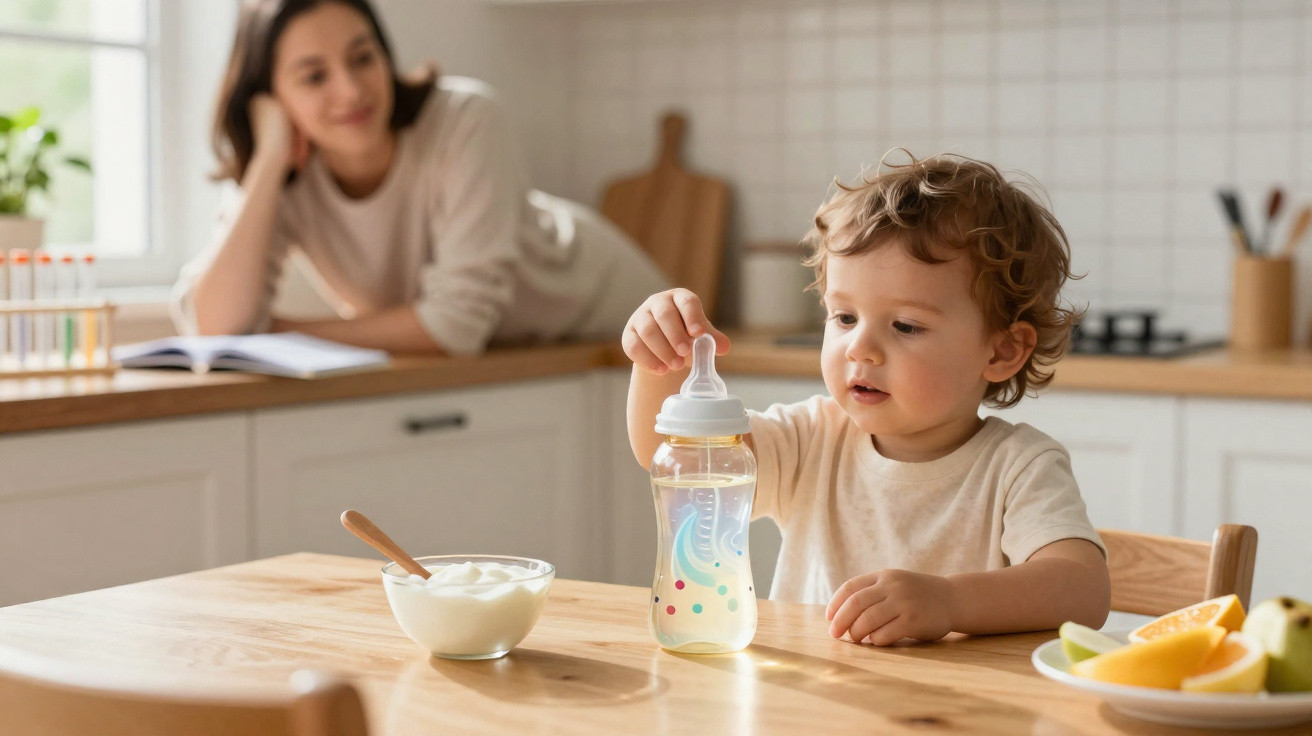
Danish researchers analysing long-term data from young children say they have identified a biological process in the gut that may quietly direct some immune systems away from allergies before any symptoms develop.
Allergies are increasing, yet some children are spared
Allergic illnesses have become almost commonplace during childhood. Eczema, asthma, food allergies and hay fever affect a substantial proportion of children across Europe and North America. The French research organisation Inserm estimates that almost one in three children has at least one allergic condition.
For years, this increase has puzzled clinicians. Genetics cannot account for the rise on their own, while possible environmental causes, including pollution, ultra-processed foods and predominantly indoor lifestyles, explain only part of it.
New work from Danish scientists now points directly to early gut bacteria and one particular molecule they produce as a powerful brake on allergy development.
Published in Nature Microbiology, the study tracked children from birth to five years old. It connects particular gut microbes, a small molecule known as 4-hydroxyphenyllactic acid (4‑OH‑PLA), and the process by which the immune system learns to remain calm rather than react excessively to harmless substances, including pollen and food proteins.
4‑OH‑PLA: the molecule that dampens allergy signals
The team, headed by Professor Susanne Brix Pedersen at DTU Bioengineering in Denmark, investigated how the infant gut microbiome influences immune function during the first months of life.
They discovered that certain bifidobacteria strains - common “friendly” bacteria in early life - generate 4‑OH‑PLA in babies’ intestines. The compound seems to have a direct effect on antibodies associated with allergies.
At concentrations typically found in the guts of healthy infants, 4‑OH‑PLA cut levels of IgE - the main allergy antibody - by about 60%, while leaving other protective antibodies untouched.
This distinction is important. Many allergy medicines work only after symptoms have begun and may suppress immune responses more widely. In this case, general protection against infections remains undisturbed, but the specific “allergy pathway” is reduced before it becomes uncontrolled.
Put simply, an infant with sufficient numbers of bacteria that produce 4‑OH‑PLA could be less prone to sensitisation - the early, unseen phase in which the body begins producing IgE against substances such as milk proteins, cat dander or tree pollen.
Following children from birth to age five
To confirm the association, the researchers followed 147 children from birth through to age five. They took stool samples to chart gut bacteria and the molecules those bacteria made, while repeatedly assessing immune markers connected with allergies.
What the researchers monitored
- The makeup of the gut microbiota in the first months and years of life
- Gut levels of metabolites including 4‑OH‑PLA
- Blood indicators of immune activity, including IgE
- Clinical symptoms or test results indicating allergic sensitisation
Children with high levels of particular bifidobacteria in their first months were significantly less likely to develop sensitisation at a later stage. Genetic examination of the stool samples enabled the researchers to connect specific bifidobacteria strains with 4‑OH‑PLA production and with more tolerant immune profiles.
The data link three pieces of the puzzle: which bacteria live in the baby’s gut, what they produce, and how the immune system behaves years later.
The findings reinforce the view that the first months are a crucial period in which microbes “train” the immune system, establishing allergy risk well before signs such as rashes or wheezing emerge.
Birth, feeding and early contact influence the gut microbiome
The researchers also looked at the early-life factors that promoted colonisation by these beneficial bifidobacteria. Within the Danish group of children, several clear patterns emerged.
Factors associated with protective bacteria
| Factor | Effect on bifidobacteria colonisation |
|---|---|
| Vaginal birth | Markedly higher odds of acquiring protective strains from the mother |
| Exclusive breastfeeding | Supports growth of infant-type bifidobacteria that use human milk sugars |
| Early contact with other children | Increases microbial exchange and diversity in the gut |
According to immunologist Rasmus Kaae Dehli, also of DTU, babies delivered vaginally were up to 14 times more likely to receive these particular bifidobacteria from their mothers than babies born by caesarean section.
Exclusive breastfeeding in the first months also nourished these microbes, because bifidobacteria are especially effective at using human milk oligosaccharides, the complex sugars in breast milk. Early exposure to siblings or other children likewise seemed to increase microbial diversity, which generally promotes a more balanced immune response.
A possible new approach to allergy prevention
The results come as these helpful bacteria appear to be declining in many Western populations. Caesarean births, shorter periods of breastfeeding or no breastfeeding, increasingly sterile surroundings and widespread antibiotic use all contribute.
The Danish researchers maintain that this reduction need not be irreversible. Their results indicate that the missing function could potentially be “restored”.
Targeted probiotics or infant formulas enriched with 4‑OH‑PLA-producing bifidobacteria - or with the metabolite itself - could one day lower allergy risk in babies identified as vulnerable.
These treatments are not yet available in supermarkets. However, early clinical trials are already under way in Denmark under the name Begin, testing whether providing specific bacteria or compounds during the first months can lower subsequent asthma and allergy diagnoses.
Should later results support the present findings, preventing paediatric allergies could become more routine. Rather than waiting for eczema flare-ups or episodes of wheezing, doctors may be able to promote gut colonisation and immune training from the very beginning of life.
What parents can and cannot do at present
The evidence is still developing, and no individual action can “guarantee” a child will be free from allergies. Nevertheless, several practical measures are consistent with both this research and current medical guidance.
- Discuss delivery options with your maternity care team, remembering that caesarean sections are life-saving when required.
- Breastfeed where possible, even if only for a few weeks, as breast milk has a strong influence on the infant microbiome.
- Permit ordinary, safe interaction with siblings and other children to encourage microbial exchange.
- Give antibiotics only when they are prescribed and necessary, to avoid major disruption to the developing microbiome.
Parents should take care when choosing arbitrary over-the-counter probiotics. Many contain strains that have not been studied for allergy prevention and may not produce 4‑OH‑PLA at all. The method highlighted by the Danish study depends specifically on certain infant-type bifidobacteria.
What is IgE, and why is it important?
For those without specialist knowledge, IgE may sound abstract. It is one of the several antibody classes made by the immune system. Whereas IgG helps to combat infections, IgE is closely associated with allergies.
When a person becomes sensitised, their body produces IgE against a harmless substance, such as peanuts or pollen. These IgE molecules bind to immune cells. When the person encounters that allergen again, the cells release histamine and other chemicals. This causes itching, swelling, sneezing, wheezing or, in severe situations, anaphylaxis.
By reducing IgE formation without touching other antibodies, 4‑OH‑PLA nudges the immune system toward tolerance while keeping defences against real pathogens intact.
This selective action is what interests many allergy specialists. Treatments focused only on IgE pathways could provide a more favourable safety profile than broad immune suppressants.
How the Danish research could reshape allergy care
Allergy care has traditionally concentrated on controlling symptoms, with inhalers, antihistamines, creams or desensitisation treatments once conditions are established. The Danish findings point towards a more preventative approach that begins even before birth.
Future care could bring together several elements: giving parents information on microbiome-friendly decisions during pregnancy and infancy; paediatricians applying risk scores based on family history and early gut profiles; and providing high-risk infants with precisely formulated probiotics containing bacteria shown to produce protective metabolites such as 4‑OH‑PLA.
Meanwhile, public health services would still have to tackle environmental factors including indoor air quality, pollution and smoking, all of which remain significant triggers for asthma and other respiratory symptoms.
For the moment, the message is a nuanced one: allergies are neither solely a matter of genetic destiny nor merely bad luck. Microscopic organisms during the first weeks of life, along with the molecules they release, appear to help determine which children later sneeze and wheeze - and which quietly avoid these conditions.




Comments
No comments yet. Be the first to comment!
Leave a Comment