
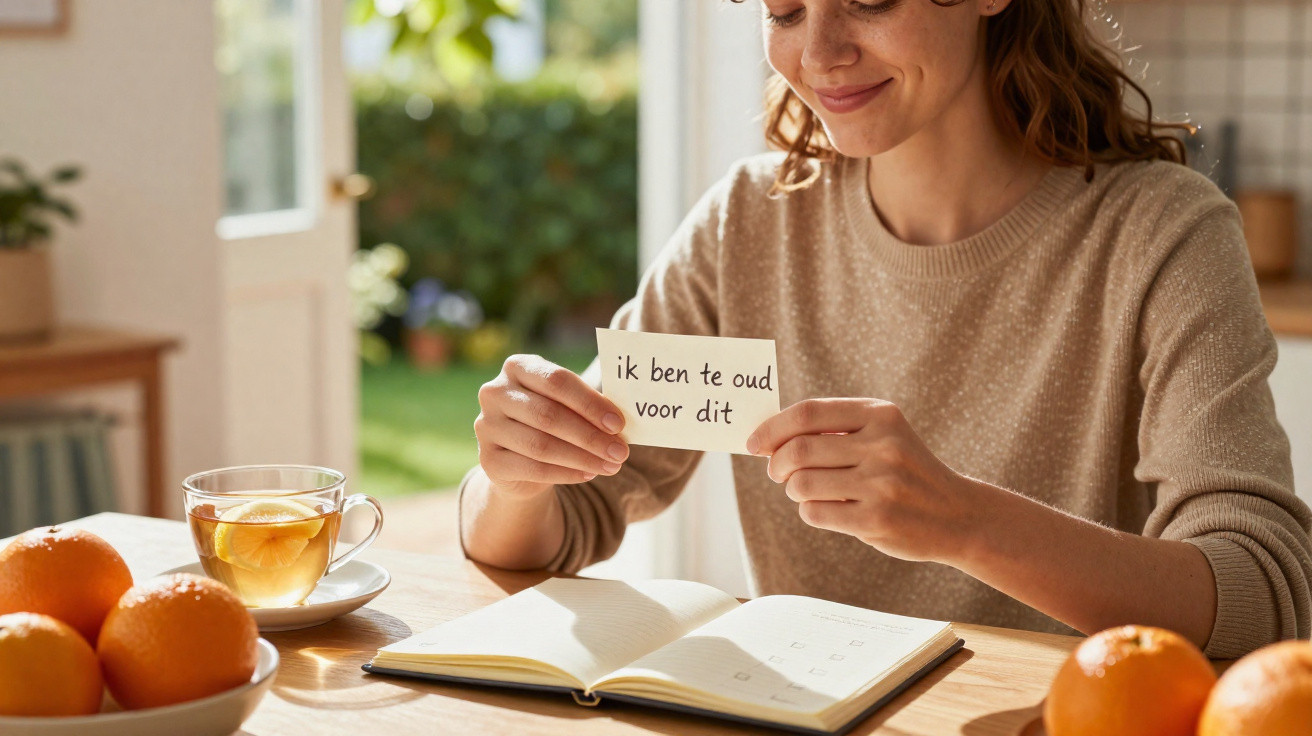
The woman in the café laughed as she said it, though her eyes still looked weary: “Nobody tells you that after 60, the hardest part isn’t your knees. It’s your head.”
Photos from her daughter, a fitness-app prompt and a news alert about longevity flashed up on her phone. She exhaled, muted them all, and looked through the window as though observing a life she had never decided to live.
At the table beside her, a retired teacher said he was “busier than ever”, before admitting that he could go an entire day without speaking face to face with anyone.
Different lives, the same decade, and the same unspoken question hanging in the air: was it meant to feel this way?
According to longevity experts, simply extending life is no longer the central challenge.
What matters is living better during those additional years.
That often begins with abandoning habits that gradually and quietly take away your enjoyment.
1. Allowing autopilot to control your days
Once you are over 60, familiar routines can offer reassurance, much like a path worn smooth by years of use.
You wake up to the same breakfast, sit in the same chair, watch the same television channel and take the same walk around the block.
Nothing is particularly bad, but very little feels especially alive either.
Gerontologists frequently see this same trend: people who say they feel “numb” are not always coping with a major tragedy.
Instead, they are repeating the same day.
A researcher at a California longevity clinic calls this “the quiet flattening of the day” - the gradual disappearance of novelty that causes time to merge and years to slip past.
Even after 60, the brain wants to learn and be surprised.
When one day is indistinguishable from the last, the nervous system no longer produces the small bursts of dopamine associated with discovery.
Leave behind the habit of automatic living, and your diary can begin to feel like a story rather than an endless cycle.
2. Agreeing to every commitment that exhausts you
A practical change favoured by longevity experts is the “joy audit”.
For one ordinary week, record every regular obligation: favours for family, volunteering, club responsibilities and errands.
Then identify what energises you and remove what leaves you depleted.
People in their 60s often discover that they are still following old expectations, agreeing to anything that appears helpful or “nice”.
Their emotional willingness may be unchanged, but their available energy has not.
A retired nurse I interviewed eventually left a neighbourhood committee that made her anxious and resentful; three months later, she had joined a small choir and said she had not felt so alive in ten years.
Longevity researchers often refer to “energy leaks”.
Giving up reflexive agreement is not selfish; it is a strategic choice.
It creates room for the people and pursuits that replenish you instead of slowly draining you.
3. Holding on to the belief that your best years have passed
One of the harshest threats to happiness after 60 has nothing to do with physical health.
It is the lingering assumption that every meaningful moment has already taken place.
That the only task remaining is to manage decline.
Research suggests otherwise.
Psychologists who follow life satisfaction commonly find a “U-shaped curve”: happiness falls during midlife, then increases again through the 60s and 70s among people who remain involved in life.
The change begins when people stop measuring themselves against who they were at 30 and instead compare today with last week.
Longevity experts consider this change in outlook essential.
They see patients in their late 80s launch businesses, study languages and fall in love - not because they have flawless bodies, but because they no longer use nostalgia as their benchmark.
Abandoning the habit of idealising the past makes it possible to be truly surprised by what lies ahead.
4. Treating your body as though it is beyond repair
A specific approach mentioned repeatedly in conversations with people who live long lives is “respectful movement”.
It means neither punishing exercise nor surrendering to the sofa, but a gentle daily commitment to your body.
Think of a 20-minute walk, light strength work twice weekly or a brief stretch before bed.
The habit to abandon is all-or-nothing thinking: “If I can’t run like I used to, why bother?”
Longevity doctors stress that muscle is like an ageing savings account: every modest contribution matters.
Let’s be honest: nobody truly manages this every single day.
Yet doing it consistently three or four times a week can radically alter how your 70s and 80s feel.
One geriatrician with many years of practice told me:
“The happiest 80-year-olds I see aren’t the ones who ran marathons. They’re the ones who kept showing up for their bodies, even on the days they didn’t feel like it.”
Letting go of the idea that you are “too old” to move is like opening a door that had been shut.
A few straightforward habits can help:
- Walk with a destination in mind - a café, a friend’s home or the library - rather than walking only “for exercise”.
- Use light dumbbells or resistance bands while watching television.
- Put movement in your diary as you would an appointment with a person you value.
5. Choosing screens over face-to-face contact
One wet Tuesday, I saw a man in his 60s at a bus stop scrolling through photographs of his grandchildren.
He smiled at each image, then looked up and realised he had not spoken to another adult all day.
His screen offered connection, but not contact.
On a personal level, that feeling is deeply recognisable. On a biological level, it is a gradual loss.
Researchers examining the so-called “Blue Zones” - places where people often live beyond 90 - repeatedly reach the same conclusion: genuine conversations, shared meals and casual everyday meetings can protect against depression and cognitive decline.
Most of us recognise the feeling of leaving a coffee with someone and somehow feeling physically lighter.
Giving up the habit of allowing social media and messages to replace real encounters does not require you to get rid of your phone.
It means treating digital contact as the starter, not the main course.
Even one regular weekly arrangement - a walk to the market with a neighbour, a set lunch group or a book club - can restore a sense of genuine human warmth.
6. Acting as though sleep is optional
Ask a longevity expert which habit people should leave behind after 60, and many will answer immediately: “Stop treating sleep like a nuisance.”
Your body becomes more vulnerable to poor sleep as you age, even when you insist that you can “get by” on five hours.
Emotionally, insufficient rest magnifies anxiety, irritability and the heavy, grey mood that can colour an entire day.
Sleep specialists who work with older people often find that patients hold on to stimulants and late-night television as if they were survival aids.
Coffee throughout the afternoon to remain alert.
News programmes or detective dramas until midnight to ease loneliness.
The cruel irony is that the habits intended to make people feel less alone can destroy the rest that would make daytime feel easier.
Stopping late caffeine, substantial meals at 10 p.m. and doomscrolling in bed may feel like a small revolution.
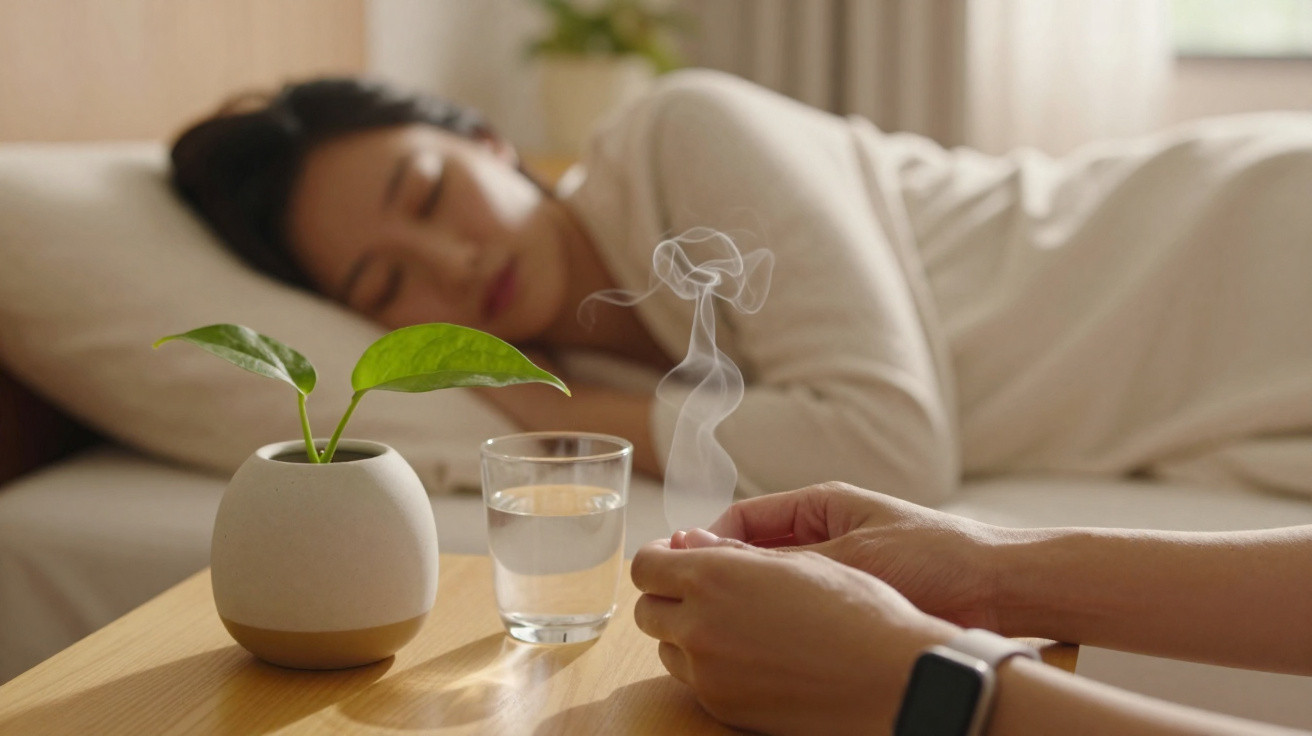
Instead, experts recommend a simple exchange: a caffeine-free hot drink, low lighting and the same bedtime wind-down routine each evening.
Your brain responds well to rhythm, and your mood benefits from a brain that has rested sufficiently.
7. Collecting possessions rather than experiences
Many people reach a quiet moment in their 60s or 70s when they open a cupboard and notice that half its contents have not been used in years.
There are old gadgets, clothes for a life no longer lived and boxes kept “just in case”.
Carrying all that from one home to another can have a psychological cost.
Longevity coaches often describe this as “lightening the load” - not merely to simplify a future house move, but also to create mental space.
One widower in his early 70s explained that giving away half his belongings felt like “removing a heavy coat I didn’t notice I was wearing”.
After he stopped accumulating things endlessly, he redirected his money and energy towards short trips, concerts and workshops.
Experiences grow older in a different way from possessions.
They gain depth, are retold and become shared memories that connect you with others.
A cluttered house can quietly reflect a cluttered mind; clearing it gradually can make space for a more adventurous self to emerge.
8. Claiming you are “fine” when loneliness is the truth
When people over 60 are asked how they are, many respond automatically: “I’m fine, can’t complain.”
At times, that is genuine. At other times, it is easier than admitting, “I feel invisible.”
Longevity researchers caution that unaddressed loneliness may be as damaging to long-term health as heavy smoking.
The habit to leave behind is emotional concealment.
You do not need to disclose every feeling, but keeping all of them locked away is like shutting the windows in a sunny home.
One 68-year-old woman I spoke to began telling her sister more honestly how silent her evenings felt; within a few weeks, they had started a nightly “check-in” call that became the best part of her day.
Being truthful about loneliness is not an admission of defeat; it is a courageous act.
It may lead to therapy, a support group or a new pastime.
It may simply make an existing relationship closer. Either way, putting a name to the pain is the first move towards easing it.
9. Delaying joy for a later date that never arrives
A phrase appears repeatedly in interviews with older adults: “Once I finish X, I’ll finally do Y.”
Once the house is organised, once the grandchildren are older, once I lose a few kilos, once my knee is better.
Life turns into a succession of waiting rooms.
Longevity experts strongly challenge this thinking.
They see too many people put off hobbies, holidays, conversations and even clothes that would help them feel more like themselves.
The habit to give up is regarding joy as something earned only after completing a lengthy task list.
Joy can be almost embarrassingly modest: flowers in the kitchen, enrolling in that pottery class or going to the good restaurant now rather than “someday”.
Once you stop postponing such moments, life no longer feels like preparation for something else and begins to feel like the main event.
That change alone can reshape how you experience your 60s and the years beyond.
Let the next decade surprise you
After 60, the question is not “How do I become a different person?”
It is more like “What can I stop doing that keeps the real me buried?”
All nine habits above have one thing in common: they gradually make your life smaller, often without your noticing.
Letting them go is not about being perfect or instantly becoming the ideal image of healthy ageing.
It is about small rebellions against resignation.
Answering the phone rather than saying you are “too tired”.
Walking around the block when the sofa is tempting you.
Telling a friend, “I could use more company these days.”
The people who flourish in their 60s, 70s and 80s are not necessarily the wealthiest or most fortunate.
They are the people who remain slightly curious about what may still happen.
They allow themselves to be mistaken about their own limitations.
You do not need to transform everything overnight.
Even abandoning one of these habits can change the way a week feels in your body.
Once you notice that difference, it becomes difficult not to ask what else might yet be possible.
| Key point | Detail | Benefit for the reader |
|---|---|---|
| Move away from autopilot living | Interrupt repetitive routines with small, deliberate changes. | Helps days feel purposeful rather than blurred and empty. |
| Prioritise genuine connections | Replace some screen time with in-person contact and shared activities. | Supports mental health and helps protect against loneliness and cognitive decline. |
| Commit to gentle movement and rest | Embrace respectful exercise and regular sleep routines. | Improves energy, mood and independence in later life. |
Frequently asked questions
- Is it really worth changing habits after 60?
Yes. Research shows that the brain and body continue to respond strongly to new routines, while small adjustments can improve mood, sleep and even life expectancy.- Where should I begin if all of this feels overwhelming?
Choose one habit that seems easiest to alter - often sleep or daily walks - and maintain it for a month before introducing anything else.- What if health problems restrict what I can do?
Work within your circumstances: gentle movement, telephone calls and small daily pleasures can still make a powerful difference to well-being.- How can I meet new people at my age?
Local classes, volunteering, community centres and groups based around shared interests are often more welcoming to older adults than you might think.- Am I too old to begin a new project or hobby?
Longevity experts say no - and many of their happiest patients began new passions during their 70s and even their 80s.





Comments
No comments yet. Be the first to comment!
Leave a Comment