

Psychologists interpret this very differently.
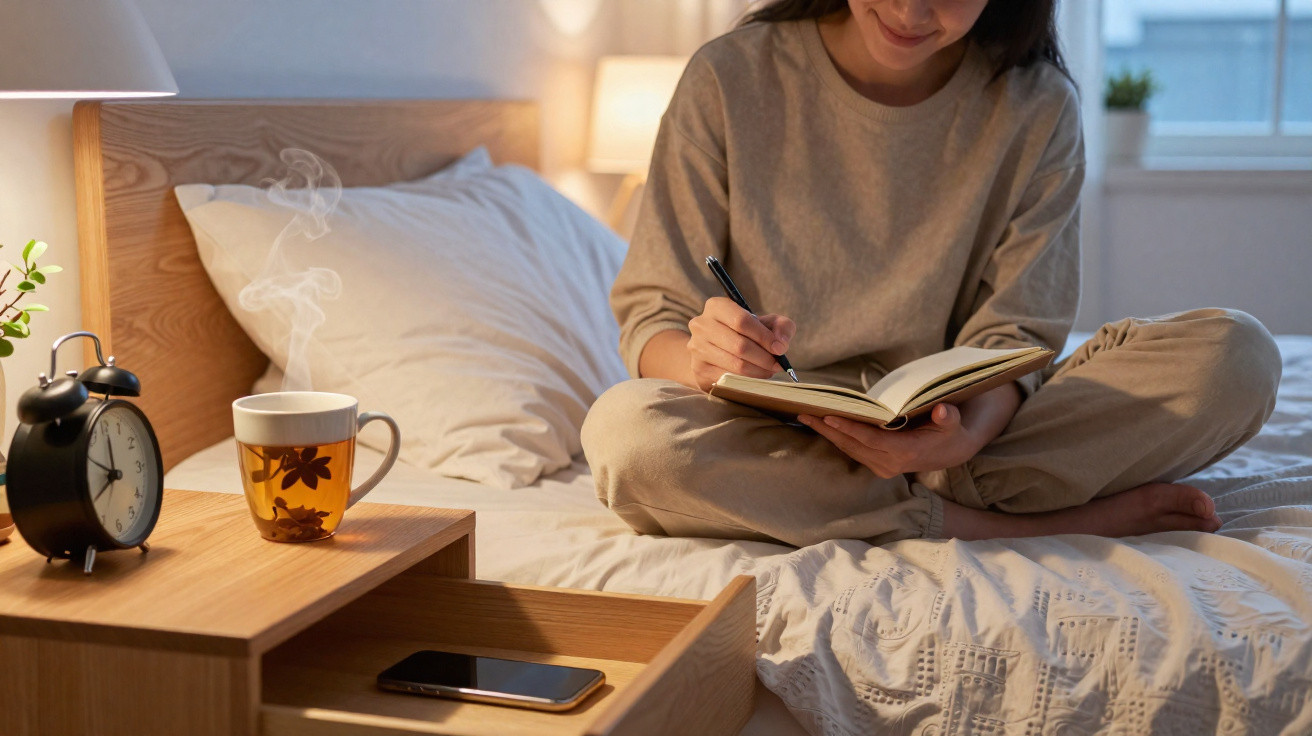
Anyone who would rather spend an evening with a book and tea than in a noisy bar is quickly labelled withdrawn or odd. Yet a growing body of psychological research suggests that people who deliberately opt out of constant social activity often possess distinctive inner strengths. The issue is not a lack of social skills, but a different, more profound relationship with themselves.
Why quiet can reveal more than any party
Our culture celebrates being constantly available: networking, small talk, parties and turning down as few invitations as possible. Those who do not enjoy this can soon feel pressured to justify themselves, both to others and to themselves. But the very desire to withdraw can point to mature psychological abilities.
People who enjoy being alone are not automatically escaping others – they consciously choose where to direct their energy.
Psychologists refer to this as voluntary solitude: you could be around other people, yet regularly choose quiet, nature, creativity or simply “doing nothing”. Eight common traits often lie behind it.
1. You set clear boundaries without apologising
People who spend a great deal of time alone usually understand their limits better. Rather than accepting every arrangement, they are more likely to say an honest, “Not today.” At first, this makes many people feel guilty – until they realise how beneficial that boundary is.
- You are more likely to cancel when you are exhausted.
- You notice when conversations are draining too much energy.
- After intense social occasions, you deliberately need time to yourself.
From the outside, this may seem reserved, but it protects your mental health. You decide who gets closeness – and when quiet takes priority.
2. You understand yourself unusually well
The constant noise of chats, meetings and social media leaves little room to organise your own thoughts. People who like being alone actively create that space. In quiet moments, questions emerge that would otherwise be lost in the noise:
- What do I truly want – and what am I doing only to please others?
- Where do certain fears or patterns come from?
- Which people are good for me, and which are not?
This kind of self-observation reinforces inner stability. Decisions become clearer because they are shaped not only by group pressure, but by a mature inward perspective.
3. You choose genuine closeness over casual acquaintances
Many people who enjoy being alone do not have dozens of contacts, but a small number of very close people in their lives. They know the depth of a long conversation better than the appeal of a packed diary.
Typical preferences include:
- A quiet evening with someone familiar rather than a huge party.
- Long discussions about meaning, doubts and dreams instead of superficial small talk.
- Friendships that often last for years because they are built on honesty.
People who choose relationships this way experience less social frenzy and more reliability. Quality matters more than quantity.
4. Your creativity flourishes when you are alone
Many creative breakthroughs happen not in meetings, but while walking, in the shower or at a desk with nobody else around. Without a constant stream of outside opinions, the brain can move more freely.
Solitude creates an inner playground: thoughts are free to wander, form new connections and step outside the usual boundaries.
People with a strong need to withdraw often report the following:
- Their best ideas arrive once there is finally some quiet.
- After a day full of appointments, their mind feels empty rather than creative.
- Routines such as walking, meditation or keeping a journal generate fresh ideas.
Whether it is art, a business plan or solving a problem at work, those who think alone deliberately are more likely to find original approaches.
5. You cope with crises more steadily
Being alone confronts you with yourself: with doubts, shame and old wounds. Those who stay with these feelings rather than pushing them away build strong inner resilience. Psychologists call this resilience.
People who regularly take time out often say they regain their balance more quickly during stressful periods. They are used to tolerating unpleasant feelings without immediately seeking distraction.
This does not mean they are invulnerable. But in a crisis, they are less likely to fall into blind activity or constant distraction – they pause and first make sense of things internally.
6. You communicate more clearly and honestly
People who are comfortable alone need less outward performance. Conversations become more direct because you are less likely to say something merely to be liked. Silences in dialogue are less frightening, so you do not feel compelled to fill every pause.
Typical patterns include:
- They listen for longer before responding.
- They are more likely to say: “I need a moment to think about that.”
- They state their wishes and boundaries more clearly because they know what they are.
This communication style makes relationships more relaxed. Misunderstandings decrease because fewer words are spoken out of insecurity.
7. Your emotional independence grows
Those who enjoy being alone depend less on continual approval from others. Their wellbeing does not rest entirely on invitations, likes or recognition at work. Praise naturally feels good, but your self-worth does not rise and fall with it.
Being alone shows that you are enough in yourself – a feeling many people only come to know later in life.
This inner stability changes relationships. Partners, friends and colleagues are no longer needed to fill an inner emptiness; instead, they become a conscious enrichment. That reduces pressure and clingy behaviour, creating a more relaxed way of being together.
8. You notice the present moment more intensely
Without constant social noise, small details become more noticeable: sounds, scents, the quality of light and bodily sensations. Many people who withdraw regularly develop a kind of finely tuned inner sense for the present.
Everyday examples include:
- Morning coffee is not simply a pick-me-up, but a conscious ritual.
- On the journey home, you suddenly notice birdsong for the first time.
- Floods of thoughts are recognised rather than immediately believed.
Such mindful moments have been shown to reduce stress levels and foster a sense of meaning, even on days that might otherwise seem unremarkable.
How to make deliberate use of these strengths
If you recognise yourself in many of these points, you do not need to rebuild your whole life. Small changes are often enough to benefit from your need for solitude rather than constantly fighting against it:
- Set regular “offline times” without your phone, particularly in the evening.
- Take brief periods alone each day – in the park, in the car or on the balcony.
- Be honest when you need quiet after an intense day.
- Pursue personal projects you intentionally do alone, such as writing, gardening, music or learning.
Over time, this creates a daily life in which both closeness and withdrawal have room – without constant self-justification.
When solitude becomes risky – and when it is healthy
For all its benefits, there are limits. Voluntary time alone generally feels stable and freeing. It becomes dangerous when choice turns into compulsion: for example, because social anxiety prevents every encounter, or because feelings of shame become so strong that contact is avoided altogether.
Warning signs may include:
- You actually want more contact but barely dare to seek it.
- You feel intense shame about your life or body.
- You withdraw and notice a marked decline in motivation and joy.
During such periods, professional support can help ensure that protective quiet does not become isolating loneliness.
Why a quiet life is not a flaw
Anyone who prefers to live at their own pace can appear “too quiet” beside the constant bustle. Yet that calm often contains reflective strength, creativity, clear communication and emotional stability. These are all qualities many people long for – and which can be difficult to develop in a noisy environment.
A conscious approach to solitude can nurture exactly this: a life that recognises external pressure without being governed by it. Those who learn to respect their need for quiet can be more present with others – and restore their energy more powerfully when alone.





Comments
No comments yet. Be the first to comment!
Leave a Comment