
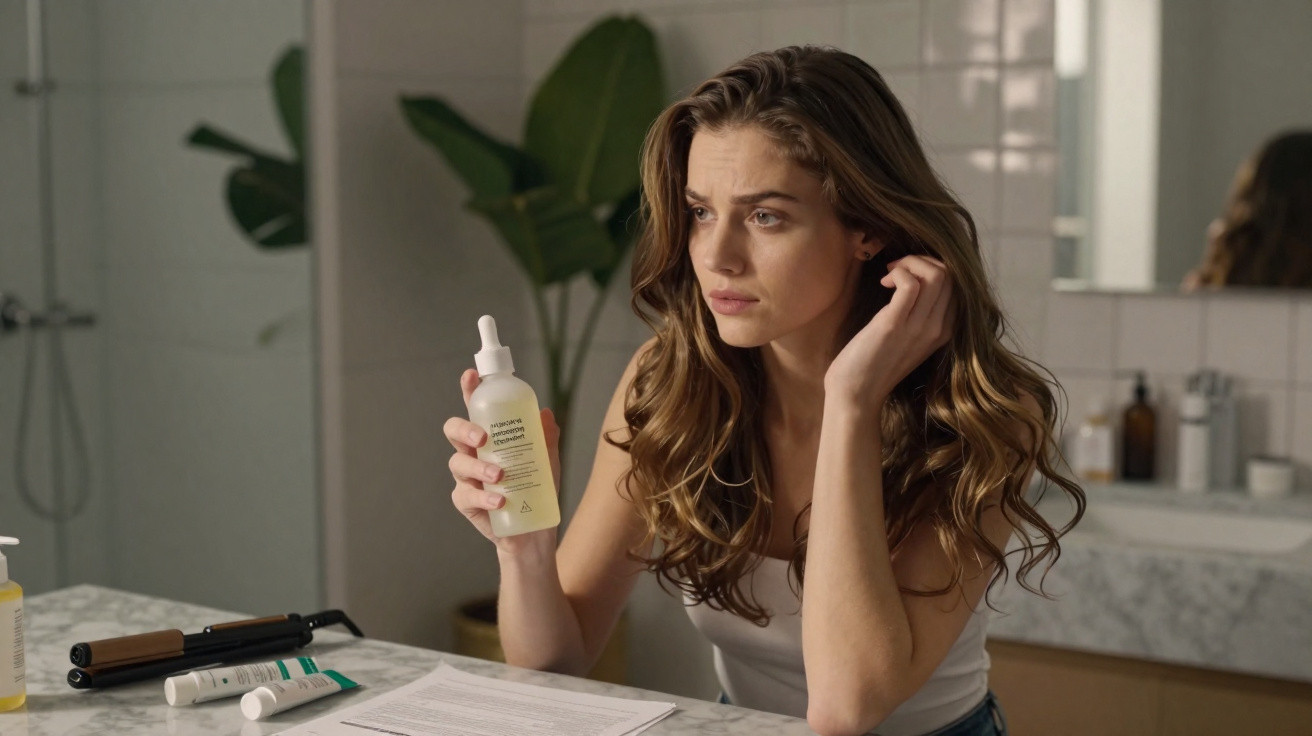
Only weeks before, she had been at a salon, chatting and laughing with friends, flicking through TikTok as a stylist worked a “miracle” hair treatment into her hair. It promised gloss, strength and fewer frustrating hair days. Now, doctors were telling her that the damage to her kidneys was so severe that they might not completely recover.
On the tray beside her phone was the plastic bottle the nurses had asked her to bring in. Its label featured a model with long, glossy hair cascading over her shoulders. The ingredients list, however, contained substances that most people would struggle to say, never mind recognise. As the young woman tried to understand what had happened, one question kept pounding through her mind.
How could something marketed as self-care lead to this?
When shine and smoothness come with a hidden cost
Step into an American pharmacy today and the hair-care section can resemble an adult sweet shop. Brightly coloured bottles promise “glass hair”, “liquid silk” and “repair in 10 minutes”. The treatment connected to this young woman’s kidney damage was not an obscure product. It was a popular, social-media trend promoted by influencers and stylists.
After months of hair shedding and breakage, friends had suggested she try it. The product claimed to offer intensive repair, keratin support and “salon-grade” conditioning. She used it as directed at home before arranging a salon appointment for a professional application to “boost the effect”. At first, it seemed indulgent: the scent was powerful but pleasant, the formula was creamy, and her hair felt unbelievably soft immediately afterwards.
But within days, she began to feel drained. Nausea followed, along with swelling in her legs and a persistent, dull ache in her lower back.
When US doctors later assessed her case, they found something seriously concerning. Her kidneys showed evidence of acute toxic injury, more commonly associated with substantial exposure to particular medicines or industrial chemicals. She did not drink alcohol, use recreational drugs or take any new medication. The only change had been her hair-care routine.
Specialists then examined the ingredients in the treatment she regularly used. Certain formulas in this product category may contain high concentrations of glycols, preservatives and by-products that can degrade into kidney-harming compounds in susceptible people. The young woman was probably exposed repeatedly over several months, through scalp contact and by breathing in vapours in inadequately ventilated settings.
Her case remains under investigation, but her doctors’ warning is clear: where a cosmetic is used frequently, left on the skin or applied in enclosed spaces, “safe in small amounts” may gradually become too much.
Hair transformations on social media are quick, glossy and filtered. What viewers do not see are the skipped patch tests, ingredient lists that were barely read, or three different brands’ treatments being combined on the same evening. They see only the “after” image. When we feel anxious about our hair, rapid results are particularly appealing. Thinning around the hairline, post-pregnancy shedding and stress-related loss can make every “instant fix” feel like bottled hope.
That is the emotional opening many brands use. Some “deep repair” and straightening products include formaldehyde-releasing agents or solvents that may irritate the skin and lungs and, rarely, affect organs when exposure builds up. The evidence is not always straightforward, and risk does not apply equally to every product within a category. Yet when a young woman develops irreversible kidney damage after months of use, doctors move beyond describing a “beauty routine” and begin considering chemical exposure.
When hair care is viewed as repeated low-level chemical contact, previously overlooked questions can suddenly become urgent.
How to protect yourself from risky hair treatments without panicking
The first practical recommendation from experts may sound unexciting: reduce contact time and exposure. For any intensive product, particularly masks, straightening creams or keratin-style treatments, regard the stated instructions as a maximum rather than a target. If the label says 20 minutes, many dermatologists suggest starting with 10 or 15 minutes rather than leaving it on “just a bit longer” for extra results.
Apply these products somewhere with proper ventilation. Open a window, use a fan and avoid cramped bathrooms with shut doors and humid air. Your sense of smell can be a useful warning system: if a product smells harshly chemical or leaves an irritation in your throat, step away, get fresh air and reconsider using it. If you have existing kidney problems or a chronic condition, or if you are pregnant, take the product to your doctor before making it part of your regular routine.
A second practice is easy to understand but difficult to follow: avoid layering several potent treatments over a short time. A “miracle” mask, a bond-repair serum and an in-salon smoothing treatment all contribute to your overall chemical exposure. On a Friday evening before an important event, combining them all can be tempting.
Yet in laboratory reports, this is often how rare complications begin. Dermatologists say they are seeing more reactions caused by “product cocktails” than by one cream alone. A red, itchy scalp, headaches and dizziness after lengthy salon appointments are among them - and, in extreme cases, organ strain in vulnerable people. Let’s be honest: hardly anyone reads every line on a label or records how often they use a powerful treatment each month.
One manageable adjustment is to choose one intensive hair treatment for regular use rather than three. Alternate products carefully and, where possible, allow your body a break of at least a couple of weeks between applications.
Many readers may feel embarrassed about taking beauty products to a medical appointment, but this is precisely what increasing numbers of nephrologists and dermatologists want people to do. A US kidney specialist who assessed similar cases told us:
“We used to ask only about medications and workplace exposures. Now we ask about hair, nails, and skin routines too. Cosmetics are chemistry. Your kidneys don’t care if the molecule came from a pill or a beauty product.”
Reading labels will not make you a toxicologist, but it may help you identify warning patterns. Strong fragrances listed near the top, repeated exposure to certain solvents, and salon procedures requiring masks or open windows can all be meaningful signs.
- Speak frankly with your stylist about the ingredients in the products used on your hair.
- Photograph the labels of any treatments you apply regularly at home.
- Stop using a product and seek medical advice if you develop swelling, foamy urine, unusual tiredness or pain around your lower back after beginning a new routine.
- Give priority to treatments approved or recommended by dermatologists, particularly if you have a chronic health condition.
- Keep in mind that “natural” on the front label does not ensure kidney-friendly ingredients on the back.
Beauty, risk and the quiet choices we make in the bathroom
At face value, this is the story of one woman and one popular hair treatment in the United States. More deeply, it concerns the way our bodies absorb the burden of routines that seem harmless and even comforting. The young woman did nothing extreme. Like millions of others, she followed trends, believed bold claims and copied what appeared in her social-media feed.
Doctors are not urging everyone to bin their conditioners and hair masks. However, they are asking people to approach intensive treatments with the same care they would give medicines. Ask questions. Leave more time between applications. If your body begins quietly signalling that something is wrong, pay attention before it has to make itself heard loudly.
We have all had moments when we tipped half a bottle over our heads, hoping to undo in 20 minutes the damage that months of stress had done to our hair. That urge is entirely human. This case quietly suggests that self-care can cross into self-harm without ever appearing dangerous.
Perhaps the next time you stand in that aisle or sit in a salon chair, the strongest treatment available will not be the most powerful choice. Instead, it may be asking before anyone touches your hair: “What’s actually in this, and how often is it safe to use?” It may feel like a small, awkward discussion - but it could potentially save a kidney.
| Key point | Detail | Why it matters to the reader |
|---|---|---|
| Popular treatment, rare but serious risk | A trending hair product in the US is being examined after a young woman developed irreversible kidney damage | Highlights that beauty routines can sometimes affect organ health |
| Exposure matters as much as ingredients | Regular use, extended contact time and poor ventilation can turn “low risk” into genuine danger | Helps readers change how they use existing products without panicking |
| Practical protection steps | Shorter application times, fewer overlapping treatments and open discussions with doctors and stylists | Offers clear actions for reducing risk while still enjoying hair care |
Frequently asked questions
- Can a hair treatment really damage your kidneys? Yes, in very rare situations. Most products are used without serious problems, but repeated exposure to certain chemicals - particularly for people with existing health vulnerabilities - may place strain on organs such as the kidneys.
- How do I know if my hair product is risky? Consider how strong it smells, how frequently you use it and how long it remains on your scalp. Products that require substantial ventilation, stay on for lengthy periods or are used very often warrant extra care and a discussion with a professional.
- Should I stop all keratin or straightening treatments? Not necessarily. Discuss them with your stylist and, if you have health concerns, with your doctor. Ask about formaldehyde-releasing agents and ventilation, and restrict how often you have these treatments.
- What symptoms should make me worry after a new hair routine? Unusual fatigue, swelling in the legs or face, ongoing headaches, nausea, foamy or darker urine, and pain near the lower back are reasons to seek medical advice promptly, especially if they develop days or weeks after starting a new product.
- Are “natural” or organic hair products automatically safe for kidneys? No. They may lower certain risks, but “natural” does not always mean harmless. Plants and essential oils may irritate the skin or interact with existing conditions. Both your method of use and your personal medical history matter.




Comments
No comments yet. Be the first to comment!
Leave a Comment