
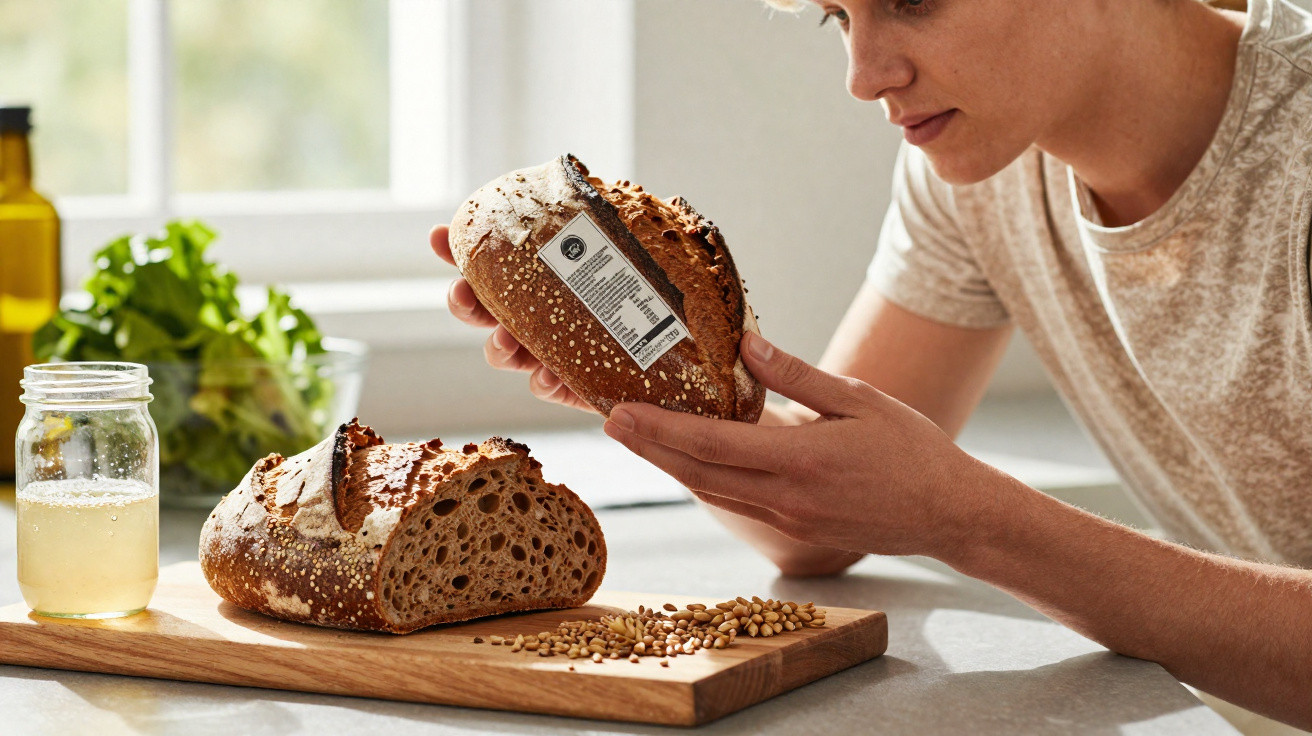
Nutrition experts may disagree on plenty of foods, but when asked to name the one bread type that truly promotes long-term health, their views are much more aligned than many shoppers might imagine.
Why dietitians pay attention to the bread you eat
Bread is far from an insignificant addition to a meal. Across many Western eating patterns, it supplies a substantial proportion of daily carbohydrate, fibre and, in some cases, protein. As a result, it can meaningfully influence blood sugar, body weight and cardiovascular health.
When dietitians were asked what bread they would choose, neither the lowest calorie count nor the fluffiest texture was their priority. Instead, they considered the effects a loaf has on the body over years rather than over a few days.
The bread they favoured most is dense, chewy, slowly digested and made from whole, minimally processed grains.
That description excludes a remarkably large number of supermarket staples, including some loaves that initially appear brown and “healthy”.
The clear winner: authentic 100% wholegrain bread
The bread most consistently identified as the best choice was proper 100% wholegrain bread, preferably made through sourdough or another slow-fermentation method.
The word “genuine” matters greatly. Dietitians noted that plenty of products sold as “wheat bread” or merely “brown bread” are, in effect, white loaves given a darker appearance.
Breads made only with whole grains keep the bran and germ, which means far more fibre, vitamins, minerals and protective plant compounds.
What gives wholegrain bread its health advantages
Wholegrain flour retains each of the grain’s three components: the bran, germ and endosperm. Keeping these parts together means the bread provides:
- More fibre: supports steadier blood sugar levels and helps you remain full for longer.
- Extra B vitamins: contribute to energy metabolism and brain function.
- Minerals such as magnesium, iron and zinc: connected with heart and immune health.
- Antioxidants and phytonutrients: linked to a reduced risk of chronic disease.
Most of these benefits are lost when white flour is refined. Although the resulting bread has a softer texture, it delivers starch rapidly while providing considerably fewer nutrients.
Why wholegrain sourdough bread is a standout choice
A number of dietitians said that, given the option, they choose wholegrain sourdough. They meant bread genuinely fermented for many hours with a live starter, rather than loaves simply made to have a sour flavour.
This extended fermentation offers three potential benefits:
- It breaks down some gluten and FODMAPs, which certain people may find more comfortable for digestion.
- It reduces the bread’s glycaemic effect, allowing blood sugar to rise more slowly.
- It can make minerals including iron and zinc slightly easier for the body to absorb.
Wholegrain sourdough gives you the nutritional profile of wholegrain flour with a gentler effect on blood sugar and digestion.
For dietitians, that is a particularly difficult combination to improve upon.
Brown bread is not always the same
It is common for shoppers to presume that every brown loaf is the healthier option. Dietitians strongly challenged this assumption.
They highlighted three frequent marketing pitfalls:
| Label claim | What people think | What dietitians see |
|---|---|---|
| “Wheat bread” | Sounds wholegrain and rustic | Often just white flour from wheat, lightly coloured |
| “Multigrain” | Mixture of many wholesome grains | Can still be mostly refined flour with a few seeds |
| “Light” or “low-calorie” | Better for weight control | Thinner slices, more processing, sometimes extra additives |
The word that matters most on the label is “whole” before the grain name, listed first in the ingredients.
If “whole wheat flour” or “whole rye flour” is not near the very beginning of the ingredients list, the bread is unlikely to be truly wholegrain, whatever its colour may suggest.
What about rye, spelt and “ancient grains”?
Dietitians did not identify one grain as uniquely magical. Their attention was instead on the way it had been milled and baked. A wholegrain rye or spelt sourdough, for instance, matches their preferred model as well as a whole wheat equivalent.
Rye was mentioned particularly often because it is generally:
- More dense and satisfying per slice.
- Higher in particular fibre types that nourish gut bacteria.
- Commonly used in slowly fermented loaves.
Once again, the essential requirement was that the rye, spelt or oat was wholegrain rather than refined.
Where gluten-free bread belongs
For those with coeliac disease or diagnosed gluten sensitivity, gluten-free bread is medically necessary rather than a lifestyle preference. However, dietitians cautioned against treating gluten-free as automatically healthier.
Many gluten-free loaves rely on refined starches, including rice flour, tapioca starch and potato starch. Unless they have been carefully developed, they may raise blood sugar quickly and contain little fibre.
The healthiest gluten-free breads mirror the same pattern: wholegrain ingredients, visible seeds, a decent fibre content and minimal sugar.
Gluten-free whole oats, buckwheat and brown rice flours were identified as better choices when combined carefully.
How much bread should you have, and how often?
Even when choosing the most nutritious loaf, dietitians did not recommend eating without limits. Portion size remains important, especially for people managing their weight or blood sugar.
For adults, their usual suggestions were:
- 1–2 slices with a meal, according to appetite and activity level.
- Eating bread alongside protein, such as eggs, cheese or hummus, and healthy fats, including olive oil, avocado or nuts.
- Including other whole carbohydrate foods, such as beans and vegetables, as part of a balanced diet.
This approach makes bread part of a slower, more balanced meal rather than a source of a rapid blood sugar rise.
Reading a bread label in 20 seconds
To make everyday shopping more straightforward, dietitians recommended a quick mental checklist. They said it can be checked more quickly than it takes to join the queue at a bakery counter.
- First ingredient: seek “whole wheat flour”, “whole rye flour” or another whole grain.
- Fibre per slice: target at least 2–3 grams; a higher amount is generally preferable.
- Sugar content: ideally, it should be no more than a few grams in each slice.
- Ingredient length: a shorter list often indicates less processing.
If your bread behaves like a sweet snack on the label, it will behave like one in your body too.
Two everyday situations that alter bread’s impact
Dietitians also emphasised that the foods eaten with bread can substantially change its effects.
Consider two breakfasts. In one, you have two slices of soft white toast with jam and coffee. In the other, you eat one substantial slice of wholegrain sourdough with peanut butter and berries. The calorie totals may not be dramatically different, yet the latter breakfast supplies more fibre, protein, healthy fats and slower digestion. It is likely to keep you satisfied for much longer and result in fewer mid-morning sugar crashes.
The same difference can be seen at dinner. Eating a large portion of white garlic bread alone is likely to raise blood glucose quickly. By contrast, two slices of wholegrain bread alongside bean soup, salad and olive oil produce a much steadier response, despite bread still being included in the meal.
Why the “best” bread may still vary between people
Despite their broad agreement on 100% wholegrain loaves, dietitians recognised that there is no universal choice for everybody. Some people handle rye exceptionally well but find wheat difficult. Others with irritable bowel symptoms may tolerate long-fermented sourdough better than standard wholemeal bread.
For anyone managing diabetes, high blood pressure or coeliac disease, choosing bread forms part of a wider medical context. Labels, blood tests and individual symptoms are all relevant. Even so, the specialists’ central message remains straightforward: if you eat bread on most days, choose one that is as close as possible to a real whole grain, slowly fermented and minimally sweetened.






Comments
No comments yet. Be the first to comment!
Leave a Comment