
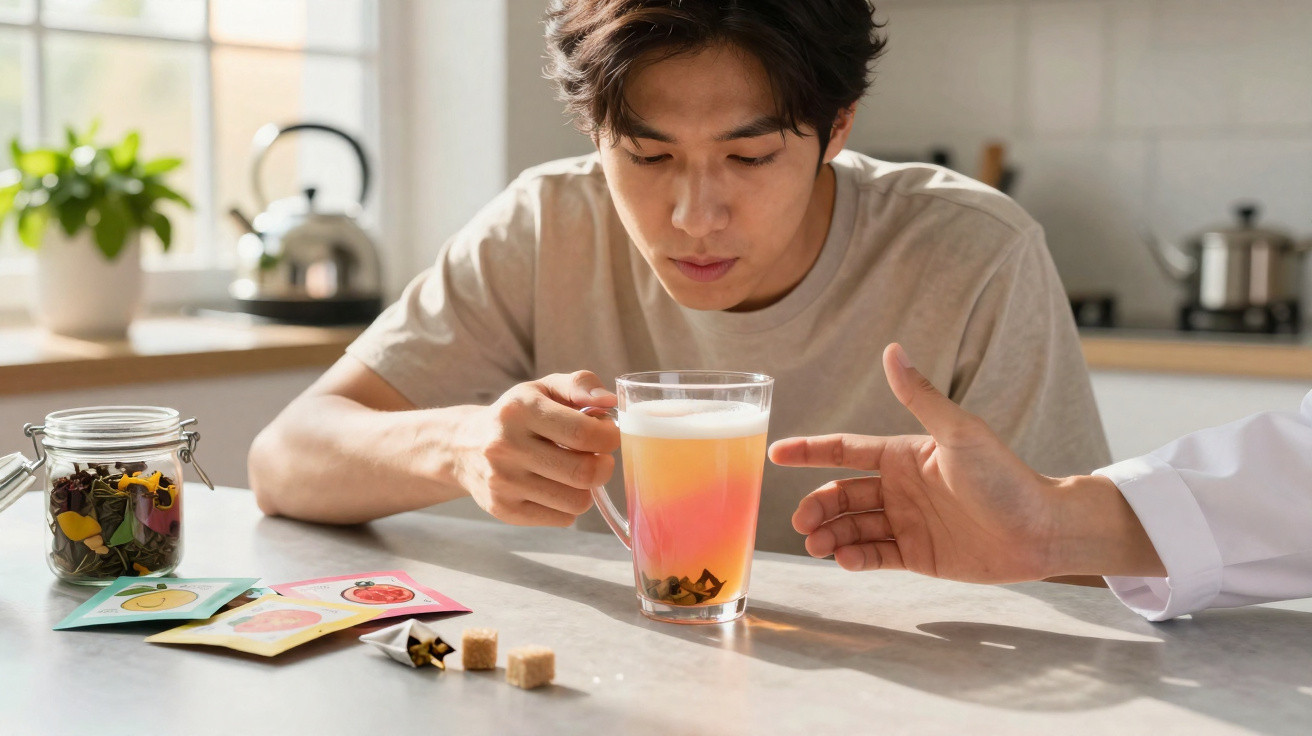
Many people choose tea and herbal infusions for health reasons – but a well-known nutrition specialist has now highlighted the varieties for which this choice can backfire.
They appear harmless on shop shelves: colourful boxes, slimline packaging and promises of better sleep, a flatter stomach and less water retention. Health-conscious shoppers and people hoping to lose weight are therefore often drawn to specialist teas and so-called wellness infusions. French nutrition doctor Jean-Michel Cohen has taken a closer look at several such products – and reached a strongly critical conclusion.
Why many “miracle teas” fail to deliver on their promises
Tea and herbal infusions are rightly among the most popular hot-drink alternatives to coffee. From green and black tea to fruit tea, the choice is vast. At the same time, the market for products promoted with claims such as “drainage”, “slim while you sleep” and “fat burning” continues to expand.
This is precisely where Cohen’s criticism begins. His concern is not tea itself, but the way many industrially produced products are formulated. In his assessment, stylish names and attractive packaging often conceal:
- broken tea leaves and tea dust rather than whole leaves
- heavily added flavourings, often artificial or nature-identical
- sugar or sweetening additives
- marketing claims that are substantially exaggerated
“Anyone who thinks they are drinking a kind of miracle cure with a flavoured cup of tea can quickly end up with a flavoured sugary drink in a bag.”
In his view, tea’s health benefits can only be properly enjoyed when the leaves are of good quality and the ingredient list remains straightforward.
Whole leaves rather than powder and dust
The quality of the tea leaves is a key issue. Experts point out that the most aromatic and valuable leaves are those that grow small and close to the plant’s bud. Wherever possible, they should be used whole.
However, Cohen says that many inexpensive tea bags mainly contain what remains after processing: fragments and fine particles. These so-called “fannings” and “dust” release far less natural flavour. Manufacturers then rely on added flavourings to ensure the tea still smells and tastes intense.
This creates a paradoxical result: the cup may smell strongly of berries, mint or biscuits, yet comparatively little genuine plant material is actually steeping in the water.
“Some products contain more added flavourings than tangible plant ingredients that actually make up the tea.”
Cohen recommends choosing teas in which the plant ingredients are visible and easy to identify, such as loose tea or bags containing coarsely cut leaves and herbs.
Four teas and infusions the nutrition specialist warns against
In his review, the doctor examined several familiar products and singled out four for particularly clear criticism. In his opinion, three points matter most: the amount of flavouring used, the sugar content and misleading claims.
1. Berry flavour instead of berries: fruit tea with blue and red fruit
One example is a flavoured tea from a well-known brand that is marketed with blueberry and raspberry. Images on the box suggest a fruity, natural blend. Cohen argues, however, that the drink consists primarily of flavourings. In his view, genuine fruit ingredients play too small a part.
There is another concern: the product contains liquorice. This ingredient can raise blood pressure and is therefore problematic for people with hypertension, particularly when consumed regularly.
- Heavy use of flavourings
- Very little real fruit content
- Liquorice – unsuitable for hypertension
2. Tea as dessert: chocolate-hazelnut latte in a bag
Cohen also criticises a tea drink from the same brand that resembles a combination of chocolate, nuts and spiced tea, and is promoted with a creamy latte effect. The intended association is a cosy, wintery comfort drink that is supposedly still “just tea”.
Cohen sees it more as a dessert in a cup than a traditional hot drink. Products of this kind often include:
- flavourings for chocolate, nuts and spices
- additives that create a creamy texture
- in some cases, sugar or sweeteners
People who regularly opt for these latte-style varieties can easily consume extra energy without viewing them as a “proper” sweet treat. For those aiming to lose weight in particular, this hidden source of calories can slow their progress.
3. Capsule tea with a sugar hit: “oriental” mint tea
The doctor is equally blunt about a capsule tea from a major coffee-capsule brand, designed to evoke North African mint tea. His principal objection is the ingredient list: sugar comes first.
“According to his calculation, anyone making a cup drinks roughly the equivalent of one sugar cube – from a beverage that is actually considered a ‘light’ alternative to fizzy drinks.”
Anyone drinking several cups during the day can quickly accumulate a meaningful amount of additional sugar. This is especially unfavourable for people with diabetes, insulin resistance or an increased risk of metabolic disease.
4. “Fat-burning” infusion with hidden caffeine
The fourth product criticised is an herbal blend from an organic manufacturer that openly promotes a “fat-burning” effect. Cohen considers this message overstated: it is not a miracle product for weight loss.
In addition, the product contains caffeine from tea leaves. Many customers expect an “infusion” to be a wholly caffeine-free herbal drink. They may drink the blend in the evening to “boost” their metabolism, only to later wonder why they feel restless or struggle to fall asleep.
For the nutrition specialist, the issue is clear: promoting weight-loss claims while concealing caffeine in an apparently “harmless” herbal blend presents a misleading picture.
How consumers can identify good tea
Cohen generally advises choosing products with short, clear ingredient lists. The fewer items listed, the easier it is to see what is genuinely ending up in the cup. In his view, the ideal teas contain identifiable ingredients, such as mint leaves, dried lemon peel, chamomile flowers, hibiscus and rosehips.
| Criterion | Better avoided | Better choice |
|---|---|---|
| Flavourings | “natural flavourings”, “flavourings”, long lists of flavourings | real plant ingredients, only lightly flavoured or completely unflavoured |
| Leaf quality | fine powder, barely recognisable ingredients | coarser leaves, visible flowers and pieces |
| Sweeteners | sugar, glucose syrup, intensive sweeteners | unsweetened; if needed, add a small amount of honey or sugar separately |
| Marketing claims | “fat killer”, “detox”, “cleansing” | a clear description such as “herbal tea with mint and fennel” |
How tea and herbal infusions can genuinely support weight loss
Tea alone does not melt fat. Even so, it can play a useful part in changing eating habits. Choosing an unsweetened cup instead of fizzy drinks, fruit juice or cocoa can save a substantial number of calories.
Many people drink a glass of water or tea before a meal and subsequently feel less hungry. They feel full sooner, which may help them reduce their calorie intake. Herbs including peppermint, fennel, anise and caraway can also be soothing for digestion and help relieve bloating.
However, the decisive factors for body weight remain overall diet, exercise and lifestyle. A “fat-burning tea” is no substitute for a balanced meal or regular activity.
Risks: when tea is no longer harmless
Many people regard tea as entirely risk-free. Certain groups should nevertheless take a closer look:
- People with high blood pressure: should consume liquorice products and liquorice in tea blends only in small quantities.
- Pregnant women: need to be cautious with herbal blends, as some plants are not recommended in larger doses.
- People with sleep problems: should avoid caffeinated teas such as green tea, black tea and maté in the evening, choosing genuine herbal infusions instead.
- People with diabetes: should scrutinise sweetened instant and capsule drinks, as they may contain hidden sugar.
Practical tips for shopping and everyday use
Anyone wishing to be on the safe side can follow a few simple rules:
- Read the ingredient list when shopping, rather than looking only at the front of the packet.
- Choose loose tea where possible, or tea bags in which the ingredients can be clearly recognised.
- Test your own preferences: many people find intensely flavoured products artificial after a short time.
- If sweetening at all, do it yourself and use very little.
- Automatically treat claims such as “detox”, “slim” or “fat burning” with scepticism.
It is also worth looking at traditional tea cultures. Whether it is green tea in East Asia or mint tea in North Africa, classic versions use a small number of straightforward ingredients. Their appeal comes from high-quality leaves, fresh herbs and a little sugar or honey, usually added deliberately and in measured amounts.
In everyday life, it is often enough to find two or three favourite varieties that are well tolerated and do not rely on exaggerated promises. A simple herbal infusion in the evening or a cup of unsweetened green tea in the afternoon may do more for wellbeing than any brightly packaged “miracle tea” blend from the supermarket.






Comments
No comments yet. Be the first to comment!
Leave a Comment