
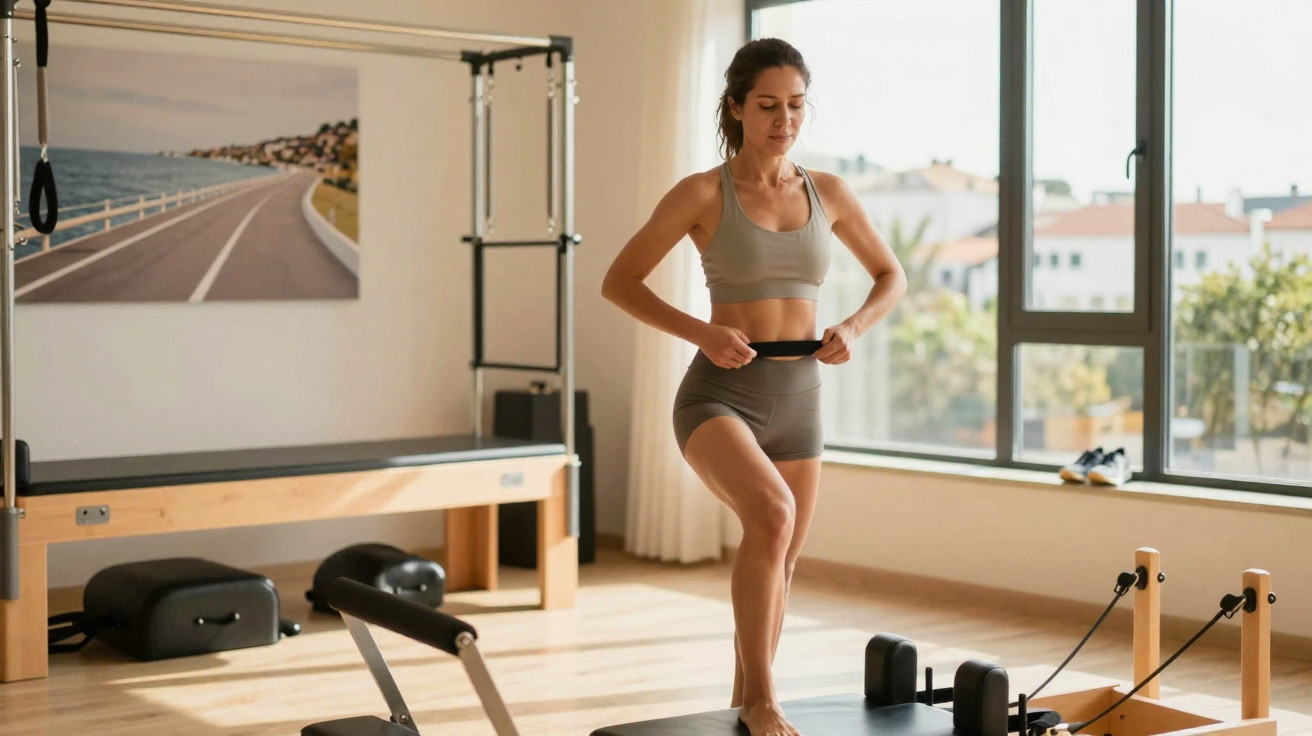
Pilates is a low-impact strengthening method originally created during the First World War to rehabilitate injured soldiers. It chiefly develops trunk control and stability by building strength in the core and gluteal muscles. Because Pilates is low impact, it is exceptionally well suited to runners, including those recovering from running-related injuries. Many runners avoid strength work because they worry it will add muscle bulk or affect cardiovascular fitness. However, Pilates complements running effectively, offering a range of benefits for both performance and injury prevention.
Pilates for running performance and injury prevention
Running, and road running in particular, is repetitive. Runners therefore commonly develop overuse injuries, as the same muscles are repeatedly recruited in the same manner and within the same plane of movement. Research supports the benefits of Pilates for running performance: it can increase muscle activity (Finatto et al. 2018) and improve functional movement in recreational runners, significantly lowering injury risk (Laws et al. 2017).
Pilates centres on movement control, joint alignment, centring and breathwork. Its purpose is to lengthen and strengthen muscles, frequently through eccentric loading. In other words, muscles are loaded while they lengthen. This element of strength is essential for controlling joint position and alignment, particularly at the knee, which is often injured.
Joint control, strength and running efficiency
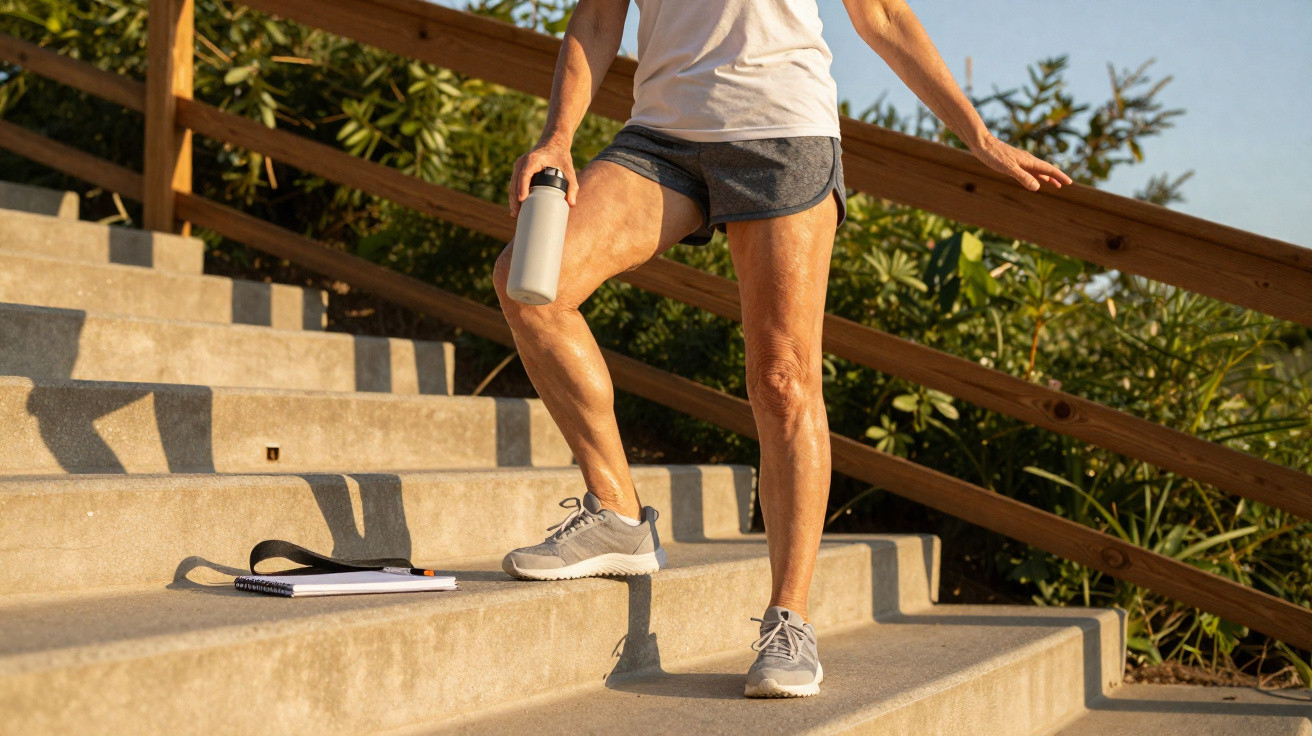
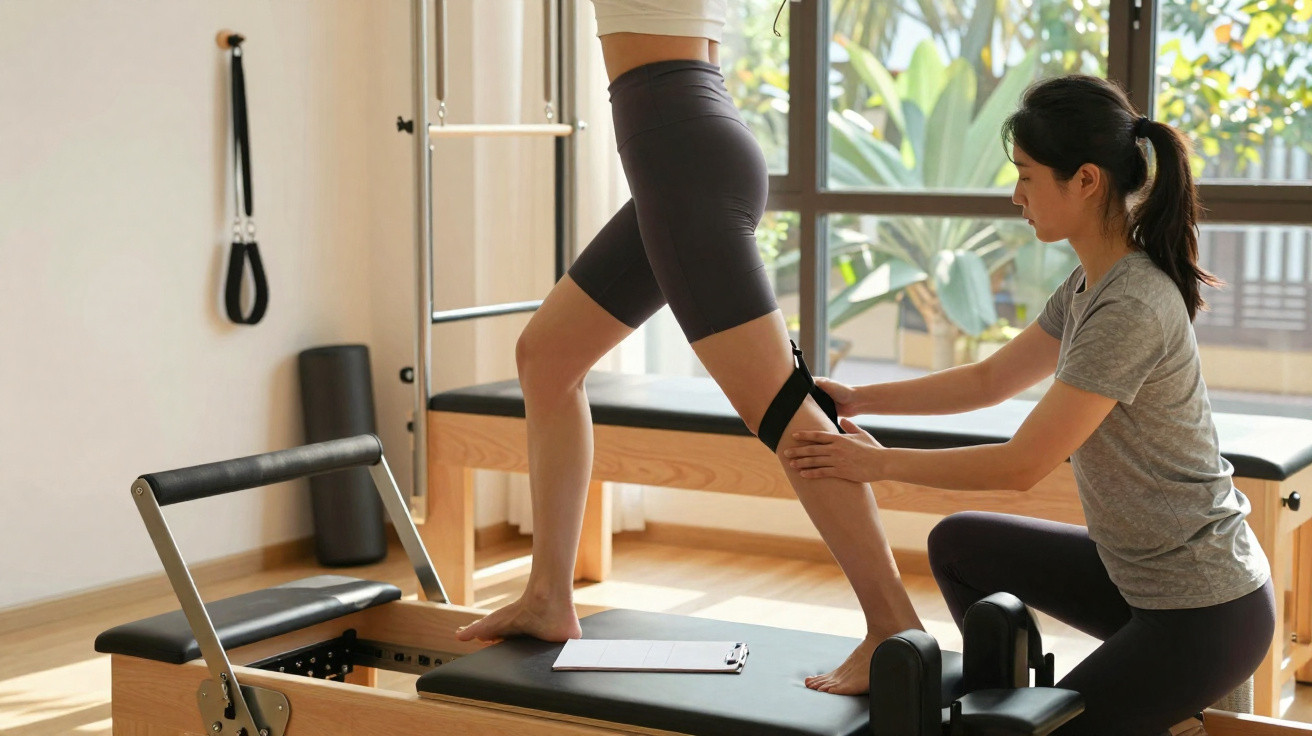
Pilates can improve neuromuscular joint control by strengthening and improving recruitment of the smaller muscles responsible for positioning the joints, especially at impact. Pelvic and knee alignment while running is an important example. Poor control and stability around the pelvis can often cause the knee to drift medially (inwards) as it bends under load.
This may not cause problems during shorter runs. On longer runs, however, particularly as fatigue develops, tissues in the hip and knee are more likely to be loaded beyond their capacity, potentially resulting in injury. Increasing the strength of the trunk and pelvic muscles enables greater power generation through the lower limbs, which can improve running efficiency and speed.
Muscle tightness is a frequent complaint among runners. Although Pilates includes some mobility and flexibility work, strengthening muscles throughout their range of movement is what helps reduce the sensation of tightness. Tight muscles are often weak muscles. Building muscular endurance and the ability to perform the same movement repeatedly lowers overall fatigue and can therefore delay the onset of tightness while running.
Breathwork in Pilates
Breathwork is another central component of Pilates. It helps reduce intra-abdominal pressure and, in turn, improves core muscle recruitment. This may positively affect breathing patterns during running, reducing unnecessary muscular tension across the body. As a result, running efficiency can improve through lower overall energy expenditure.
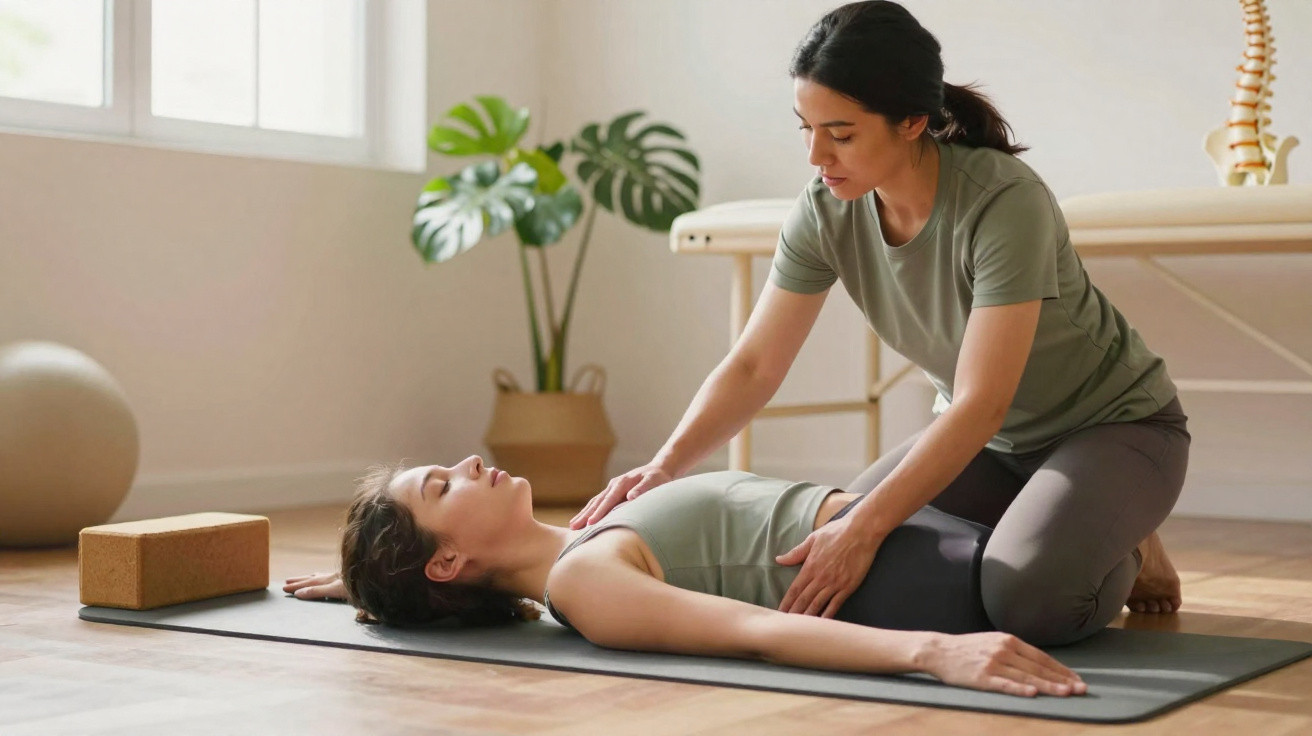
Pilates classes at PhysioSpace are led by physiotherapists, which is particularly helpful for clients returning from injury or seeking to address a specific weakness or imbalance that may be affecting running performance. We offer both mat-based and reformer Pilates classes, with each providing distinct challenges to begin your Pilates journey.


Comments
No comments yet. Be the first to comment!
Leave a Comment