
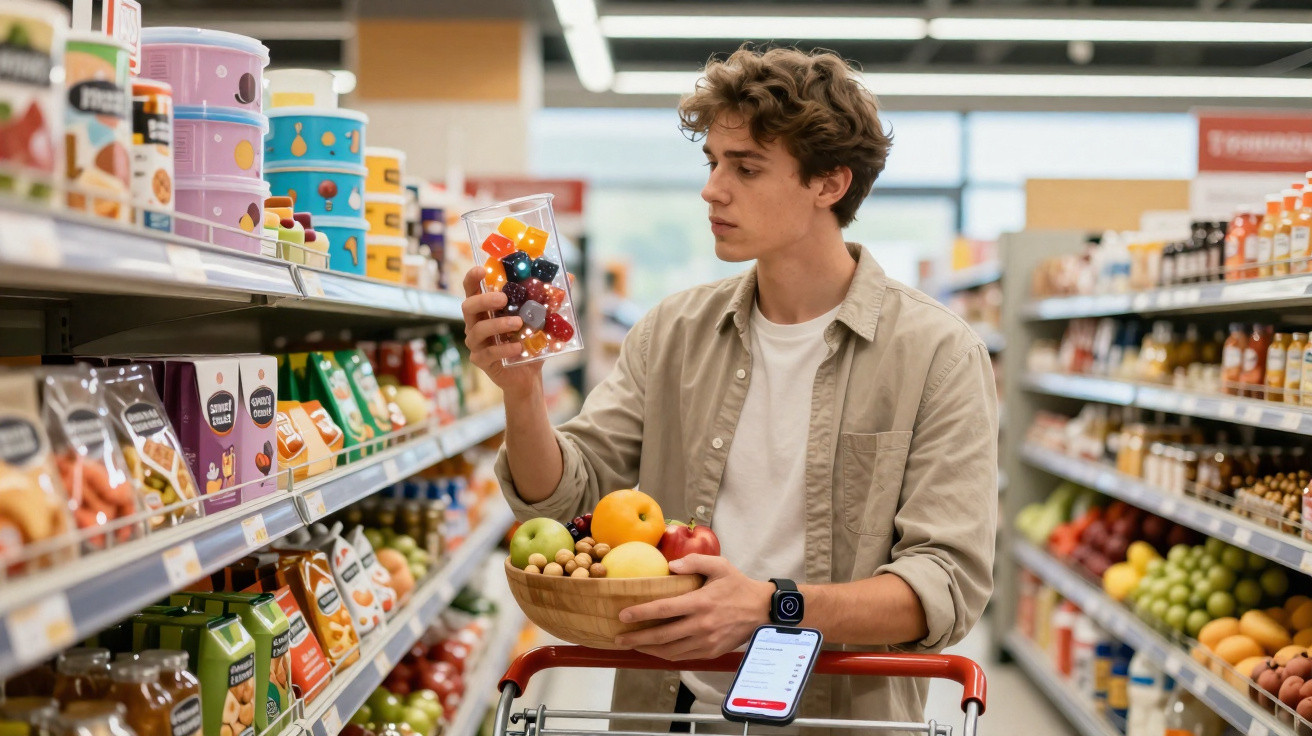
Across TikTok, food courts and subscription boxes, a polished new “future food” is surging in popularity – and doctors are concerned.
The snack appears innocuous, even ingenious. It is inexpensive, adaptable and sold as a greener alternative to meat and more enjoyable than salad. However, beneath the filters and wellness hashtags, nutrition specialists worry that this trend could subtly alter the way we eat in 2026 – and not for the better.
What is the controversial 2026 food trend?
The trend revolves around so-called “smart snack stacks” – ultra-processed, laboratory-formulated blocks of snacks intended to replace proper meals. Picture energy bars, flavoured gels, protein crisps and caffeine gummies, packaged together as one “stack” said to cover your daily macros without the effort of cooking.
They are promoted as a health-focused alternative to fast food. Numerous brands offer precise nutritional profiles, AI-personalised programmes and “biohacker-level performance.” Influencers post days spent eating only these stacks, frequently describing them as “no-cook days” or “fridge-free living.”
Experts warn that replacing real meals with highly engineered snack stacks risks turning the daily diet into one long processed experiment.
These products are legally classed as food. They meet safety standards for contamination and basic nutrients. The dispute begins when doctors, dietitians and regulators consider what may happen when they become a person’s primary calorie source, day after day.
Why nutrition experts are sounding the alarm
A single smart snack is not automatically harmful on its own. The issue is the quantity consumed and how often it is eaten. Many early adopters are relying on these stacks for breakfast, lunch and, in some cases, dinner too.
Ultra-processing on repeat
Most smart snack stacks meet the definition of “ultra-processed food” (UPF). They are made using refined starches, protein isolates, industrial oils, artificial sweeteners, flavour enhancers and stabilisers, then reconstructed into something resembling real food.
Decades of research into diets rich in UPFs link them with increased risks of obesity, type 2 diabetes, heart disease and certain cancers. Scientists continue to debate which mechanisms are most important, but clinicians are already troubled by several recurring patterns:
- People often eat too much ultra-processed food because it is soft, intensely flavoured and easy to eat quickly.
- It can contain concealed levels of sugar, salt and fat, including products marketed as “light” or “fit.”
- It commonly replaces whole foods such as fruit, vegetables, nuts and grains.
When two or three meals a day are replaced with snack stacks, these risk factors can accumulate rapidly, particularly for teenagers and young adults whose diets are already vulnerable.
Gut health under pressure
A further concern is the effect of this trend on the gut microbiome. Proper meals generally provide fibre, plant compounds and varied textures. These features help nourish beneficial gut bacteria and aid digestion.
Many smart stacks contain little natural fibre but substantial amounts of artificial sweeteners, including sucralose or acesulfame K. Early research indicates that frequent use of certain sweeteners may change gut bacteria in ways that could affect blood sugar regulation and inflammation.
Replacing real meals with engineered snacks risks starving the gut of the diversity of fibres and plant compounds it needs.
Hidden stimulants and sleep disruption
Several stack brands promote “focus” and “energy” by adding caffeine, green tea extract or synthetic stimulants to products ranging from gummy bears to crackers. Consuming three or four of these items during the day could lead many people to exceed safe caffeine limits without noticing.
Doctors already describe patients presenting with rapid heartbeats, anxiety or disturbed sleep after combining coffee, energy drinks and these new snacks. Since the products seem harmless, consumers may overlook the small-print stimulant warnings on the packaging.
Why banning them is proving so contentious
Despite the evident concerns, few regulators are moving quickly to remove these products from shop shelves. The discussion around restricting or banning them is complicated and emotive, dividing experts too.
The case for stronger restrictions
Public health campaigners say smart snack stacks are following the same trajectory as e-cigarettes: initially introduced as a specialist tool for adults, heavily promoted on social media, then taken up widely by teenagers.
They point to three central concerns:
- Normalising snacks as meals: Young people could grow up believing that a “normal” lunch consists of a handful of brightly packaged laboratory foods.
- Unclear long-term effects: Most safety assessments examine individual ingredients in isolation, rather than a diet composed almost entirely of such products.
- Marketing loopholes: Claims such as “protein-powered” or “plant-based” may conceal how ultra-processed a product really is.
Public health experts say the problem is not one bar or drink, but a lifestyle quietly shifting away from real food.
Some support warning labels comparable to those used for sugary drinks, or restrictions on the ways these products can be advertised to children and teenagers.
The argument against a full ban
Conversely, industry bodies, some economists and even a small number of nutrition scientists strongly oppose a ban. Their arguments include:
| Argument | Rationale |
|---|---|
| Consumer freedom | Adults should be able to decide what they eat, even when the choice is not ideal. |
| Access and affordability | Smart stacks are low-cost, keep for a long time and are simple to store, helping low-income households and shift workers. |
| Harm reduction | For certain people, a formulated snack may be less damaging than eating fast food daily or missing meals. |
These opponents caution that a complete ban could merely drive the trend underground or towards less regulated online marketplaces. They favour stricter labelling, age-specific marketing restrictions and improved public education instead.
Who is most at risk from the trend?
Not everybody who uses a smart stack will experience health issues. Risk is shaped by who eats them, the frequency of use and the rest of their diet.
Groups experts are watching closely
- Teenagers and students: Drawn in by affordable prices and colourful branding, they are most likely to replace proper meals altogether.
- Shift workers and gig workers: For those working irregular hours, stacks can seem like a convenient solution, but they may reinforce inconsistent eating habits.
- Fitness enthusiasts: Some gym users are now structuring entire “cutting” or “bulking” plans around these products, pushing whole foods aside.
- People with limited cooking facilities: People living in hostels, bedsits or temporary accommodation may depend on stacks because they require neither refrigeration nor a cooker.
When people with the least control over their food choices lean hardest on processed solutions, health gaps can widen.
How to use smart snacks without wrecking your diet
Most dietitians acknowledge that these products are unlikely to disappear. Their focus is therefore on limiting the damage. The key advice is to view smart snack stacks as emergency provisions, rather than the basis of an everyday diet.
Practical ways to limit the harm
- Limit them to no more than one item daily, rather than using them to replace breakfast, lunch and dinner.
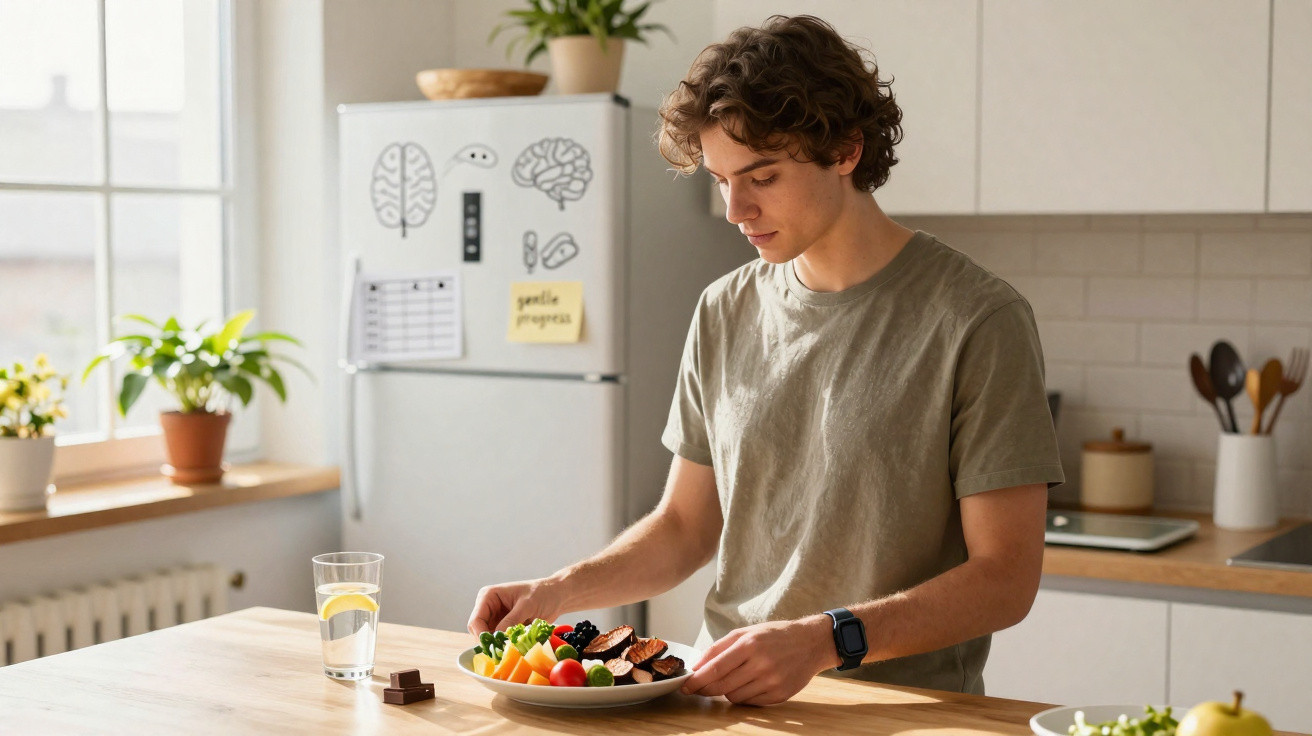
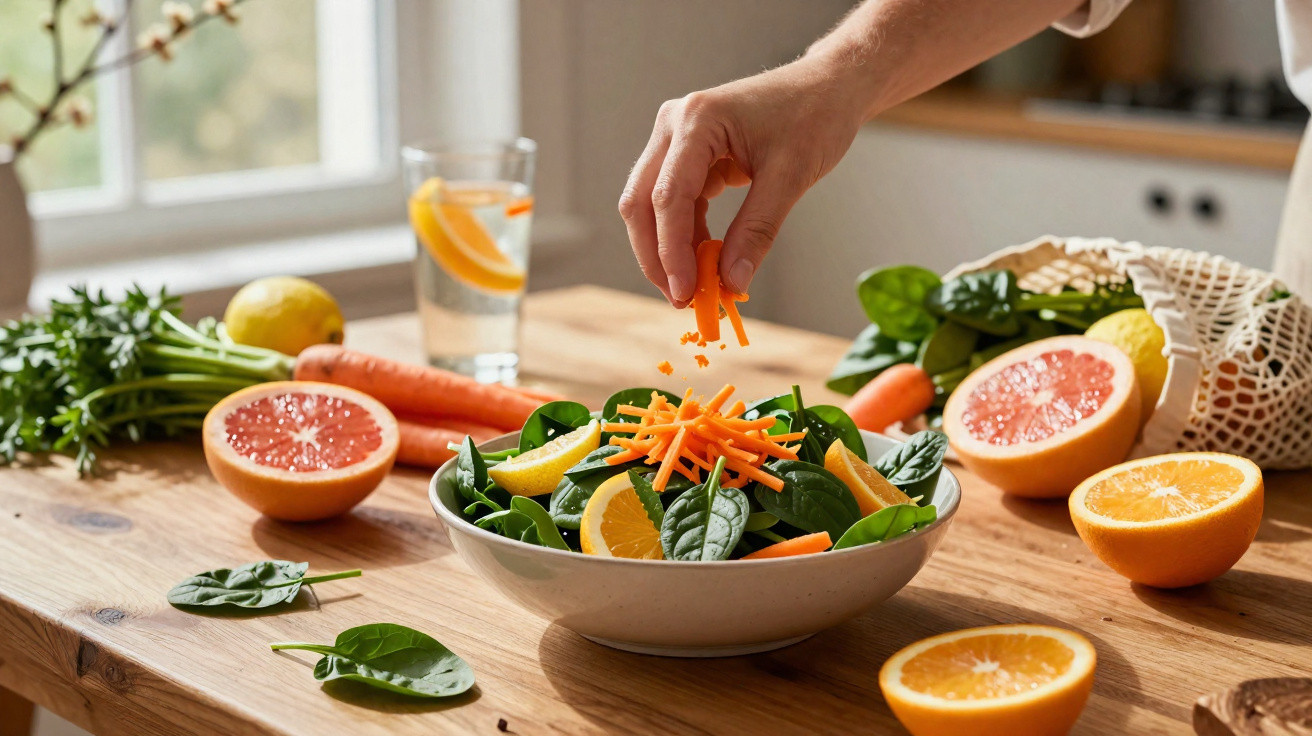
- Eat a snack stack alongside something fresh, such as fruit, carrot sticks or a straightforward salad.
- Read the label for caffeine and add it to your total consumption from coffee, tea and other drinks.
- Alternate between brands and product types to prevent excessive exposure to a particular sweetener or additive.
- Pay attention to how you feel: shifts in sleep, digestion or mood may be early warning signals.
Some experts recommend thinking of these products as you would instant noodles or frozen pizza: useful when needed, acceptable occasionally, but risky as a regular staple.
Behind the label: terms worth understanding
The discussion surrounding this trend includes jargon that may confuse shoppers. A handful of terms are especially useful when reading the back of a packet.
- Ultra-processed food (UPF): Products created from industrial ingredients rather than recognisable foods. They typically include additives, flavourings and texturisers that would not normally be used in home cooking.
- Protein isolate: A concentrated protein extracted from peas, soya, whey or other sources. It can support muscle repair, but does not provide the fibre, vitamins or minerals present in the original food.
- Non-nutritive sweeteners: Sweeteners containing few or no calories, such as sucralose or stevia. They may reduce sugar consumption, although their long-term effects on appetite and gut bacteria are still being researched.
Understanding these terms makes it simpler to assess whether a “healthy” stack is nearer to a balanced meal or simply a clever combination of powders and syrups.
What a 2026 “stack-only” day might look like
Health bodies sometimes use simulations to consider how trends may develop. One group of dietitians recently outlined a typical “stack-only” day in 2026 using products that are already available.
Breakfast consists of a coffee-flavoured protein bar and an energy gel. Lunch is a pack of “keto crunch” crisps with a caffeinated fizzy drink. Dinner is a high-protein brownie plus fibre gummies “for gut health.” On paper, the labels claim sufficient protein, fibre and vitamins. In reality, this day supplies very little fresh produce, minimal natural fibre and more stimulants and additives than most bodies can comfortably manage.
These examples illustrate why experts are uneasy. The concern is not so much one dubious snack, but an emerging dietary pattern that can appear efficient and high-tech while gradually removing the complexity from meals.
Experts are less worried about futuristic ingredients than about a future where cooking, chewing and sharing real food become optional.
For the moment, smart snack stacks occupy a grey area: legal, readily available and heavily promoted, as science works to catch up. Whether 2026 brings tighter regulation or simply stronger warnings, the health effects will probably come down to a simple, traditional question – how often we still sit down to eat real food, from a real plate, with more on it than an item from a packet.



Comments
No comments yet. Be the first to comment!
Leave a Comment