
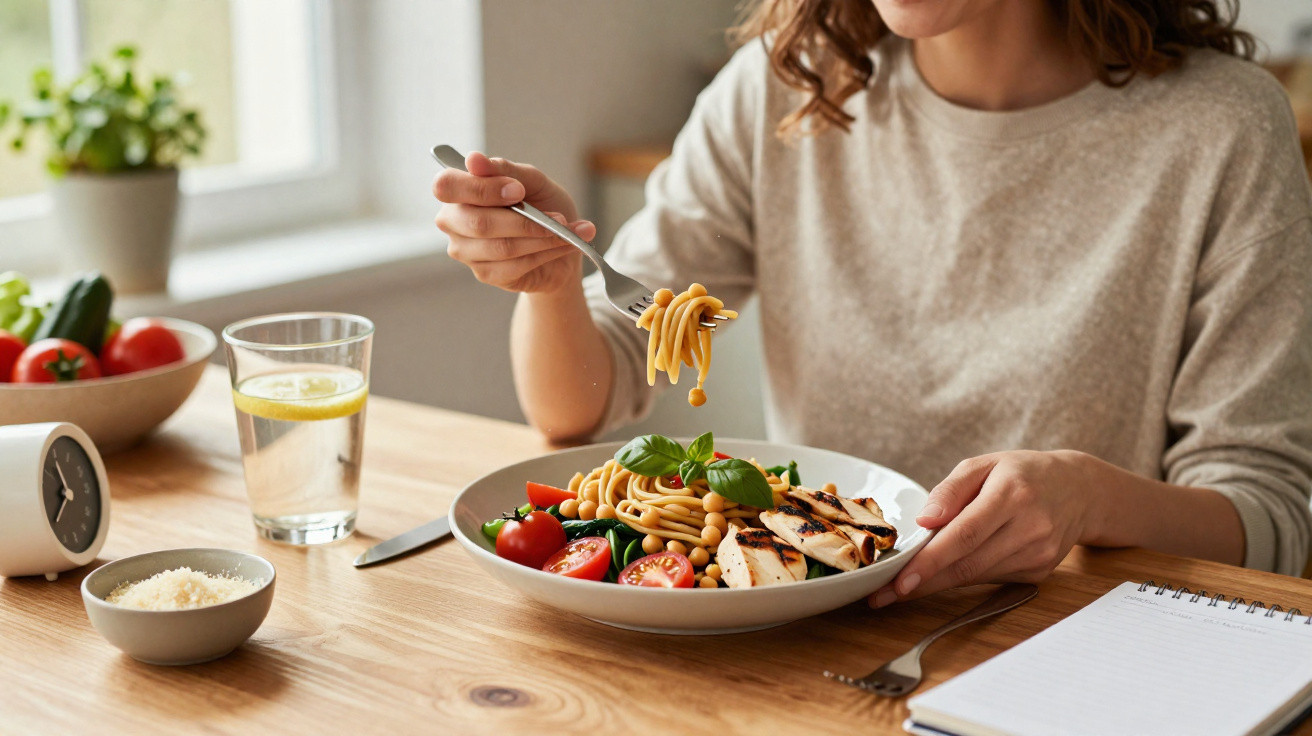
Pasta is often seen as comfort food, a quick meal and a family favourite. At the same time, it has a reputation for causing weight gain. This leaves many people wondering: how many times a week can you eat pasta without putting pressure on your waistline and blood sugar? And does it matter whether it is served at lunchtime or in the evening?
How often a week pasta makes sense
Nutrition specialists are remarkably aligned on this point: as part of a balanced diet inspired by Mediterranean eating, pasta can appear on the menu far more often than was claimed for many years.
“For healthy adults, around four to five pasta meals a week are possible – provided the portion size and side dishes are right.”
The key issue is not so much how often pasta is eaten, but these three factors:
- Portion size: For most adults, 70 to 80 grams of dry pasta is sufficient.
- Accompaniments: Vegetables, pulses and protein-rich ingredients make the plate more balanced.
- Preparation method: Cream-heavy sauces and XXL portions can quickly upset the balance.
People who are very active, do physical work or exercise regularly can increase this amount slightly on active days. However, anyone with existing diabetes, severe overweight or metabolic disorders should agree the precise quantities with their doctor or nutritionist.
Does pasta really make you gain weight?
Pasta itself is rarely responsible for its poor reputation; the issue is usually what gets added to it. Plain pasta consists mainly of complex carbohydrates along with a little protein. The body uses it as an energy source, much like bread or rice.
It becomes problematic when several factors occur together:
- very large portions
- lots of butter, cream, full-fat cheese or processed meat
- white pasta with little fibre and hardly any vegetables
- little day-to-day physical activity
When pasta is combined thoughtfully, the picture looks very different. A plate filled with vegetables, beans, lentils or chickpeas, plus a tablespoon of olive oil, keeps you full for longer. This makes it less likely that you will reach for a snack two hours later.
“Pasta does not automatically make you gain weight – it only becomes a problem with rich sauces and oversized portions.”
Lunch or dinner – when is pasta best?
Traditionally, a larger pasta portion is more likely to be served at lunchtime. There is sound reasoning behind this: carbohydrates provide readily available energy that can be “used up” over the rest of the day.
Reasons to eat pasta at lunch
- More time to move: The body has several hours in which to use the energy.
- Fewer cravings: A balanced pasta plate can prevent the afternoon slump.
- Better suited to richer sauces: More elaborate dishes containing fish or meat can be easier to digest during the day.
That said, pasta does not have to be off limits in the evening. Many people actually tolerate a light pasta dish at dinner better than a heavy meat-based meal.
When pasta works well in the evening
- Light toppings: plenty of vegetables, some fish or pulses, and little cheese
- A smaller serving: closer to 60 than 80 grams of dry pasta
- An earlier mealtime: ideally two to three hours before going to bed
Anyone who eats huge piles of pasta with a cream sauce late at night before doing nothing more than sitting on the sofa is likely to notice the effect on the scales sooner. It is not just the pasta involved here, but their overall lifestyle.
How to turn pasta into a balanced meal
The answer lies in the combination. With a few simple adjustments, a dish of “empty” carbohydrates can become a complete meal.
Building blocks for a smart pasta plate
- Vegetables: at least half the plate – for example courgettes, broccoli, spinach, tomatoes or aubergines.
- Protein: fish, seafood, pulses, a little lean meat or tofu.
- Healthy fats: olive oil, a small amount of nuts or seeds, and little hard cheese.
- Spices instead of cream: herbs, garlic, chilli and lemon zest add flavour without creating a calorie bomb.
Possible everyday combinations include:
| Dish | Benefit |
|---|---|
| Pasta with courgette and salmon | Protein and omega-3 fatty acids, plus plenty of vitamins |
| Wholewheat pasta with chickpeas and tomatoes | High in fibre, keeps you full for a long time, entirely plant-based |
| Pasta with broccoli, garlic and olive oil | Simple, light and rich in phytochemicals |
| Pasta with vegetable ragù and a little Parmesan | Plenty of volume, relatively few calories |
“The more colourful the pasta plate, the better the nutrient balance – and the smaller the pasta portion can be.”
Which pasta is best for weight and health?
The variety you choose does make a difference. Not every type of pasta behaves in the same way in the body.
- Wholewheat pasta: It provides more fibre, vitamins and minerals, raises blood sugar more gradually and keeps you satisfied for longer.
- Pulse pasta: Pasta made from lentils, peas or chickpeas is high in protein and may appeal to people looking to reduce their meat intake.
- Classic durum wheat pasta: Easy to tolerate and with a moderate effect on blood sugar – perfectly fine in moderate portions.
Cooking time is another consideration: pasta cooked al dente has less of an impact on blood sugar than pasta cooked until soft. The body takes longer to break down its starch, which may soften the insulin spike.
How pasta can even make you happy
Many people recognise the feeling: after a plate of pasta, everything seems a little more relaxed. This is not solely down to childhood nostalgia, but also biochemistry. Carbohydrates support the uptake of the amino acid tryptophan into the brain. The body uses tryptophan to make serotonin, a messenger chemical that affects mood and calmness.
This does not mean pasta should be used as a mood booster. Anyone who responds to every stressful moment with a plate of spaghetti can quickly fall into unhealthy patterns. Still, a sensibly portioned pasta course within a balanced diet can feel good without bringing guilt with it.
When moderation is advisable
There are circumstances in which people should take greater care with pasta. These include:
- diagnosed coeliac disease or pronounced gluten intolerance, where suitable alternatives are needed
- uncontrolled diabetes with widely fluctuating blood glucose levels
- obesity combined with very little physical activity
- certain gastrointestinal conditions during acute phases
In these cases, individual advice is worthwhile. It is often possible to identify appropriate portions and varieties rather than cutting out pasta completely. Used correctly, wholewheat and pulse-based options in particular can help improve fullness and support better weight control.
For most healthy people, the following applies: anyone who listens to their body's signals, cooks mostly fresh food and does not drown every plate in cream sauce can enjoy pasta several times a week – without drama, without dogma and with a good feeling.






Comments
No comments yet. Be the first to comment!
Leave a Comment