
300 metres high.
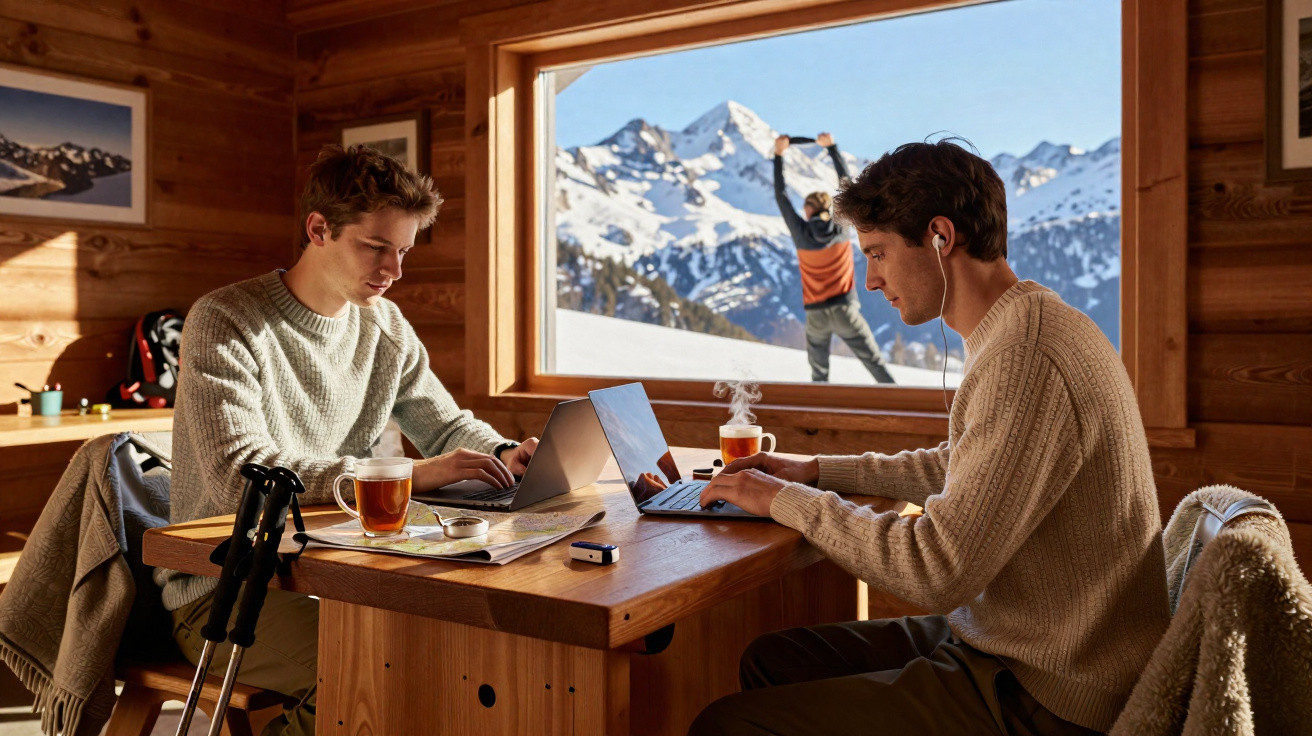
A scheme currently running in South Tyrol sounds almost too good to be true for nature lovers: spend an entire month living in a remote mountain refuge in Stelvio National Park, surrounded by rugged peaks and crisp alpine air – and not only pay nothing, but receive money as well. The initiative is run by a research centre seeking volunteers prepared to relocate their everyday lives to the Italian Alps for four weeks.
What the Alpine project is really about
The project is being organised by Eurac Research, a research centre in South Tyrol. Its aim is to gain a clearer picture of how extended stays at high altitude affect the human body. Twelve women and men will therefore live for one month at the Nino Corsi refuge in Stelvio National Park.
The refuge stands at around 2,300 metres, surrounded solely by mountains, woodland and steep valleys. There is no traffic noise and very little distraction; instead, residents have views of snow-covered summits and clear, star-filled nights.
“A month of everyday life in a mountain refuge – not as a holiday, but as part of a medical study into the effects of altitude on the body and health.”
The opportunity is explicitly not intended for conventional holidaymakers. Researchers want to monitor people maintaining their usual routines – simply from the heart of the Alps.
Working, studying and living – at 2,300 metres
Those selected are expected to continue working or studying as normally as possible. Remote working, online lectures and digital meetings can all continue, with a mountain panorama replacing the open-plan office.
Volunteers will be provided with the necessary facilities: internet access, workspace options at the refuge, and basic food and accommodation. The intention is to avoid changing daily life completely, allowing the effects of altitude to be measured more accurately.
What the doctors measure
Medical staff will support the project throughout the stay, regularly recording a range of information, including:
- sleep quality and duration
- heart rate and blood pressure
- physical activity over the course of the day
- eating habits
- wellbeing, concentration and mood
Participants will complete questionnaires, may wear fitness trackers or other sensors, and will undergo medical checks. The findings will be used to draw conclusions about how a prolonged stay in thinner air affects otherwise ordinary people.
Who can apply – and who cannot
Eligibility requirements have been clearly defined to ensure that the results remain comparable. The study is seeking people who currently live at sea level, such as in coastal cities or low-lying areas.
| Criterion | Requirement |
|---|---|
| Age | 18 to 40 years |
| Health | good physical condition, no chronic illnesses |
| Place of residence | currently at sea level or at a very low altitude |
| Lifestyle | not heavy smokers, not elite athletes |
Among those excluded are heavy smokers, professional athletes and people with existing health conditions, such as cardiovascular disease. The researchers are looking for healthy, typical individuals without extreme physical demands or pre-existing conditions.
Accommodation, costs and payment
Participants do not need to fund the trip themselves. Eurac Research covers the full stay at the Nino Corsi refuge, including accommodation, meals and on-site medical supervision. Whether travel to and from the site is also included depends on the precise terms of the call for applications; these details are usually set out in the official application notice.
In addition, volunteers receive compensation of 400 euros for the full month. It will not make anyone rich, but it makes the month in the mountains more than simply a free stay.
“Free accommodation in a mountain refuge, medical supervision – and 400 euros on top: the project rewards participants not only with mountain views, but financially too.”
What makes the area around the refuge special
Stelvio National Park is one of the Alps’ largest protected areas. It spans several valleys and altitude zones, encompassing dense larch and pine forests, clear mountain lakes and imposing glaciers. The Nino Corsi refuge sits in the middle of this landscape.
Keen walkers will find numerous routes around the refuge: easy paths through the nearby valleys, more demanding trails towards the peaks, and crossings into neighbouring valleys. Although the study takes priority, there will be time outside work and measurements for short outings or simply sitting on the terrace and looking down into the valley.
Excursions in the surrounding area
Well-known places such as Merano and Bolzano are within reach. Anyone staying before or after the project can:
- try South Tyrolean food, including dumplings, smoked ham and local wines
- wander through historic centres with arcaded streets
- visit museums exploring Alpine history
- use cable cars to reach further viewpoints
The combination of untamed mountain scenery and culturally distinctive valleys makes the region one of the most appealing parts of the Alps for many people.
Why altitude places such heavy demands on the body
At 2,300 metres, air pressure is lower and the air contains less oxygen. The body has to adapt: the heart and lungs work harder, blood composition changes over time, and some people initially sleep less peacefully or feel more tired than usual.
These adaptation processes are precisely what interest the researchers. The results could, for example, help people plan mountain excursions more effectively, identify at-risk groups, or refine medical advice for longer stays in mountain regions. Such data is also relevant to the growing trend for remote working in the Alps.
Who the project is particularly suited to
The opportunity is chiefly aimed at people who:
- can work flexibly from home or study remotely
- enjoy being outdoors but can cope with simple conditions
- are open to medical examinations
- feel able to spend a month away from their usual environment
Anyone who has long considered moving to the mountains for a while is offered something of a trial run here – scientifically supervised and financially supported.
Opportunities, risks and everyday life between laptop and mountain trail
The greatest benefit is obvious: those selected can make a complete break from their normal routine without pausing their job or studies. Participants in similar projects often report sleeping better, concentrating more easily and seeing their routines differently once they return home.
At the same time, it remains challenging. The thinner air can initially cause headaches, tiredness or mild nausea. People with very active social lives may feel the distance from friends and family more strongly, even though digital contact is possible. Anyone reliant on consistently stable, ultra-fast internet should check in advance whether their requirements are realistic for a mountain refuge.
The project may also appeal to people reassessing their lifestyle. A month without a supermarket on every corner, with limited leisure options and a clearly structured daily routine, can reveal how little a person truly needs. Many people take simple habits away from such stays: more exercise, more mindful eating, and a clearer division between work and leisure.



Comments
No comments yet. Be the first to comment!
Leave a Comment