
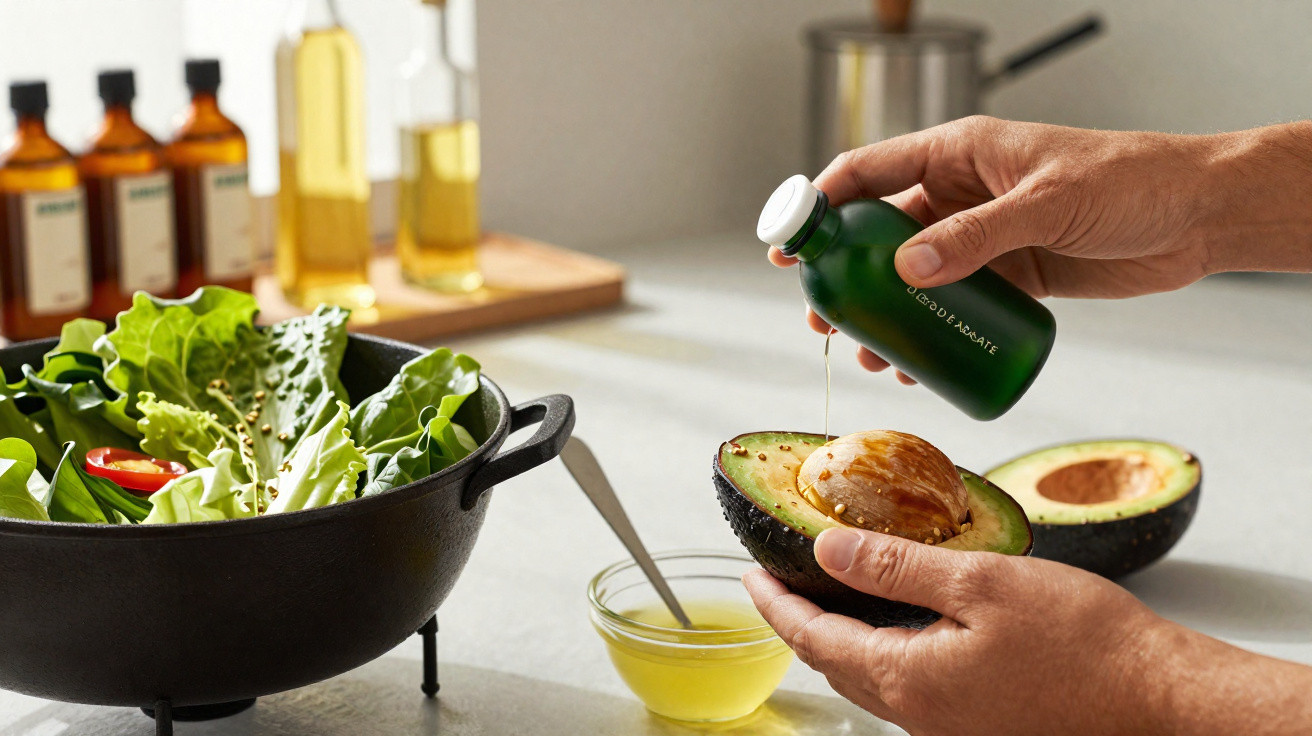
More home cooks are quietly reconsidering what they pour into the frying pan.
Olive oil has traditionally been seen as the gold standard for healthy cooking, but rising prices now mean many shoppers are making it last. An increasing number of nutrition experts highlight a less expensive competitor with comparable benefits, a high smoke point and a flavour that is already familiar to most people.
Why olive oil became the go-to “healthy” fat
For decades, olive oil has represented the Mediterranean way of eating: bright salads, leisurely lunches and fewer processed foods. Its strong reputation is supported by genuine nutritional qualities.
- It is made up largely of monounsaturated fats, which can support heart health.
- It provides antioxidants, including vitamin E and polyphenols.
- When it replaces saturated fats, it may support blood sugar control and weight management.
- Its flavour can make raw vegetables and uncomplicated meals more tempting.
This combination of beneficial fats and protective compounds has been associated with a reduced risk of cardiovascular disease in several population studies. Those who choose olive oil instead of butter, lard or heavily refined seed oils often have improved cholesterol profiles and lower inflammation.
Olive oil also makes a practical difference to meals. Its flavour generally combines fruity, faintly bitter and peppery notes. A little can lift a dull tomato, soften the bite of raw onion or add complexity to roasted vegetables.
Olive oil’s strength lies in a simple trade: it helps people swap saturated and ultra‑processed fats for a flavourful, plant‑based option.
The drawback is the cost. Weak harvests in southern Europe, severe weather and higher production expenses have driven olive oil prices beyond the reach of many households for daily use. In some supermarkets, particularly across Europe, bottles once set aside for “extra virgin” quality are now fitted with security tags.
The issue has therefore changed from “is olive oil healthy?” to “can you get similar benefits without paying a premium each week?” This is where a different fruit-derived oil has attracted attention.
The budget-friendly rival: avocado oil
Nutritionists are increasingly putting forward avocado oil as a useful substitute when olive oil becomes too costly. Nutritionally, the two oils are remarkably similar.
Both contain a high share of monounsaturated fats, belonging to the same group of “good” fats featured in heart-health guidance. Avocado oil also contains vitamins and antioxidant compounds, including vitamin E, which helps support cell protection and skin integrity.
For many households, avocado oil delivers the same type of heart-friendly fat profile as olive oil, but often at a lower cost per litre.
In terms of taste, avocado oil is usually mild, with slightly nutty and buttery notes. Unrefined varieties have a subtle avocado flavour, whereas refined options are neutral tasting. As a result, it can replace olive oil in recipes without significantly altering the finished dish.
High smoke point, fewer problems in the pan
A key benefit of avocado oil has little to do with its nutrition label: it tolerates heat well. Extra virgin olive oil is suitable for medium and medium-high temperatures, but it can begin smoking and degrading sooner than many people expect. Avocado oil, particularly refined avocado oil, generally has a higher smoke point, commonly given as around 200 °C (about 390 °F) or above.
This means home cooks can:
- Sear fish or tofu in a pan without continually worrying about scorching the oil.
- Roast vegetables at hotter temperatures to achieve deeper browning.
- Stir-fry rapidly while preserving clean flavours.
Avocado oil’s thicker consistency can also give dressings and marinades a luxurious feel, even in smaller quantities. This may help reduce total calories while retaining a satisfying coated mouthfeel.
How prices compare in everyday shopping
The price difference depends on the country and brand, though mid-range avocado oil is often cheaper than good-quality extra virgin olive oil in many UK and US supermarkets. Own-brand products and larger bottles can reduce the gap even more.
| Product | Type | Typical use |
|---|---|---|
| Extra virgin olive oil | Cold-pressed, strong flavour | Finishing dishes, salads, gentle cooking |
| Refined avocado oil | Filtered, mild flavour | High-heat cooking, baking, everyday frying |
| Unrefined avocado oil | Richer taste, greener colour | Dressings, dips, low to medium heat |
People who make avocado oil their everyday, all-purpose oil will often retain a small bottle of premium olive oil for finishing meals. This can make the more expensive oil last for months rather than just weeks.
Simple ways to use avocado oil in your kitchen
Bringing in a new cupboard staple may initially seem unfamiliar, but replacing olive oil with avocado oil rarely requires major adjustments. Most standard recipes adapt without difficulty.
1. A one-to-one swap in salads and dressings
For vinaigrettes, avocado oil can generally be substituted for olive oil in equal amounts. Mix it with lemon juice or a mild vinegar, then add mustard, herbs or garlic and whisk together. The result is often a little creamier, making it especially suitable for crisp lettuce, grated carrot and grain salads.
2. Roasting and frying at high heat
Its higher smoke point makes avocado oil a good choice for:
- Roasting potatoes at 200 °C for a crisp outer layer.
- Traybakes combining chicken and vegetables on one tray.
- Fast pan-fried foods, including halloumi, prawns and plant-based sausages.
Extra virgin olive oil remains suitable for low-heat sautéing, although many people now save it for dishes where its flavour is most noticeable, such as fresh tomatoes or grilled bread.
3. Baking and homemade snacks
Mild refined avocado oil works well in muffin, cake and bread recipes that specify vegetable oil. It is also suitable for homemade granola: lightly coat oats and nuts, add a sweetener, and bake until golden. The oil helps create crisp clusters without leaving an oily aftertaste.
Using a single, heat‑stable oil for both frying and baking simplifies the pantry and can reduce overall food waste.
Beyond cooking: avocado oil for skin and hair
Like olive oil, avocado oil is used in both food and personal care. Its fatty acids and vitamin content make it a common addition to DIY treatments.
Facial care and masks
Some people make a quick, rich face mask by combining a teaspoon of avocado oil with mashed flesh from a ripe avocado. Apply it to clean skin, leave it for around 10 to 15 minutes and rinse with lukewarm water. The blend commonly leaves dry skin feeling softer and less tight.
Its composition can suit many dry or mature skin types, particularly in winter or air-conditioned settings. Anyone susceptible to blocked pores usually tests it on a small patch first to assess their skin’s reaction.
Leave-in care for thirsty hair
When used in small amounts, avocado oil can serve as a light conditioning treatment. A few drops worked through damp lengths after washing may:
- Minimise frizz.
- Bring shine without making the hair stiff.
- Help shield the ends from everyday friction.
Certain products blend avocado oil with vitamin E and B-group vitamins to nourish fragile hair. Those with very fine hair often apply it only to the final few centimetres, preventing the roots from appearing heavy.
What nutrition science really says about “healthy oils”
Public discussion of fats often moves between two extremes, portraying oil as either a “superfood” or something to avoid. Research currently points to a more balanced view.
Olive oil and avocado oil are both sources of unsaturated fats. Replacing some saturated fats and industrial trans fats with these oils generally benefits heart health. However, both are still energy-dense: one tablespoon provides roughly 120 calories, regardless of the plant source.
The real shift comes less from choosing a heroic oil and more from using plant‑based fats instead of heavily processed or animal fats, while keeping portions reasonable.
Dietitians frequently recommend a straightforward review of what goes on toast, into the frying pan and into ready-made snacks. Swapping butter for avocado or olive oil in some of these situations, while reducing deep-fried foods, is usually more important than debating which cold-pressed label appears more fashionable.
Stretching your food budget without sacrificing health
The move from olive oil to avocado oil reflects a broader change: as food costs rise faster than wages, many households want to continue eating well. Reviewing fat choices can be a simple way to reduce costs without giving up much.
Several practical approaches follow from this trend:
- Make avocado oil the everyday workhorse for roasting and cooking.
- Reserve a small bottle of boldly flavoured extra virgin olive oil for finishing food.
- Purchase oil in quantities you can reasonably use before its “best before” date.
- Keep oils in a cool, dark cupboard to slow oxidation and retain their flavour.
This method can cut spending while promoting more considered use of fats overall. Once oil becomes a deliberate choice rather than a background ingredient, people are more likely to measure it, taste it and waste less.
For anyone wanting to take the idea further, nutrition specialists often advise looking at the overall meal pattern rather than oils alone. Including more pulses, whole grains and seasonal vegetables can lower the cost of each plate, steady blood sugar and work well with both olive oil and avocado oil. In this approach, “healthy fat” is one useful tool among many, rather than the diet’s central concern.






Comments
No comments yet. Be the first to comment!
Leave a Comment