
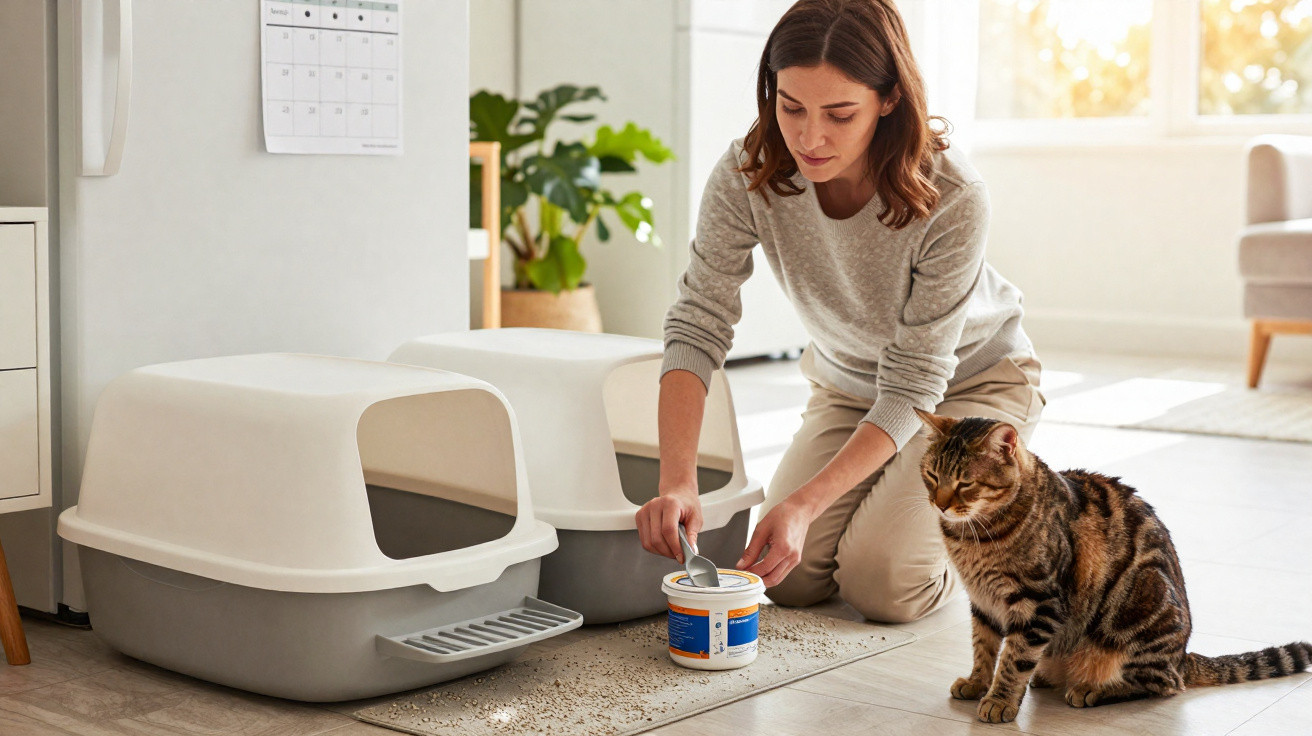
Many cat owners are convinced they understand their pets, but overlook one subtle feature of the home that can create everyday anxiety and friction.
In many homes, particularly those with several cats, the main source of conflict is tucked away on the floor in a corner: the litter box. Veterinary professionals warn that one straightforward mistake in this area can increase stress, affect health and disrupt the relationship between cats that are otherwise friendly.
Why the litter box sits at the centre of a cat’s world
To people, a toilet is simply a practical facility. Cats see the litter box as one part of a much broader territorial layout. Their environment is divided into areas for sleeping, playing or hunting, observing, eating and eliminating. This final area has a strong emotional significance, combining privacy, vulnerability and scent communication within one small tray of litter.
If multiple cats are expected to use a single tray, access to it can become a quiet contest for control. A self-assured cat may sit in the hallway, linger by the entrance or merely fix a nervous housemate with a stare as it approaches. The intimidated cat may appear unaffected, but its routine alters: it delays going, pauses at the entrance or slips off to toilet somewhere else.
Cats rarely “misbehave” around the litter box out of spite. They react to a space that feels unsafe, contested or dirty.
To an observer, there may be no obvious issue. There are no fights or dramatic yowls. However, a cat that is repeatedly prevented from access may retain urine for too long, dart into and out of the box, or use a rug, sofa or pile of washing instead. This unease can affect the whole group, often without owners connecting it to the litter area.
Providing options changes the situation. With several trays positioned around the home, every cat can choose an approach that feels safe. The more dominant cat can no longer guard all the choices at once. This modest adjustment can remove an underlying pressure that might otherwise persist for years.
The early warning signs your cat gives you
Wee on the bed or faeces behind the television can seem like revenge to many owners. Vets and behaviourists interpret it differently: as a request for help. The warning signs generally fall into three main categories.
- Toileting beyond the box, spraying on upright surfaces, or making extremely short visits followed by a rapid escape.
- Chasing at doorways, irritated swipes in hallways, or unexpected confrontations close to the toilet area.
- Changed habits around drinking, hiding, sleeping near exits, or anxious meowing in or near the tray.
An unsuitable toilet arrangement affects far more than soft furnishings. Ongoing stress triggers hormones that may aggravate urinary conditions, bladder inflammation, digestive problems and skin disease. After a cat develops the association that “litter box = danger”, changing that perception requires time and patience.
The golden rule vets repeat: one box per cat… plus one
Ask five feline experts about litter provision and the same guideline is likely to emerge. Start with the number of cats, then add one. Two cats require three boxes, while three cats require four. This can appear excessive in a compact flat, but research and clinical practice support the same conclusion: extra boxes reduce conflict, lower the number of accidents and reassure insecure cats.
Where the boxes are placed matters just as much as how many there are. Four trays arranged in a row in one utility room still function as one resource. A confident cat can control the entire area simply by occupying the doorway. Distributing boxes around the home establishes multiple toilet sites and prevents this monopoly.
| Number of cats | Recommended number of boxes | Minimum separate locations |
|---|---|---|
| 1 | 2 | 2 |
| 2 | 3 | 2–3 |
| 3 | 4 | 3–4 |
Think in “sites”, not in plastic boxes: several trays in one cramped corner count as one resource in a cat’s head.
Every site should be positioned along a separate route through the house, rather than at a dead end where a cat could be cornered. A worried cat needs at least two secure ways to enter and leave. This one consideration can prevent ambushes before they start.
Small apartments, big tensions: smart fixes that actually work
City living often means families have limited room. That does not mean they need to tolerate constant spraying, fights or concealed cystitis. A handful of thoughtful choices can make the available space work harder.
- Pick trays that are long and shallow, rather than small, enclosed or box-shaped designs that hold in noise and odours.
- Place them in peaceful hallway corners, alcoves or a ventilated utility space, rather than beside a washing machine or noisy boiler.
- Choose several simple, easily cleaned trays in well-planned positions instead of elaborate multi-level “cat bathroom furniture”.
Self-cleaning trays are appealing to busy owners, and some cats use them happily. Others are unsettled by their sound or movement, even if the cleaning cycle is delayed. Vets regularly encounter the same situation: a household spends heavily on a technological solution but still finds urine on the sofa because one machine in one room is the only option.
Automatic trays may support cleanliness and odour control, particularly in studio flats, provided they do not take the place of the essential rule on quantity and distribution. Plenty of cats quietly favour a plain, open tray without any moving components. Their behaviour, rather than claims on the packaging, should determine the final decision.
Getting the setup right: small details, big pay-off
Location
Cats appreciate consistency. An ideal site is peaceful, separated from food bowls and sleeping areas, and away from busy foot traffic. A door opening unexpectedly, a cupboard banging or children rushing past can make an otherwise suitable location one a cat avoids.
In homes with several cats, do not create bottlenecks. When a tray is at the far end of a narrow corridor, a more confident cat can control access just by lying across that section of floor. Corners with two escape routes, or rooms with multiple doorways, are more suitable.
Size and shape
Many shop-bought trays are barely large enough for an adult cat. A cat should be able to enter, turn around freely and dig without striking the sides. Storage boxes with low entrances cut into them can often be more effective than conventional pet-shop trays.
Age and mobility also matter. Kittens, senior cats and cats with arthritis require lower edges or an entrance cut-out. If climbing into the tray is painful, some cats avoid it and hold their urine, increasing the chance of painful urinary problems.
Litter texture and smell
Highly fragranced litter may please people, but not cats. Most cats favour a fine, unscented material that clumps well and produces minimal dust. A litter depth of 5 to 7 centimetres gives them enough material to dig, cover and level the surface comfortably.
An abrupt change of brand can disturb sensitive cats. Vets commonly recommend changing gradually by adding small amounts of the new litter over one or two weeks. Noting which tray a cat uses provides immediate insight into its preferences.
Cleaning routine
A soiled tray can be as intimidating as a corridor controlled by another cat. Removing clumps and faeces at least daily prevents this. Replacing all the litter and cleaning the tray routinely with mild soap is also helpful.
A predictable cleaning pattern reassures cats: the bathroom smells like them, but never overwhelms them.
Strong disinfectants and harsh chemical scents can deter some cats, even if the tray looks perfectly clean. Warm water and a gentle detergent generally provide the right compromise between comfort and hygiene.
Reading your cats, not the packaging
Every cat in a household has its own temperament and past experiences. An outgoing, confident tom may manage shared toilet sites without difficulty, whereas a timid rescue cat may stay close to the edges of a room and need a secluded corner tray to feel at ease.
Daily movement patterns reveal more than advertising language. If one tray is consistently unused, consider the reason. Perhaps the route passes a loud fridge, or the box is too dark or restrictive. An inexpensive alternative in a better location can frequently resolve what seemed to be a serious behavioural issue.
If thoughtful adjustments to the layout and number of trays do not stop accidents, vets recommend an examination. Conditions including bladder stones, kidney disease, diabetes and arthritis can first appear as apparent litter box “misuse”. Prompt treatment safeguards both the cat’s health and harmony at home.
Outdoor access does not cancel indoor stress
Many owners believe cats with access to a garden will take care of toileting outdoors. Indoor trays are then removed, along with an important fallback option. Rain, frost, unfamiliar neighbourhood cats and territorial boundaries can all restrict where a cat feels secure enough to urinate or defecate.
Indoor trays provide a backup. On stormy evenings, during fireworks or after a new cat arrives next door, a clean, quiet indoor box can prevent uncomfortable urine retention and accidents in inconvenient places. This choice is even more important for older cats and those with limited mobility.
Beyond the box: wider lessons from litter behaviour
Litter habits can reflect a cat’s broader emotional state. For instance, a cat that starts spraying walls following a house move may be signalling general insecurity, rather than only reacting to a dirty tray. Powerful scents in shared areas act as noticeboards between cats, communicating status, stress or the arrival of newcomers.
Viewing the box as part of a wider territorial map encourages useful questions. Where do the cats sleep? Which windows do they choose? Do they have elevated perches as well as places to hide? Changes in these areas can sometimes ease bathroom-related tension too, because they alter who is able to control each part of the home.
For households with anxious cats or animals that have previously been mistreated, changes to the litter box can also help restore trust. A timid cat given a secure, quiet place to eliminate often begins playing more, grooming more and seeking gentle interaction. The bathroom can become an indicator of overall well-being, rather than merely a matter of hygiene.





Comments
No comments yet. Be the first to comment!
Leave a Comment