
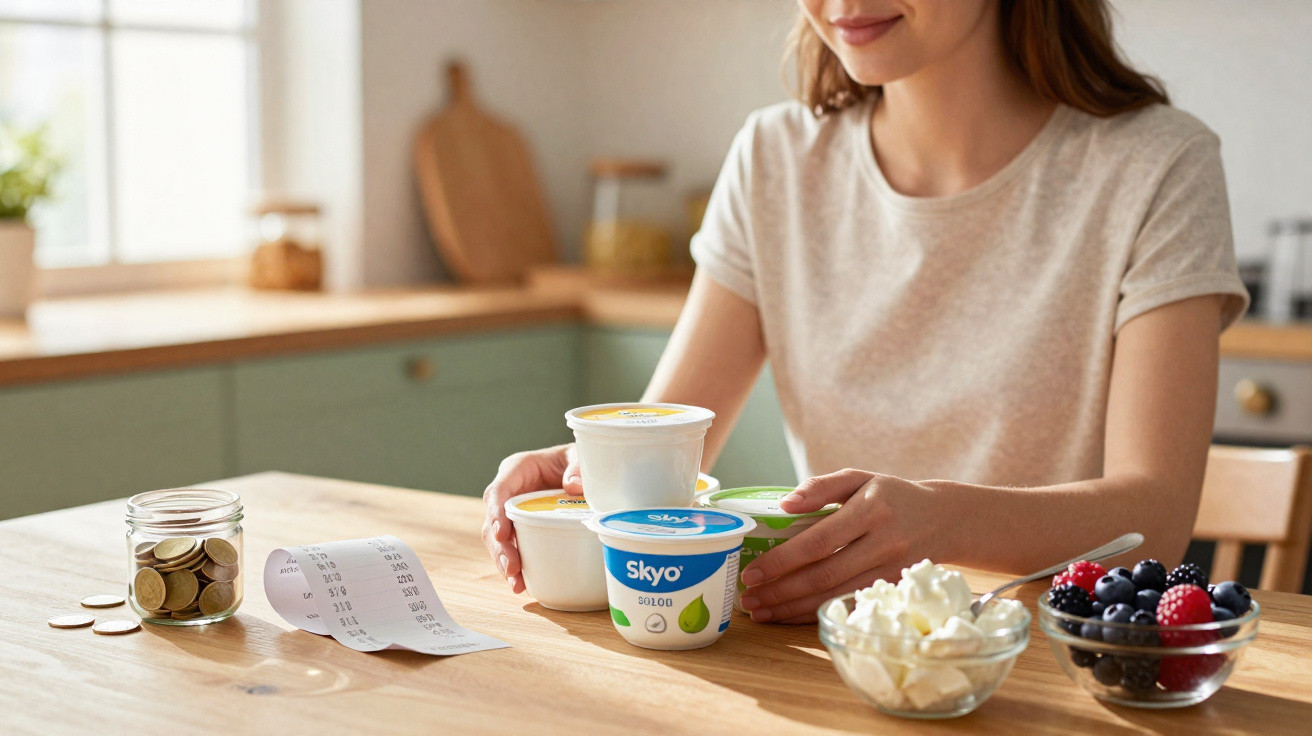
Supermarket dairy shelves are full of “high-protein” claims, yet an understated low-cost product is beginning to attract attention.
Although fashionable Icelandic skyr continues to dominate social media feeds and breakfast bowls, French nutrition experts are highlighting a far cheaper Lidl staple. They say it provides a comparable protein boost, a creamier consistency and a more affordable price.
Skyr’s protein credentials – and its drawback
Skyr’s popularity rests largely on one key feature: its exceptionally high protein level. Typically, skyr contains about 10 grams of protein per 100 grams, which is approximately twice as much as standard French-style fresh cheese or many conventional yoghurts.
This concentration of protein is attractive to people who go to the gym, those dieting and anyone wanting to stay satisfied for longer between meals. Protein helps maintain muscle, contributes to steadier blood sugar levels, and is involved in hormone production and immune function.
The downside is its cost. Across many European supermarkets, branded skyr can readily cost more than €8 per kilogram. For households dealing with rising food prices, a regular skyr breakfast may become an occasional luxury instead of an everyday choice.
High protein doesn’t have to mean high prices. That’s where Lidl’s own-brand fresh cheese comes in.
The Lidl fresh cheese nutritionists recommend
French nutrition professionals have drawn attention to a particular item in Lidl’s chilled range: Envia fresh cheese, sold in small pots under the supermarket’s own brand.
A French nutrition doctor describes these fresh cheeses as offering “as much protein as a skyr-type fresh cheese”, placing their protein content in a similar category.
Two small pots of Envia fresh cheese supply roughly 10.8 grams of protein. This is very close to skyr per serving, but it costs considerably less: about €1.40, which is often around half the price of getting the same amount of protein from branded skyr.
The Lidl Envia fresh cheeses deliver roughly skyr-level protein at roughly half the price, according to French nutrition experts.
Protein and calories: the figures compared
Nutritionally, Lidl’s product falls between quark-style foods and traditional full-fat soft cheeses. Its calorie count is higher than that of many skyr brands because it contains slightly more fat, giving it a silkier texture.
| Product | Protein (per 100 g) | Calories (per 100 g) |
|---|---|---|
| Skyr (typical) | ≈ 10 g | ≈ 50 kcal |
| Lidl Envia fresh cheese | ≈ 10–11 g* | ≈ 85 kcal |
*Two small pots provide about 10.8 g of protein, according to the quoted dietitian.
Most of the additional calories come from fat. This also makes the cheese creamier and potentially more satisfying at breakfast. For many people, that is a worthwhile exchange, since a more filling meal may reduce the urge to snack later in the morning.
Using Lidl fresh cheese in sweet and savoury dishes
Nutritionists also value this product because it is so flexible. Rather than behaving like a flavoured dessert, it is closer to a neutral fresh cheese, making it suitable for both sweet and savoury recipes.
Common ways to serve Envia fresh cheese include:
- Breakfast bowl: add granola, seeds and fresh fruit for a balanced start to the day.
- On toast: spread it over wholemeal bread with herbs, cherry tomatoes or sliced radishes.
- Egg dishes: mix it into an omelette mixture or fold it through scrambled eggs to add protein and creaminess.
- Snack option: eat it plain with a little honey or a spoonful of jam for a quick yet filling choice.
Its flavour is mild and fresh, so it readily takes on the character of the ingredients served with it. This makes it a practical foundation for light desserts as well as savoury dips.
Why dietitians favour products like Lidl Envia fresh cheese
French dietitians who suggest Lidl fresh cheeses point to them as a straightforward way to increase daily protein consumption without detailed meal planning. Athletes often calculate protein targets in grams per kilogram of body weight, whereas many non-athletes simply do not eat enough protein at breakfast.
Eating two small pots of fresh cheese can help close that gap with minimal effort. When paired with fibre from fruit or whole grains, it can provide steadier energy throughout the morning and help reduce cravings.
For budget-conscious shoppers, Envia fresh cheese offers a simple tactic: more protein at breakfast without wrecking the weekly shop.
Where the savings can make a difference
Branded high-protein foods are commonly sold at a premium and supported by prominent marketing. For students and families with limited budgets, these additional euros can mount up quickly.
Choosing own-label dairy products such as Lidl’s Envia range can substantially reduce the price paid for each gram of protein. In practical terms, this may mean:
- Including protein at breakfast every day rather than only from time to time.
- Leaving more money for other nutritious foods, including fresh vegetables, fruit and whole grains.
- Relying less on ultra-processed snack bars promoted as “high-protein”.
Nutritionists frequently emphasise that protein need not come from fashionable or strongly branded products. Everyday foods including dairy, eggs, pulses and tinned fish can often offer better value.
What “fresh cheese” actually means
In French supermarkets, fresh cheese means a soft, unripened cheese produced from milk or cream. The concept is comparable with quark, smooth cottage cheese, or thick Greek-style yoghurt, although the precise texture differs between brands.
Lidl Envia fresh cheeses belong to this category. They are generally mild, faintly tangy and easy to eat with a spoon. Since they are not matured in the way brie or cheddar are, their taste stays light and adaptable.
Anyone monitoring their fat intake should read the label, as certain fresh cheeses include added cream. In the example cited by French experts, the increased fat content accounts for the higher calorie total compared with skyr, while also creating a creamier feel in the mouth.
Who could benefit most from this Lidl swap?
Replacing skyr with a less expensive fresh cheese may be especially suitable in several circumstances:
- People prioritising satiety: A modestly higher fat content may prolong fullness and cut down on grazing.
- Households keeping food costs under control: The cost per gram of protein is more favourable than for many branded dairy pots.
- People who dislike skyr’s texture: Some consider skyr overly dense or chalky, while fresh cheese is usually softer and creamier.
For strict calorie counters focused chiefly on losing weight, skyr may remain appealing because it is less energy-dense. For others, Lidl’s option offers a sensible compromise: substantial protein, reasonable calories and a price that is less painful.
Practical breakfast ideas
A useful way to apply this information is to reconsider an ordinary weekday breakfast. Many Europeans still begin the day with white bread, butter and jam, or with sugary cereal. Such meals offer quick carbohydrates and little protein, which may result in an energy dip by mid-morning.
Swapping part of that breakfast for a serving of Envia fresh cheese changes the balance. For instance:
- 1–2 pots of fresh cheese
- 1 piece of fruit, such as an apple, berries or a small banana
- A spoonful of oats, granola or nuts scattered over the top
This quick bowl increases protein and supplies fibre without taking long to prepare. Across a week, its cost remains similar to that of a packet of cereal, while its satiety and nutrient density are considerably greater.
Another option is to turn the cheese into a savoury spread. Stirring in chopped herbs, a pinch of salt and a little lemon creates a topping for toast or crackers. It can replace processed cheese slices or cold cuts, lowering the consumption of additives and salt.
Weighing up the benefits and limitations
Dairy protein sources such as Envia fresh cheese will not suit everyone. People with lactose intolerance or an allergy to cow’s milk protein should avoid them or restrict their intake. Others may select plant-based products for ethical or environmental reasons.
For people who tolerate dairy, this Lidl product can be useful alongside other inexpensive choices such as eggs, lentils and tinned mackerel. Variety remains important: alternating animal and plant proteins supports a wider range of nutrients.
Sugar is another consideration. A number of high-protein yoghurts contain added sugar or flavourings. Plain fresh cheese has the advantage of letting you decide what to add. Fruit, cinnamon, unsweetened cocoa or a small drizzle of honey can keep sweetness under control without losing the protein benefit.
By highlighting Lidl Envia fresh cheeses, nutrition experts are making a broader point: eating well does not require fashionable products. Reading labels carefully and adopting a few simple kitchen habits can allow ordinary supermarket staples to provide similar benefits for a fraction of the price.





Comments
No comments yet. Be the first to comment!
Leave a Comment