
An elderly man dismissed the walking frame as though it had offended him. Beneath the unforgiving fluorescent lights of a geriatric clinic corridor, a nurse patiently held out the metal frame and urged him to use it. With unexpectedly strong resolve, he pushed it aside. “I’m not furniture yet,” he muttered. His daughter sighed and rolled her eyes, caught between concern and respect. The doctor checked his notes: 101 years old, a triple bypass, and three prescriptions he repeatedly “forgets” to take.
His medical record suggests fragility. Yet in his own mind, he remains the man who repaired his roof at 80.
It is precisely this divide between clinical reasoning and the reality people live that is drawing the attention of longevity experts.
They are discovering that centenarians are approaching ageing in a very different way from what most of us assume.
Why the oldest old value freedom above flawless health metrics
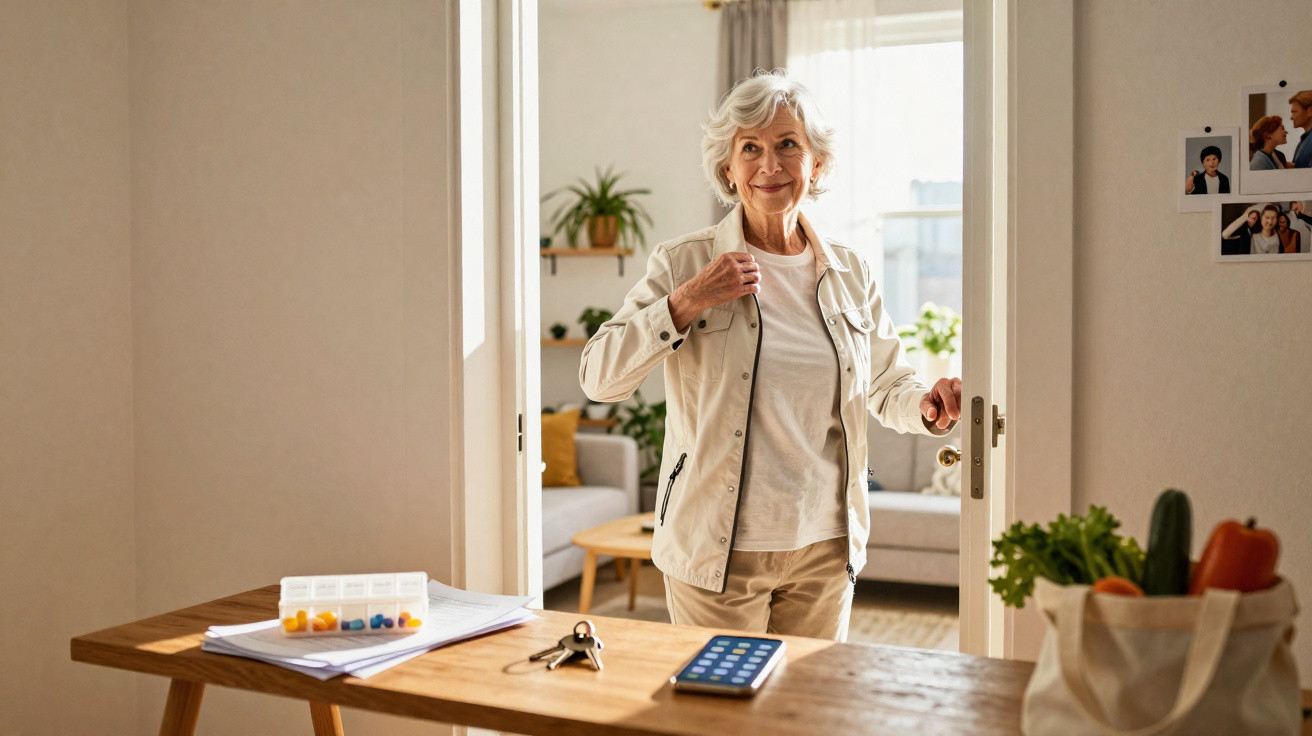
Ask a 30-year-old about ageing healthily and the answer is likely to include blood tests, wearables and biohacking podcasts. Ask someone aged 100, however, and their wishes are often much simpler: “I’d like to stay in my own home.” “I want to go to the bathroom alone.” “I don’t want to bother my children.” The focus moves away from sheer lifespan and towards control over life.
Researchers studying longevity who spend time with centenarians repeatedly encounter the same theme. Medical optimisation has its place, certainly, but autonomy - even in the smallest everyday actions - quietly becomes the highest priority.
In Sardinia, one of the world’s well-known “Blue Zones”, a researcher observed a 102-year-old shepherd determined to feed his goats without assistance. He moved slowly with the support of his stick and declined his grandson’s outstretched arm. Although the task took twice as long and the possibility of falling was genuine, his expression carried the determined pride of someone doing it on his own terms.
Doctors in Okinawa, Japan, recount comparable experiences: women aged over 95 preparing basic meals, folding their laundry and watering plants in compact gardens. On paper, they are vulnerable. In everyday life, they remain the people making the decisions. That contradiction continues to intrigue longevity scientists.
Why is the desire for autonomy so powerful? Identity is one reason. After living for a century, a person’s sense of self has been formed by decades of believing, “I can handle it.” Handing every decision over to medication timetables and reminders can therefore feel like a subtle form of erasure. Psychological resilience is another factor. Being able to choose what to wear, when to eat and whether to have a nap preserves a small but meaningful sense of control.
Researchers find that people who retain even a narrow degree of independence often display greater motivation, a better mood and unexpectedly strong physical stamina. Medical optimisation may look orderly in a chart. Autonomy, however untidy, strengthens the determination to continue.
Everyday choices that can safeguard autonomy in later life
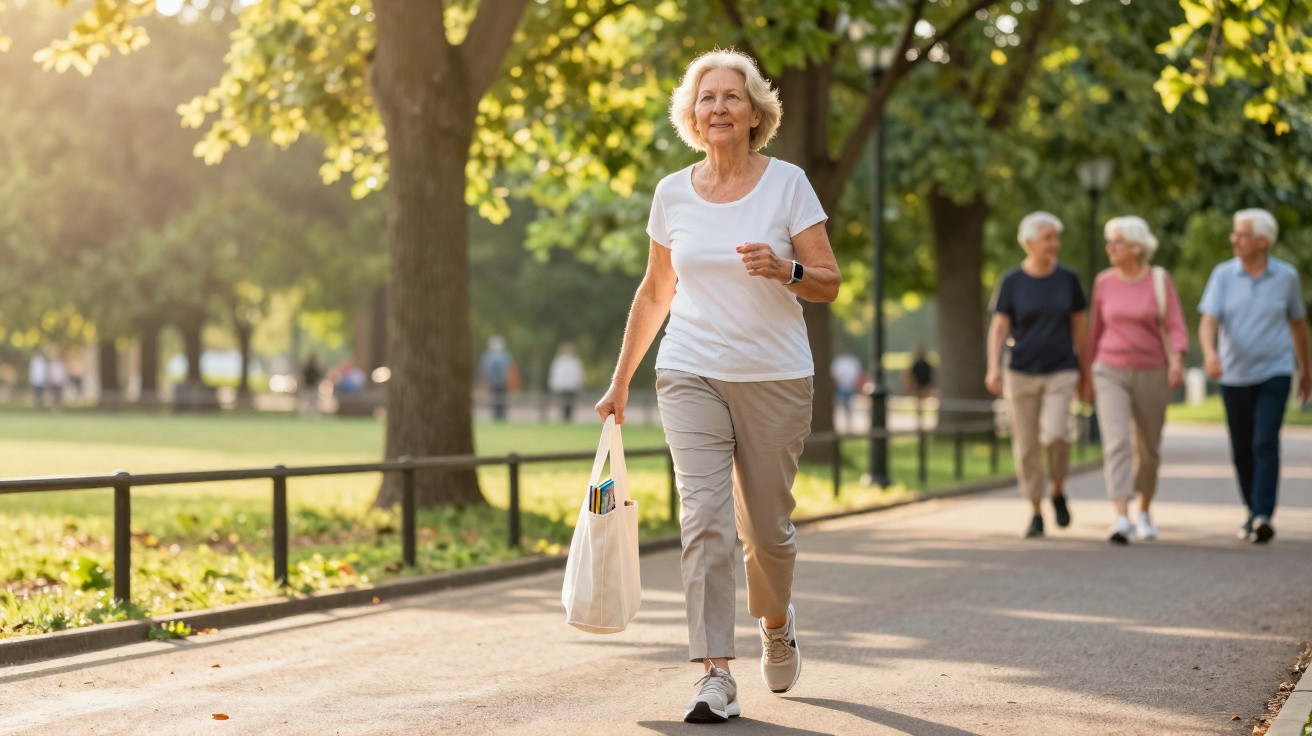
Longevity experts who genuinely listen to centenarians are changing their guidance. Rather than concentrating solely on biomarkers, they increasingly discuss “future autonomy training”. This may involve practising getting up from the floor unaided, building leg strength through slow, controlled squats, or walking to the local shop rather than ordering groceries online. These habits may not look impressive, but they directly protect the abilities older adults are most afraid of losing.
Think of it not simply as preparation to live longer, but as a way to retain the right to say “I’ll do it myself” for a few additional years.
The most frequent error among younger adults is choosing intense routines that cannot be maintained. There may be a short spell of heroic gym sessions, costly supplements and elaborate meal plans, all of which unravel after one demanding week. Most of us know the point at which a carefully designed health plan disappears beneath a mountain of emails and late-night snacks.
Centenarians’ lives seldom resemble that pattern. Their habits tend to be straightforward, repetitive and almost dull: walking to visit a neighbour, tending a garden or taking the stairs because there is no lift. There is nothing there to show off on Instagram, yet these routines do everything to maintain practical independence.
At a conference on ageing well, longevity geriatrician Dr Louise Aronson put it this way:
“The people who reach 100 don’t talk to me about perfect cholesterol. They talk about whether they can still decide what happens in their own day. Autonomy is the real luxury good of old age.”
This change in perspective can be turned into practical foundations:
- Put leg strength ahead of six-pack abs: walk, use stairs and practise chair stands.
- Work on balance regularly: brush your teeth while standing on one leg, try gentle tai chi or walk slowly heel to toe.
- Continue using your hands: cook, garden, carry out small repairs and write by hand.
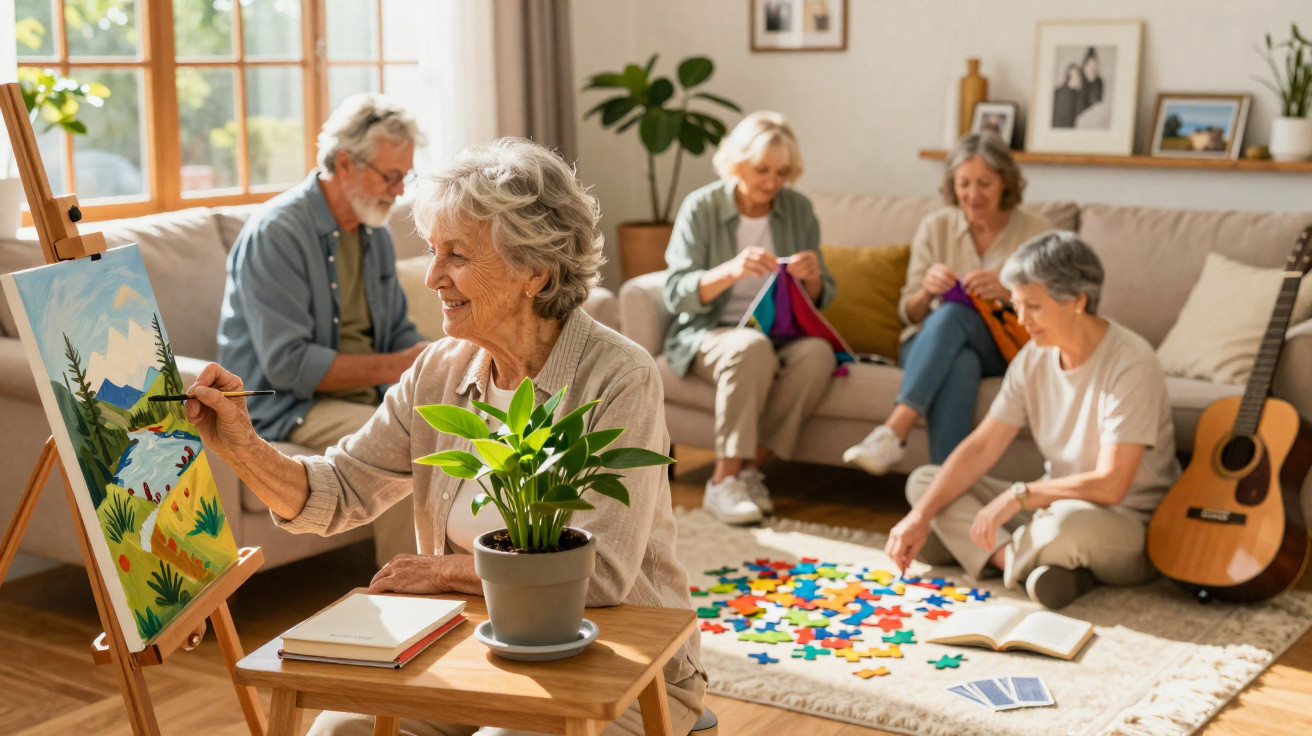
- Remain socially involved offline: make visits, join clubs or have coffee with neighbours.
- Adapt your home for “future you”: reduce hazards, improve lighting and keep shelves within reach.
Realistically, nobody manages all of this every day. Even so, imperfect regularity creates a foundation for the autonomy centenarians work so hard to keep.
Rethinking what “aging well” means for us
In media coverage, longevity often resembles a technological competition involving miracle molecules, age-reversal studies and blood tests with complex acronyms. But sitting with a 99-year-old whose main wish is to keep selecting her own clothes strips away that noise. It raises another question: are we optimising for a longer life on paper, or for continued control over the small details that make us feel like ourselves?
That question does not apply only to people aged over 80. It also matters to anyone accumulating health apps while allowing convenience to take over an increasing number of daily tasks.
When centenarians discuss regrets, they rarely say they wish they had done more cardio. More often, they speak of losing their roles: no longer being the host, the fixer or the person others contact. Autonomy is not limited to walking without help; it also means having a role in the story of other people’s lives. This may explain why many of the world’s longest-lived people are still needed by somebody, whether a grandchild, neighbour or community group. A frail body can still hold a strong sense of purpose when its owner feels they retain a voice.
Perhaps the more useful longevity question is not “How can I live to 100?” but “What might help my future self keep deciding what happens during the day?” This does not require rejecting medical care or missing check-ups. Instead, it means assessing each optimisation against a straightforward measure: does it expand or reduce my ability to act, move and choose?
For some people, this could mean using fewer apps and climbing more stairs. For others, it may mean fewer miracle-sounding shortcuts and more calm, repeated movements that keep the body functional. Small acts of self-reliance today can be thought of as letters posted forward in time to the older person you will become.
| Key point | Detail | Value for the reader |
|---|---|---|
| Autonomy outranks optimisation | Centenarians commonly place more importance on remaining independent than on achieving perfect laboratory results | Helps you redirect health goals towards practical freedom in daily life |
| Train for future independence | Prioritise leg strength, balance, hand use and social roles | Provides specific steps that can help protect autonomy later in life |
| Redefine “aging well” now | Use medical tools, while assessing them by how well they support day-to-day control | Encourages a more realistic, human-centred view of longevity |
FAQ:
- Question 1 Why do longevity experts say centenarians prioritise autonomy?
- Answer 1 Studies and conversations indicate that people aged over 100 speak much more often about remaining at home, moving independently and avoiding becoming a burden than about living longer at any price. Their greatest concern is usually the loss of control over daily life.
- Question 2 Does this mean medical optimisation should be ignored?
- Answer 2 No. Preventive healthcare, medicines and monitoring can all help sustain autonomy. The important point is to treat them as ways of protecting your ability to act and choose, rather than as ends in themselves.
- Question 3 Which habits now have the greatest effect on future autonomy?
- Answer 3 Activities that maintain leg strength and balance, consistent social interaction, and surroundings that encourage you to complete tasks yourself rather than outsource everything.
- Question 4 How can families honour an older person’s autonomy without putting them at risk?
- Answer 4 They can agree on “safe independence”: make adjustments to the home, provide unobtrusive help and allow the older person to make as many choices as possible, even if tasks take longer or are done imperfectly.
- Question 5 Is this emphasis on autonomy simply stubbornness in later life?
- Answer 5 Apparent stubbornness often reflects a profound need to protect identity and dignity. For many centenarians, being able to say “I can still do this” matters more than having strictly optimised health figures.



Comments
No comments yet. Be the first to comment!
Leave a Comment