
The room was alive with chatter well before the first track played.
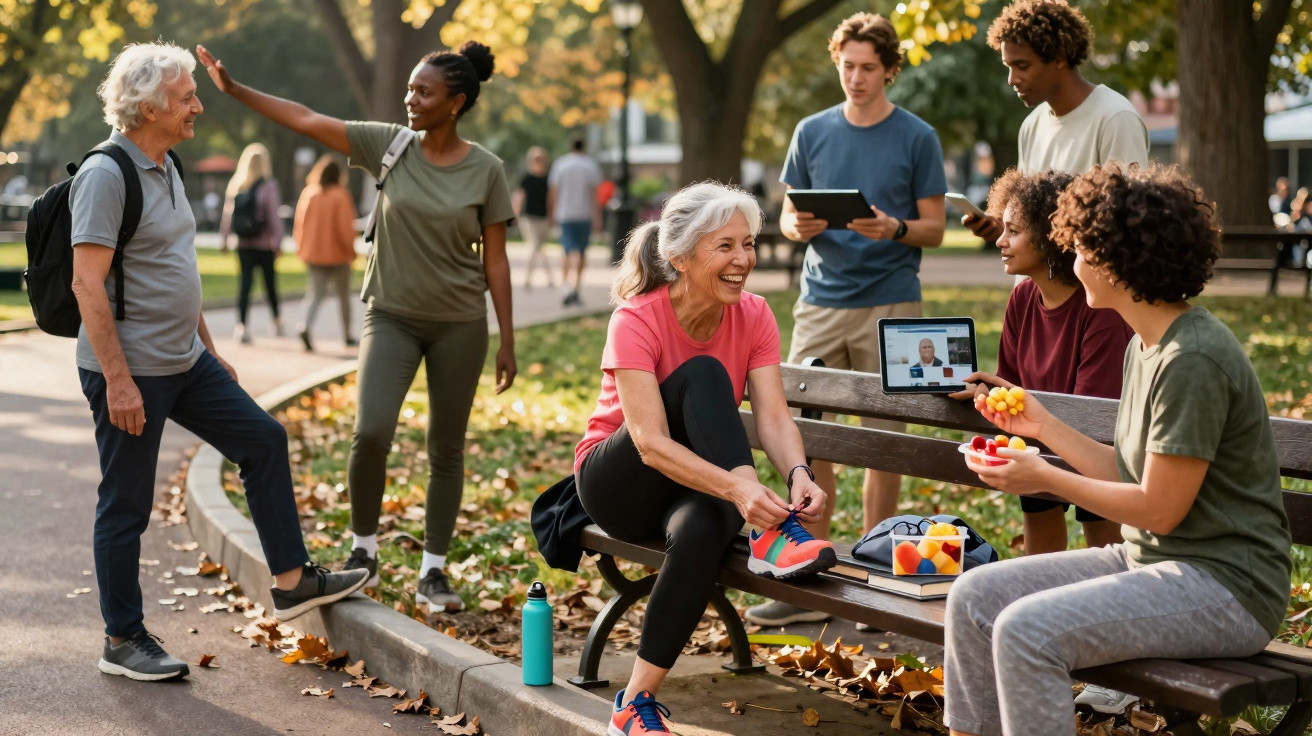
In a community centre on the outskirts of town, men and women in their sixties and seventies were taking their first salsa lesson. A few glided through the moves naturally. Others whispered the count to themselves, with tight shoulders and their gaze fixed on their shoes. At the back, a silver-haired woman with an untidy bun laughed so much that she briefly had to stop and steady herself against the wall.
Once the lesson ended, everyone gathered around plastic tables to recover their breath. Retirement plans were nowhere in the conversation. Instead, they discussed smartwatches, walking routes, grandchildren, aching knees, green smoothies and better sleep. They were not attempting to become young again. Rather, they were working out something far more important: how to remain completely themselves for as long as they could.
That is where the true art of aging well begins.
The understated strength of a longevity mindset after 60
Aging well seldom resembles the polished images found in wellness magazines. More often, it is visible in modest, determined decisions: choosing the stairs over the lift, trading a late-night television marathon for proper rest, or entering an unfamiliar class full of strangers. A healthy longevity mindset is not about pursuing youth; it is about treating your independence as your most valuable possession. Because it is.
After 60, the difference between people who remain energetic and those who gradually make their lives smaller is not solely genetic. It also comes down to mindset habits practised day after day, particularly when motivation is low. A mind that is curious and proactive encourages forward motion. One that is fearful and resigned quietly applies the brakes. The body tends to follow the story it hears most often.
In Okinawa, one of the world's well-known “blue zones”, centenarians do not focus on anti-aging routines. They speak about purpose, gardens, neighbours and daily movement as an ordinary part of life. Harvard and Yale researchers have found that people who hold a positive view of aging live, on average, 7.5 years longer than those with a negative outlook. That is a greater effect than having low cholesterol or not smoking. A participant in a long-term study captured it in one sentence: “I’m old, not done.” Her legs had slowed down, but her diary had not.
Why is mindset so influential? Your brain is the control centre. If you quietly accept that “after 60 it’s all downhill”, you are much more likely to miss the walk, turn down an invitation, put off a check-up or avoid learning a new skill. Eventually, this becomes a self-fulfilling prophecy. Muscles lose strength. Balance becomes less steady. Social networks become smaller. The alternative belief - “my choices still count” - encourages movement, connection and learning. This is how independence is safeguarded in everyday life, rather than through slogans.
10 daily habits that help you remain independent and vibrant
Habit 1: Move as though your future self is watching. This does not mean punishing exercise sessions, but steady, almost unexciting regularity. Take a brisk 20-minute walk, do light strength exercises twice weekly, or stretch while the kettle is boiling. Consider them “movement snacks” spread across the day instead of one dramatic effort. Your muscles are not concerned whether you exercise at a gym or in your sitting room. They simply respond when they are used.
Habit 2: Protect sleep as if it were a non-negotiable appointment. Not because a wellness guru recommends it, but because poor sleep after 60 can show its effects with startling speed: mental fog, irritability and a greater risk of falls. Create a straightforward routine with lower lighting, a cooler bedroom and no doomscrolling in bed. If you wake at 3 a.m. - as everyone does occasionally - try not to worry. Breathe, read something calming and treat your body like a friend doing its best.
Habit 3: Deliberately practise balance. Balance on one leg while cleaning your teeth. Walk heel-to-toe along the corridor. Take a tai chi or gentle yoga class once a week. Falls are among the greatest risks to independence after 60, yet balance can be improved at any age. Five minutes daily can reshape the way your brain and joints communicate. That quiet practice may be what allows you to keep dancing, driving and living independently at home.
There are also habits that slip in through the kitchen door. Habit 4: Eat to maintain strength, not merely to “be good”. Include protein with every meal to preserve muscle. Eat colourful vegetables for your heart and eyesight. Choose healthy fats for your brain. One 70-year-old reader said she stopped viewing food in terms of diets and began asking one simple question: “Does this meal help me walk up a hill in five years?” It transformed her plate more profoundly than any rule book had.
Many people get caught in the “all or nothing” trap. Monday brings salads, vitamins and no sugar; by Friday, there is pizza, regret and a decision to give up. The body does not require perfection; it requires patterns. Replacing a daily fizzy drink with sparkling water, putting beans in soup or using a smaller dinner plate may seem minor, even ridiculous. Across a year, however, such changes affect blood sugar, blood pressure and energy. That provides more stamina for outings, projects, grandchildren and late-night chats.
Habit 5: Be relentlessly curious. Learn unfamiliar names, apps and recipes. Enrol in the pottery class or online language course, even if you are convinced you will be “terrible”. Neuroplasticity does not retire at 60. Your brain thrives on novelty, and novelty supports resilience. Curiosity also prevents you socially from narrowing your world to what you already understand. It is difficult to feel old when you are a beginner at something that makes you laugh.
Habit 6 concerns a more delicate area: your social circle. In health terms, loneliness has been compared with smoking 15 cigarettes each day. One Tuesday afternoon in a small seaside town, I watched a group of older men put the world to rights in a café over two coffees and a shared slice of cake. They explained that this weekly tradition had survived two wives, three jobs and one minor heart attack.
We do not often acknowledge how uncomfortable it can be to make new friends after 60. On a difficult day, a community gathering may seem like a room filled with close-knit groups that exclude you. This is why Habit 7 may be the bravest one: attend anyway. Go to the walking group, choir or volunteer session, even if you only remain for an hour. On a good day, you will laugh and feel welcome. On a bad day, you will still have exercised the habit of not withdrawing into isolation. In time, those brief appearances create a safety net that supports you when life becomes difficult.
“The best time to build your support network was ten years ago. The second best time is this afternoon.”
Here is a straightforward checklist that many lively people aged 70+ follow without ever describing it as a “strategy”:
- One outing each week involving other people, such as a walk, class or market.
- One conversation lasting more than 10 minutes every day, even if it is by telephone.
- One small gesture of generosity: a message, a cake, a lift or a listening ear.
Let us be honest: nobody truly manages this every day. Life becomes complicated. Energy falls. That is all right. The aim is not perfection, but direction.
Aging well as a story you rewrite every day
Healthy longevity is not a finish line at 90, complete with flawless skin and no wrinkles. It is more like this: being able to rise from the floor without a struggle, carry your shopping, remember appointments without covering every surface in sticky notes, and having people to message when something amusing or frustrating occurs. Your future self, ten or twenty years from now, quietly appreciates the ordinary choices you make today.
We all recognise the point when the stairs seem longer than before, or when a friend's diagnosis makes age suddenly feel real. That moment can leave you frozen, or it can prompt you to act. The 10 habits that preserve independence after 60 are not glamorous. They involve walks, check-ups, balance exercises, bedtime routines and asking questions rather than keeping them inside. They include drinking a glass of water between glasses of wine, and saying “yes” to an invitation you nearly rejected.
The art of aging well is not so much about adding endless rules as selecting a few non-negotiables that genuinely suit your life. Your own list may be: move every day, eat for strength, get sufficient sleep, continue learning, remain connected, seek help early, organise your finances, have your hearing and eyesight checked, maintain your balance and deliberately make space for joy. None of this prevents vulnerability or mortality. It simply helps you remain as fully yourself as possible while you are here - mobile, curious and still in the driving seat.
| Key point | Detail | Benefit for the reader |
|---|---|---|
| Mindset first | A positive, proactive view of aging adds years and quality of life | Gives you a mental lever you can control today |
| Small daily habits | Movement, sleep, food, balance and social ties built up over time | Shows that modest, realistic changes outperform extreme plans |
| Protect independence | Prioritise mobility, cognition and connection over appearance | Helps you remain at home, active and self-directed for longer |
FAQ:
- What’s the single most powerful habit to start after 60? Regular movement that includes both walking and strength work. Even 10–15 minutes a day of intentional activity can shift balance, mood and long-term independence.
- Is it too late to build muscle in my late sixties or seventies? No. People in their eighties still gain strength and muscle with gentle resistance training. Start light, progress slowly, and get medical clearance if you have chronic conditions.
- How do I stay motivated when I feel tired all the time? Lower the bar. Pick habits that take five minutes, not an hour. Track small wins, involve a friend, and rule out medical reasons for constant fatigue with your doctor.
- Can mindset really change my physical health? Research suggests yes: beliefs about aging affect activity levels, stress, even recovery from illness. A hopeful, realistic mindset nudges you toward behaviours that protect your body.
- What if I already live with chronic illness? Healthy longevity doesn’t mean being disease-free. It means working with your reality: tailored movement, symptom-aware pacing, strong relationships and small daily choices that keep your world as wide as possible.



Comments
No comments yet. Be the first to comment!
Leave a Comment