
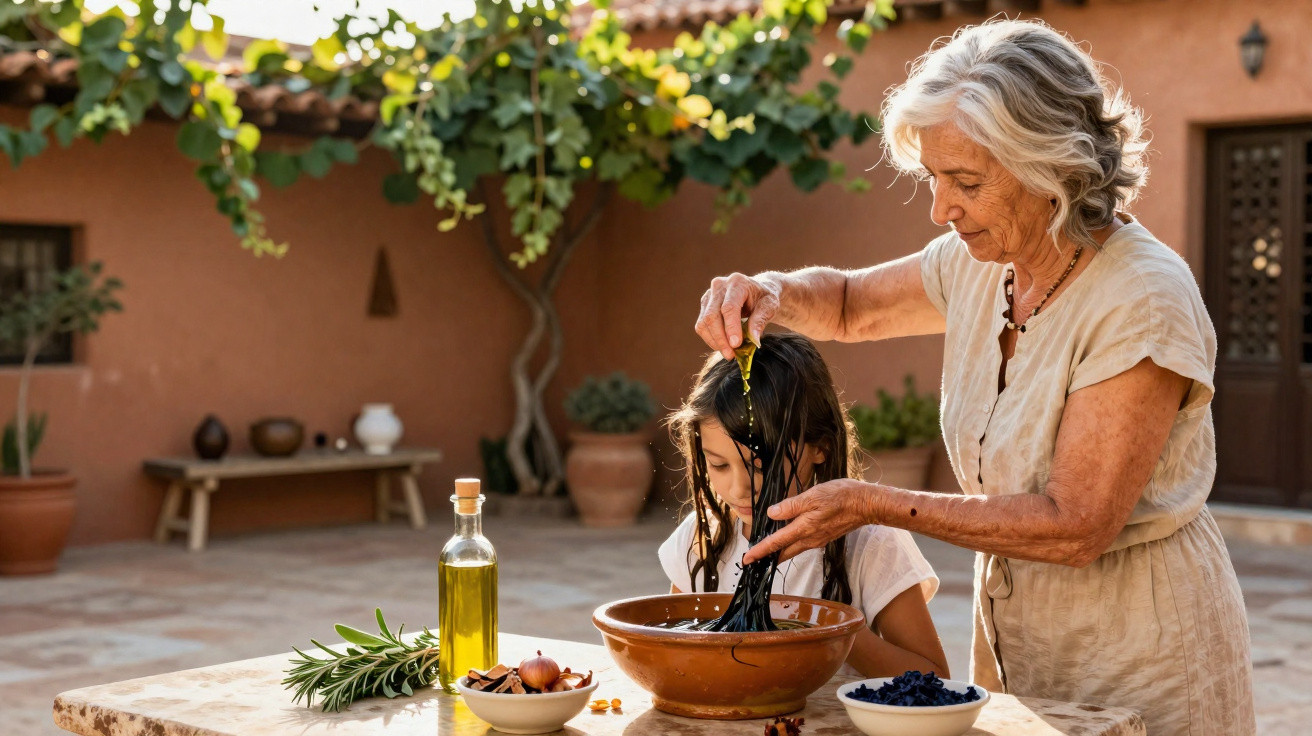
From herbs gently simmered in enamel pans to olive oil worked into the scalp, a discreet hair rebellion is taking place at home.
Throughout the Mediterranean, kitchen practices once written off as outdated are reappearing on bathroom shelves. They promise warmer tones and softer-looking greys without a bottle of chemical dye. Beneath their nostalgic appeal lies a blend of contemporary science, cultural heritage and mounting frustration with aggressive colour treatments.
What really happens when hair turns grey
Grey hair develops gradually, not overnight. Melanocytes - pigment-producing cells found at the bottom of every follicle - slowly cease functioning. Their store of stem cells diminishes, oxidative stress increases, and melanin production first slows before eventually stopping.
Studies from the last decade indicate that an internal bleaching process may be involved. Hydrogen peroxide appears able to build up within the follicle, harming the pigment-producing system. One 2021 study also indicated that acute stress may accelerate greying, while certain hairs could partly recover their colour after the source of stress has passed. Genetics still determines the overall timing, although lifestyle may influence it.
Diet and general health are also relevant. Low levels of vitamin B12, copper or iron, autoimmune disorders and smoking have all been associated with premature greying. Eating plenty of antioxidants and getting moderate sun exposure may limit oxidative damage in follicles, although neither can completely reverse the biological process.
The most realistic goal is not to stop greying, but to change how visible and harsh that transition looks.
The Mediterranean grandmother playbook
Rosemary and sage: herbal rinses that warm up dull tones
From northern Morocco through to southern Italy, rosemary and sage infusions are a familiar part of basic hair care. Used as a final rinse, they deposit a light coating of polyphenols and flavonoids along the hair shaft. This can enhance shine, give strands a fuller feel and lend naturally brown hair a faint golden or chestnut warmth.
At the scalp and fibre surface, these compounds work as mild antioxidants. Dermatologists do not consider them capable of genuine repigmentation, but they do recognise their potential to soothe less irritated skin and smooth the cuticle. That may be sufficient to make hair appear more reflective and textured rather than flat and grey-toned.
A typical method is straightforward:
- a small handful of fresh or dried rosemary and sage leaves
- steeping them in hot water for 10 minutes
- allowing the infusion to cool, then pouring it over clean hair as a final rinse without rinsing it away
The effect develops gradually, generally after several weeks of use one to three times weekly. It acts more like “tinting care” than a conventional dye treatment.
Walnut leaves and onion skins: plant tannins as natural stain
Walnut leaf decoctions have traditionally helped reduce the contrast between dark hair and stark white strands. Juglone, their colouring compound, works with tannins to adhere to the fibre’s outer layer and deepen its brown appearance. The result resembles tinted mascara for hair rather than all-over colour coverage.
For lighter hair, onion skins offer a comparable effect. Their high quercetin content produces an amber-coloured liquid which, when applied as a rinse, can shift blonde shades towards honey and softly disguise the earliest silver strands.
These methods stain the surface, fade over a few washes and strengthen with repetition, creating a low-commitment “filter” rather than a permanent change.
Sensitivity is the key concern. Juglone may irritate reactive skin, so carrying out a patch test behind the ear or in the elbow crease 48 hours before full use can help prevent unwelcome reactions.
Henna and indigo: between tradition and tricky chemistry
In North Africa and the Middle East, henna represents much more than body art. Lawsone, the pigment within the plant, bonds strongly with hair keratin, accounting for its lasting colour. Blended with indigo powder and sometimes amla, it can create rich brunette results that cover white hair remarkably effectively.
This option comes closest to salon colouring in effectiveness, although it performs differently. The finished shade depends greatly on the original colour, the blend itself and how long it remains on the hair. Hairdressers frequently highlight two concerns: unexpected undertones and the tendency of some hennas to bind to the fibre so firmly that later chemical colouring becomes difficult.
Traditional powders bulked out with metallic salts create an additional complication, as they may react poorly with oxidising dyes. Clearly labelled, pure henna and indigo avoid this issue, but purchasers should still inspect packaging carefully and choose reliable suppliers.
Olive oil, bay and vinegar: caring for scalp and fibre
Mediterranean hair routines are not solely about colour; they also focus on the way hair feels and catches the light. Olive oil, which contains squalene and polyphenols, is commonly used in pre-shampoo treatments. Applying a small quantity to the lengths and lightly massaging it into the scalp can limit breakage and help the cuticle sit more smoothly. A flatter surface reflects light more evenly, making grey hair immediately appear glossier and less coarse.
Rosemary- or bay-leaf-infused vinegar can be used as an acidic rinse to temporarily rebalance pH after exposure to hard water. It closes the cuticle more tightly and increases shine. Although the grey remains, it reflects light more softly, with an almost satin-like finish rather than a chalky appearance.
Nothing in these oils or vinegars changes the speed of greying, yet they change the story the mirror tells.
What works, what is ritual – and why people still care
Current evidence points to three principal outcomes from these preparations:
- reduced oxidation and irritation on the scalp surface
- light surface staining from botanical pigments
- improved cosmetic fibre condition, including greater shine and less frizz
They cannot restart melanocytes. Lasting colour changes come only from plant dyes such as henna and indigo, which work by coating and bonding with the hair rather than reactivating pigment cells.
Even so, those who take up these practices often describe a change in how they relate to their hair. Brewing an infusion or applying oil can become a brief weekly ritual. This slower, hands-on method contrasts with the fast, technical feel of many salons and aligns with the wider shift towards “low-intervention” beauty.
The Mediterranean lens: food, sun and slower ageing
These traditions did not arise by chance. They developed in settings where olive trees, fragrant herbs, nuts and pulses form part of everyday living. The same ingredients that define the Mediterranean diet are also applied to the scalp.
From a nutritional perspective, this way of eating provides plentiful antioxidants, beneficial fats and minerals including copper and iron. These nutrients support cellular function throughout the body, follicles included. Those brought up with this dietary pattern may not avoid greying, but they can experience lower levels of chronic inflammation, which may influence how hair and skin age.
| Mediterranean habit | Potential hair impact |
|---|---|
| Olive oil as main fat | Supports the scalp barrier and adds external shine when used in oil masks |
| Regular herbs (rosemary, sage, oregano) | Provides topical and dietary antioxidants |
| Frequent fish and legumes | Supplies protein and trace elements needed for strong fibres |
| Moderate sun exposure | Increases vitamin D but may oxidise hair, raising the need for surface protection |
Other environmental influences work in the other direction. The region’s historically high smoking rates among men have been linked with earlier greying and thinning hair. Intense sunlight, though valuable for mood and bone health, can rapidly bleach and oxidise hair fibres. Oils and herbal rinses, used as protective layers, partly address this challenge.
Industry, “clean beauty” and a hybrid future
The global hair colour market is worth billions and is led by molecules created for accurate, durable coverage. Although effective, they prompt concerns about allergens, scalp irritation and chemical pollution in waterways.
In this context, Mediterranean-inspired recipes match the growing demand for shorter ingredient lists and more restrained claims. Brands now sell shampoos enriched with tea or coffee extracts, glosses coloured with walnut hulls, and rosemary-scented serums. These products seldom equal the coverage of permanent dye, but they appeal to those who would rather soften grey hair than eliminate it.
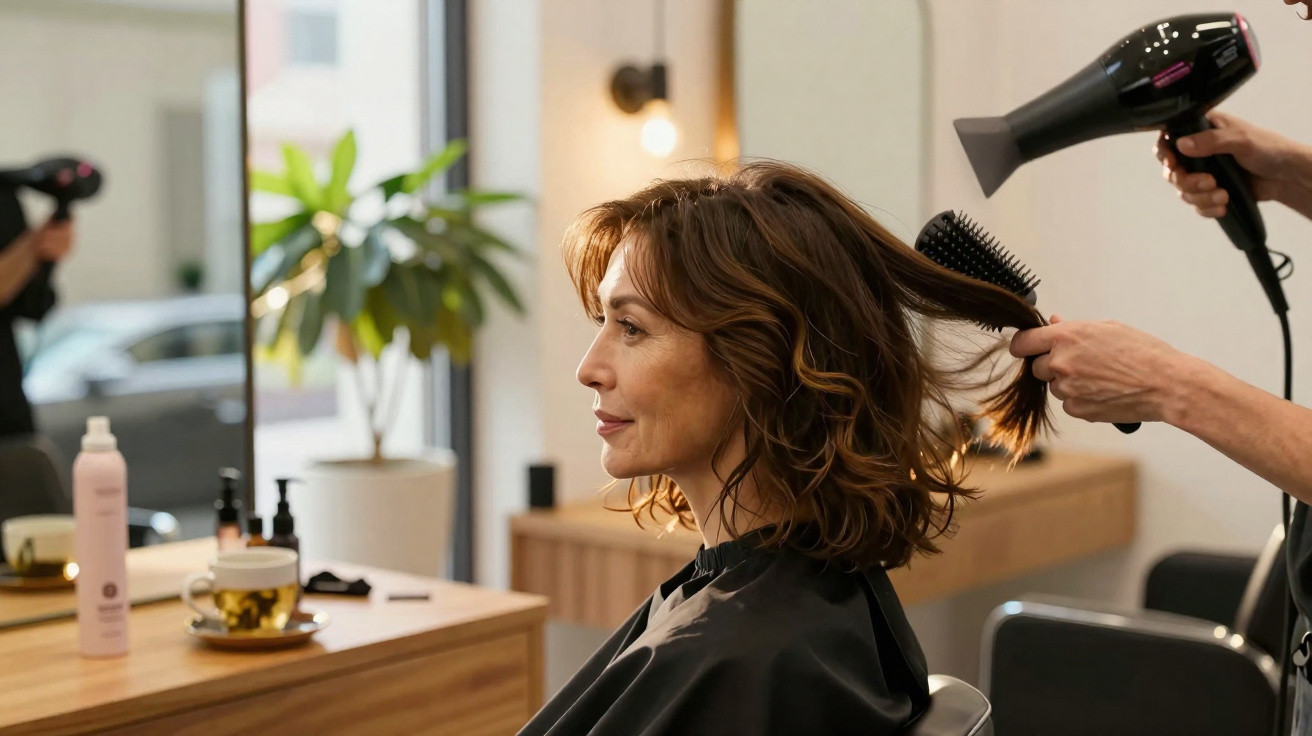
Increasingly, stylists are combining both methods. Someone might opt for conventional dye once or twice yearly, then preserve the tone between visits with herbal rinses or plant-based glosses. Olive oil masks before a colour appointment may help shield delicate ends. As a result, bay leaves and synthetic pigments can sit side by side on the same salon trolley.
Safety, patch tests and realistic expectations
Natural ingredients are not automatically safe. Walnut leaves, henna and indigo may all provoke reactions in susceptible people. Itching, allergic eczema or swelling can occur, occasionally with a delay.
A 48-hour patch test, even with kitchen ingredients, remains one of the simplest ways to avoid trouble.
People with very dry or tightly coiled hair should also balance water-based applications with sufficient oils. Repeated acidic or tannin-rich rinses without conditioner or oil may leave the fibre “thirsty” and fragile. Switching between moisturising infusions and nourishing masks helps preserve elasticity.
Dermatologists generally support pared-back products containing a small number of identifiable plants. However, they continue to caution against homemade pastes kept for too long or blends with uncertain ingredients. Cleanliness, freshness and clear labelling are as important for a packet of powdered leaves as they are for a tube bought at a pharmacy.
Beyond colour: what grey hair signals – and what it does not
On social media, going grey is increasingly framed as a style choice rather than an act of surrender. Influencers pair silver streaks with precise cuts, while older men replace boxed dye with meticulously maintained salt-and-pepper beards. Mediterranean remedies suit this approach as ways of managing light and texture, rather than weapons in a battle against ageing.
Some still prefer high-coverage colour and tightly planned appointments. Others choose a gentler route: allowing grey to show while using oils and herbs to ensure hair remains glossy, fragrant and enjoyable to touch. For them, the greater danger is not a botanical rinse but unrealistic expectations. No tisane can undo genetics, and disappointment can be acute when marketing implies otherwise.
For anyone interested in trying these methods, a useful starting point could be a three-month “grey care” routine: herbal rinses twice weekly, an olive oil pre-shampoo treatment every week, and a dietary review with a doctor or nutritionist to exclude B12, iron or copper deficiencies. The purpose is to observe how the hair performs, how the scalp feels and how personal perception changes, rather than counting white hairs beneath the bathroom light.
More broadly, researchers are beginning to examine the molecular mechanisms of greying in greater detail, including failures in stem-cell migration and patterns of oxidative damage. Future therapies may act directly on these pathways. Until then, Mediterranean kitchen wisdom provides a low-tech trial: use nearby plants, pay attention to the scalp, and regard grey hair not as a crisis but as a texture that can be adjusted.





Comments
No comments yet. Be the first to comment!
Leave a Comment