
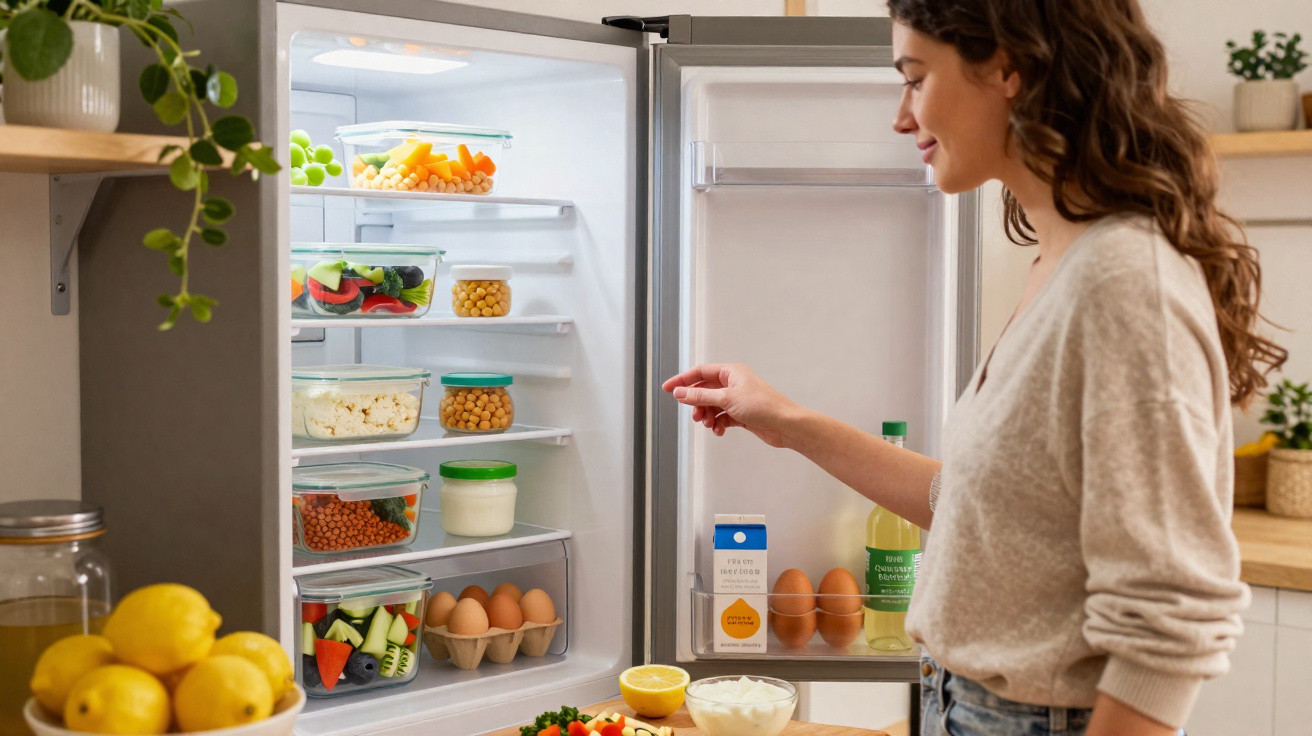
Rather than following a rigid eating plan, the focus is on what is already in your fridge. A nutritionist explains how a handful of everyday staples can help the number on the scales fall gradually and consistently - without frustration, bans or expensive health-food-shop products.
Losing weight without diet obsession: how the fridge trick works
When you arrive home tired in the evening, it is easy to reach for a frozen pizza, a takeaway or sweets. The familiar issue is that these choices often contain too much fat and sugar, while providing very few nutrients. Nutrition experts say this cycle can be broken by stocking food wisely. It does not require exotic superfoods, but eight straightforward foods that will fit into almost any fridge.
These eight everyday ingredients are more filling, provide valuable nutrients and reduce calories almost incidentally - without fundamentally changing daily life.
The principle is simple: if certain foods are always within reach, you will naturally make better choices. Meals can be prepared more quickly, your diet becomes more balanced and cravings are less likely - even on days when motivation is completely absent.
8 fridge staples that can support weight loss
The foods below are affordable, easy to store and versatile enough for many different meals. They are especially useful if you want to reduce your weight while still enjoying what you eat.
1. Frozen vegetables: a quick, filling standby
Frozen vegetable mixes keep for months and are often ready to go straight into the frying pan. They offer fibre, vitamins and plenty of bulk while being very low in calories. They are ideal for:
- bulking out pasta or rice dishes and halving the serving size
- turning a little egg and cheese into a quick baked omelette
- creating a substantial vegetable base for leftover meat or tofu
Keeping one or two bags of frozen vegetables in the freezer means you are far less likely to rely on a takeaway.
2. Pulses: lentils, chickpeas and more for lasting fullness
Pulses are rich in plant protein and fibre. They cause blood sugar to rise more slowly than traditional side dishes such as white bread or refined pasta, which can help curb cravings.
Pre-cooked versions in jars or tins are particularly convenient. Half a jar of chickpeas in a vegetable soup, or a few spoonfuls of lentils added to a salad, can make a meal much more satisfying.
3. Small quark-style cream cheese: an affordable protein source
Products similar to traditional small curd cheese or creamy low-fat quark provide plenty of protein for a moderate calorie count. They work equally well in sweet and savoury dishes:
- with a little honey and berries as a dessert instead of chocolate pudding
- mixed with herbs and garlic as a spread for bread
- as the base for a quick dip served with vegetable sticks
Its high protein content helps you stay full for longer, so you are less likely to reach for a biscuit an hour later.
4. Plain yoghurt: the quiet hero of lighter sauces
Unsweetened plain yoghurt is highly versatile: it is useful not only at breakfast but also in savoury cooking. Replacing some of the mayonnaise or cream in sauces with yoghurt can quickly save a considerable number of calories per portion.
Examples include:
- yoghurt + mustard + a little lemon juice = a quick light sauce for potatoes
- yoghurt + herbs + cucumber = a fresh dip for roasted vegetables
- yoghurt + spices + a dash of oil = a dressing for colourful salads
5. Plant-based cooking cream: a gentle alternative to double cream
Plant-based alternatives to conventional cream, such as soy-based versions, generally contain much less fat. Cooking with them lowers the energy density of many favourite meals without requiring a major sacrifice in flavour.
Whether used in pasta sauces, gratins or bakes, the difference in mouthfeel is often small, while the calorie saving can be noticeable.
6. Lemon juice: more freshness, less fat
Lemon adds acidity, bringing depth to dishes and intensifying their flavour. This makes it possible to use less oil in dressings without leaving the sauce watery. A classic ratio is two parts lemon juice to one part oil, with seasoning added.
A squeeze of lemon over fish, baked potatoes or grilled vegetables can also replace some of the butter or heavy sauce.
7. Apple cider vinegar: support for blood sugar
Apple cider vinegar contains very few calories, has a fruity, sharp flavour and works well with raw vegetables, salads and lukewarm vegetable dishes. Studies suggest that a tablespoon of vinegar before or with a carbohydrate-rich meal may slightly soften the rise in blood sugar.
A steadier blood sugar pattern can reduce cravings and make it easier to stick to sensible portions throughout the day.
One important point: do not drink large quantities neat, as it may irritate the mucous membranes. Always dilute it or incorporate it into food.
8. Eggs: a versatile protein classic
Eggs provide high-quality protein, healthy fats and several fat-soluble vitamins. They keep well in the fridge and can be prepared in countless ways:
- scrambled eggs with frozen vegetables for a quick evening meal
- hard-boiled eggs as a protein snack at work
- shakshuka: eggs poached in a tomato and vegetable sauce
Choosing an egg more often in place of sausage or cheese will often lower the calorie content of a meal almost automatically.
Gentler cooking instead of frying: methods that genuinely make meals lighter
What ends up on the plate is only half the story. How food is cooked also affects the calorie balance. Three methods are considered particularly weight-friendly:
| Cooking method | Benefit | Typical dishes |
|---|---|---|
| Steaming | No extra fat is needed, and vitamins are retained more effectively | Vegetables, fish, chicken breast |
| Grilling | Fat drips away, while charred flavours add plenty of taste | Vegetable skewers, steaks, halloumi |
| Oven cooking | Very little oil is required, and large quantities can be made at once | Roasted vegetables, potatoes, fish en papillote |
Switching more often from pan-frying with plenty of fat to steaming, grilling or oven cooking can quietly save a substantial number of calories each day - without the need to eat smaller portions.
Stress-free planning: staying full and getting lighter without calorie counting
For many people, calorie counting is tiring and can easily lead to frustration. A practical alternative is to keep prepared components in the fridge.
It is worth setting aside a short meal-prep session once a week. For example, prepare:
- a tray of roasted vegetables using a frozen mix and fresh leftovers
- a pan of cooked pulses or a large portion from a jar
- several hard-boiled eggs
- a large serving of yoghurt and herb dip
These components can be turned into the following within minutes:
- savoury bowls with pulses, roasted vegetables and egg
- open sandwiches with a protein spread and vegetables
- substantial salads with warm elements
This makes the temptation to “just order something quickly” much less likely.
Why this strategy works better than strict diets
Strict plans built around forbidden foods often result in yo-yo effects. The fridge method relies instead on structure and convenience: the healthier choice should be the easiest choice. Anyone who wants to make only three simple moves after a long day needs suitable ingredients right in front of them.
There is another benefit: the suggested foods contain plenty of protein and fibre. Both help extend the feeling of fullness. When you genuinely feel satisfied, it becomes much easier to skip snacks between meals.
Practical everyday tips and possible pitfalls
A few straightforward rules can help make the approach work:
- Always include frozen vegetables, plain yoghurt and eggs on the weekly shopping list.
- Keep pulses in jars or tins in the cupboard, rather than buying them only on rare occasions.
- Mix sauces and dressings yourself instead of using ready-made options.
- When choosing plant-based cooking cream, look for varieties with a moderate fat content.
It is sensible to take some care with cheese, sweetened yoghurts and ready-made sauces. They can certainly be part of a balanced diet, but may contain more calories than expected. Choosing natural products with the shortest possible ingredient lists makes it easier to keep track.
The combination of the foods listed is also useful: frozen vegetables, pulses and an egg can become a complete meal in minutes, providing everything the body needs - and often using less energy than an average takeaway burger.
Anyone who gradually starts to “rebuild” their fridge in this way will usually notice within a few weeks that their trousers fit more loosely, without life feeling like a diet. This calm, practical effect is precisely what the approach is designed to achieve.






Comments
No comments yet. Be the first to comment!
Leave a Comment