
Many people over 60 notice that their bodies are becoming more demanding: joints ache, sleep is more easily disturbed and concentration weakens. At the same time, the desire to remain independent for as long as possible grows stronger. This is where an activity that involves no speed, noise or pressure to perform can make a difference – while still providing noticeable benefits for body and mind.
When ageing starts to be noticeable
Statistics show that more and more people are living into their 60s, 70s, 80s and beyond. Lifespans are increasing, but this does not automatically mean that healthy years increase too. From a certain point, familiar effects of ageing begin to appear – gradually at first, then more clearly.
Many older people will recognise the pattern: getting going in the morning takes longer, stairs are approached more cautiously, sleep problems become more common, and memory seems less dependable than it once was.
Among the issues that often arise after 60 are:
- cognitive difficulties and reduced ability to remember
- trouble getting to sleep or staying asleep
- low mood and lack of motivation
- diabetes and high blood pressure
- joint complaints such as osteoarthritis or back pain
- reduced eyesight, for example due to cataracts
- respiratory conditions such as chronic bronchitis or COPD
The loss of a professional role is also common. The routine of the working day disappears, social contact becomes less frequent, and some people suddenly feel “no longer needed”. This can deepen feelings of uncertainty and encourage inactivity – creating fertile ground for further health problems.
People who move very little in later life increase their risk of falls, chronic pain, loneliness and psychological strain – a vicious cycle that requires a conscious decision to break.
Why conventional sports do not suit everyone
Walking, power walking, swimming and cycling are the standard recommendations. Although they offer many benefits, they do not fit every person's circumstances. Some people have knee or hip problems and do not feel confident covering longer distances. Others feel uncomfortable at the swimming pool or live far from sports facilities.
In addition, the word “sport” itself can put people off after a certain age. It suggests performance, pace and competition. Many need a gentler kind of movement that allows time for breaks and does not depend on fitness levels or equipment.
This is precisely why an activity once dismissed as “esoteric” has gained fresh importance and is now well researched scientifically.
The surprising answer: yoga in later life
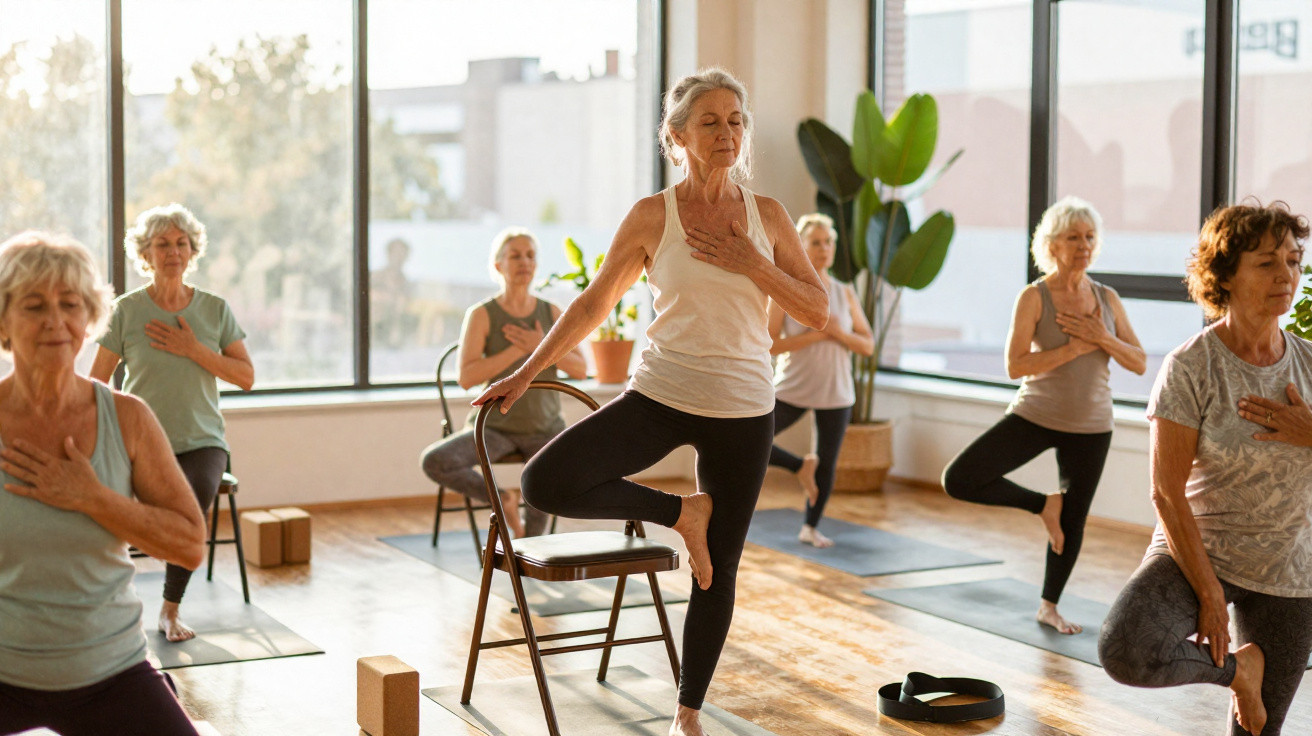
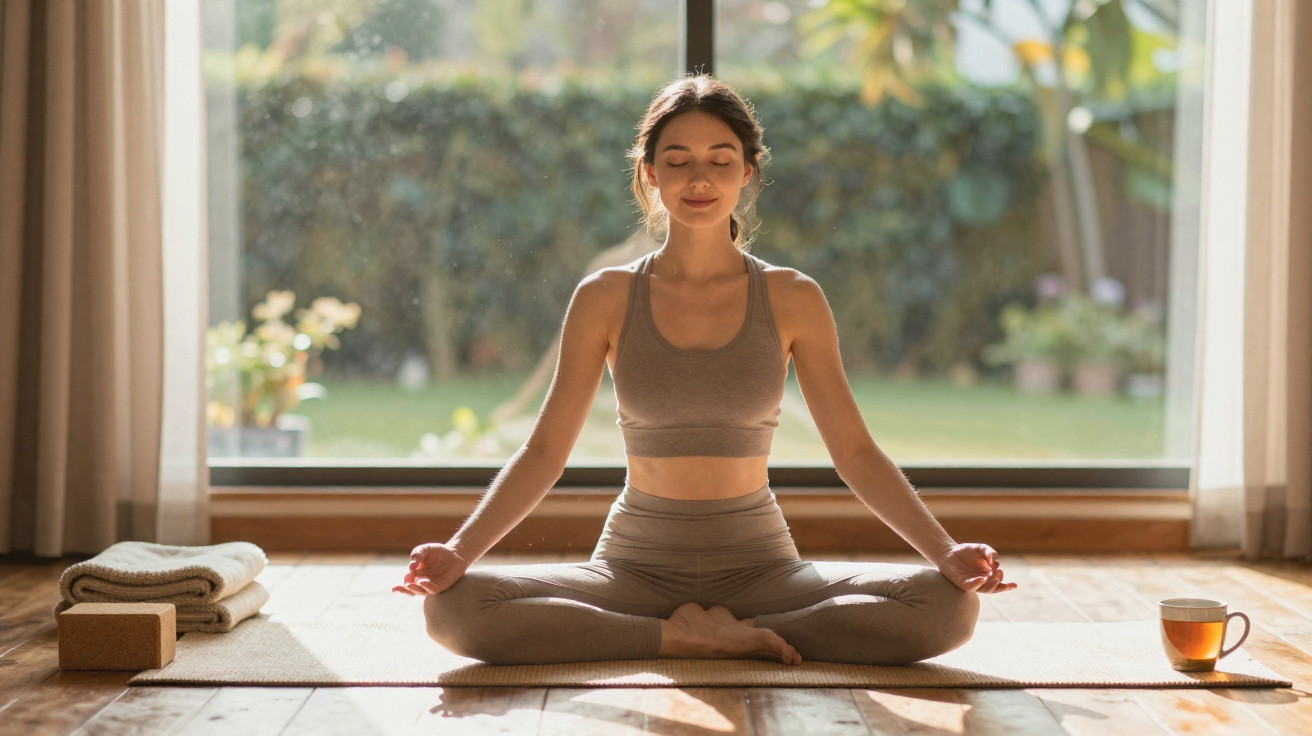
The activity in question needs neither running shoes nor a swimming pool and can be started in any living room: yoga. For some, it may initially bring to mind contortions seen on Instagram, but it is actually a highly adaptable system of physical postures, breathing techniques and conscious relaxation.
Yoga for people over 60 is not about acrobatics, but mindful, unhurried movement adapted to how you feel that day – often on a simple rug or mat.
When appropriately adapted, yoga offers a wide range of benefits that matter particularly in later life:
- improved mobility
- gentle muscle strengthening without weights
- better posture and stronger core muscles
- improved balance and coordination
- reduced stress and a calmer nervous system
- support with high blood pressure and sleep problems
- pain relief for chronic complaints
Medical journals report that yoga can reduce chronic pain and lower the need for painkillers. This can provide meaningful everyday relief, especially for back and joint pain.
How yoga strengthens the bodies of older people
Flexibility without overexertion
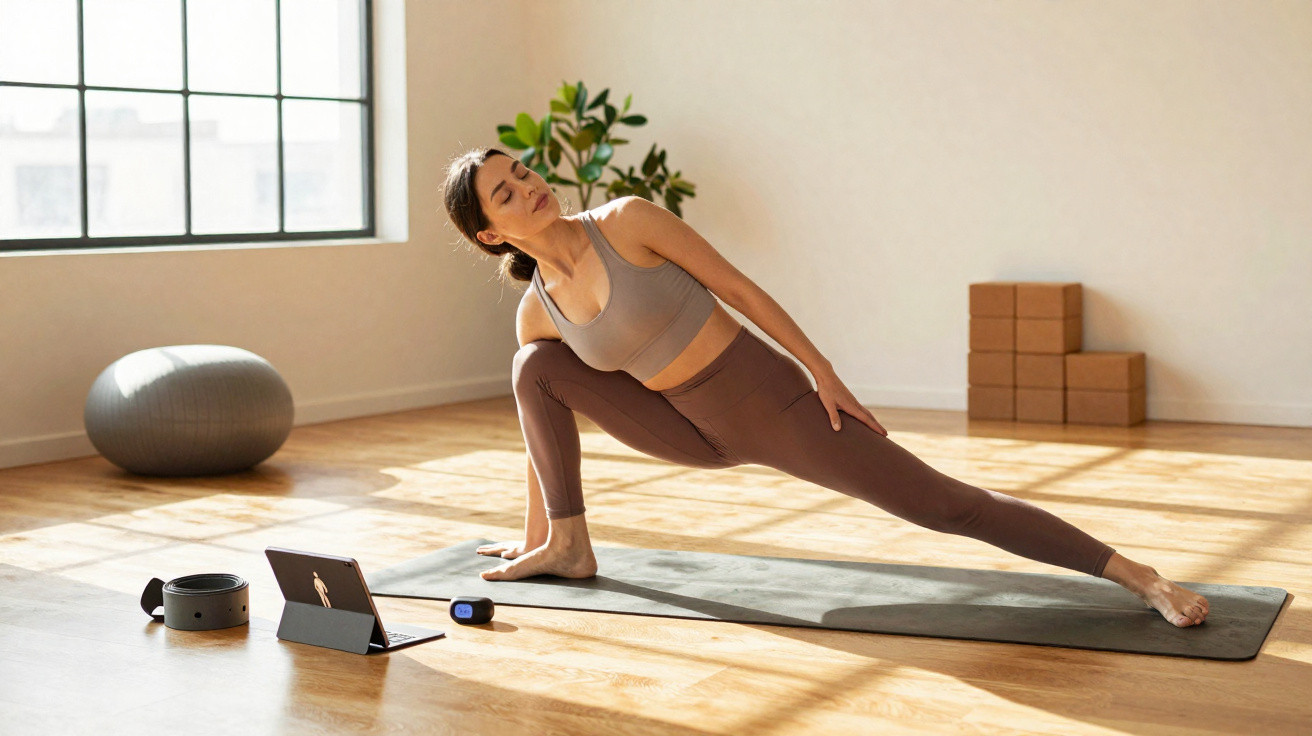
As we age, muscles, ligaments and fascia become stiffer. Many movements begin to feel “rusty”. Gentle yoga stretches ease tension without forcing anyone to their limits. The key principle is: no pain, only a stretching sensation.
Even basic positions such as the cat-cow movement on all fours can mobilise the spine and relieve pressure on the lower back. Anyone unable to kneel can perform similar movements while seated on a chair.
Better balance, fewer falls
Falls are among the greatest risks in later life. They often result in fractures and a loss of independence. Yoga specifically develops steadiness and the ability to react. Postures such as tree pose – lifting one foot slightly, with support from a wall if needed – train balance in a safe setting.
Regular practice trains not only the muscles but also proprioception: the body notices earlier when it is losing balance and can correct itself.
Gentle muscle strengthening
From around the age of 50, the body loses muscle unless action is taken to counter it. Yoga uses body weight as resistance. This protects the joints while strengthening the arms, legs and core. The classic wall sit or a gentle variation of a press-up against a table can help restore useful everyday strength – for instance, when carrying shopping bags.
The effect on the heart, breathing and blood pressure
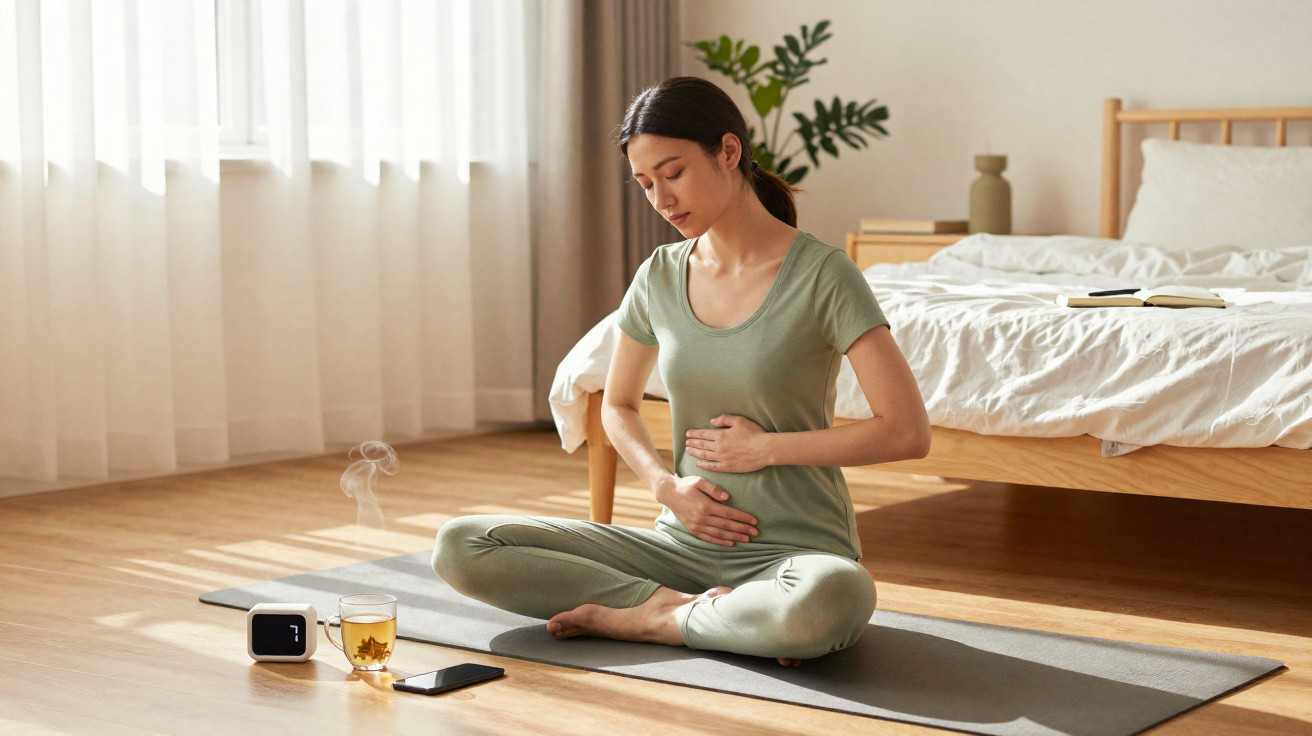
Yoga involves more than physical postures. Breathing exercises are a central element. They slow and deepen breathing, which can lower the pulse and calm the autonomic nervous system.
| Yoga element | Possible effect in later life |
|---|---|
| Calm, deep breathing | Reduces strain on the cardiovascular system and supports management of high blood pressure |
| Gentle upper-body twists | Encourages circulation and loosens the back muscles |
| Relaxation periods at the end | Better sleep quality and less inner restlessness |
Many older people say that, after several weeks of yoga practice, they fall asleep more calmly and wake less often during the night. Their minds settle, while palpitations and repetitive worrying ease.
What yoga does for the mind
Retirement changes everyday life radically. Where there were once appointments, deadlines and meetings, gaps can suddenly appear. Yoga can fill these spaces not only in terms of time, but mentally too.
The combination of movement and inward focus gives the day structure, creates space for self-care and reinforces the feeling of actively doing something for yourself.
Consistent practice supports concentration and body awareness. People become more attentive to signals such as tiredness, stress or pain before they escalate. Deliberate breathing can act as an anchor during moments of anxiety or overwhelm.
Those who practise in a group also benefit from social contact. Conversations before and after a class, or a brief exchange about symptoms and progress, can all reduce the risk of loneliness, which is often underestimated among older people.
Starting yoga after your 60th birthday
Take it step by step, not perfectly
Many people hesitate to begin because they feel too stiff or unfit. Yet these are exactly the people who may benefit most. A realistic starting point could look like this:
- Speak to a doctor, especially if you have heart problems, severe joint complaints or osteoporosis
- Look for classes described as “senior yoga”, “gentle yoga” or “chair yoga”
- Begin with short sessions of 10–15 minutes, two to three times a week
- Build up gradually to 30 minutes, adapting practice to good days and bad days
- Use a clear stop signal: pause immediately if you experience dizziness, severe pain or shortness of breath
If there is no nearby class, it is possible to start with simple exercises at home, ideally after an introduction from a qualified professional. Many movements can be performed sitting down – a major advantage for people with balance difficulties.
What you need for your first session
The barrier to getting started is low. For most types of yoga, all that is needed is:
- a firm rug or non-slip yoga mat
- comfortable clothing that does not restrict movement
- a chair without armrests for support
- a blanket or cushion for the knees and back
High-tech gadgets, fitness watches and expensive outfits offer little additional benefit. A calm setting where the phone is deliberately left aside matters far more.
Where the risks are – and how to avoid them
Yoga is considered gentle, but it is not entirely without risk. Jerky movements, excessive backbends and holding demanding positions for too long can cause problems in particular. Extra care is required with osteoporosis, unstable joints, an acute slipped disc or severe high blood pressure.
The safest approach in later life is clear communication with the teacher, no ambition that pushes you beyond your own limits, and performing simpler postures properly instead.
Good yoga teachers provide alternatives: sitting on a chair instead of cross-legged on the floor, or practising standing at a wall instead of lying down. Listening to your body in this way can significantly reduce the risk of injury.
How yoga works alongside other activities
Many people wonder whether yoga alone is enough. For some people with limited mobility, the answer is yes – certainly at the beginning. Those who can move more freely may see a particularly strong effect when yoga is combined with gentle forms of endurance exercise.
- Yoga + walks: better balance and less breathlessness while walking
- Yoga + swimming: joints remain mobile and muscles strengthen without placing excessive strain on the joints
- Yoga + physiotherapy: therapeutic exercises may become easier to carry out
The combined benefit becomes apparent in everyday life: getting out of an armchair more easily, climbing stairs more securely, less fear of falling, and greater enjoyment of activities with grandchildren or friends.
A practical scenario: how 12 weeks of yoga can make a difference
Imagine a 68-year-old woman with mildly high blood pressure and recurring back pain. She starts gentle yoga twice a week for 20 minutes, partly on a chair and partly on a mat.
After four weeks, she finds it easier to get out of bed in the morning. Her back pain has not disappeared, but it occurs less often and is less intense. After eight weeks, her GP notes slightly improved blood pressure readings; she falls asleep more quickly and wakes feeling more refreshed. After twelve weeks, she feels confident enough to walk on uneven paths in the park again because her balance feels steadier.
Such progress is not a miracle promise, but it shows how small, regular sessions can gradually influence a person's whole life.
Yoga terms explained briefly
Newcomers to a class can quickly come across unfamiliar words. Three terms appear particularly often:
- Asanas: this is the name for yoga postures. Every position has a name, such as “mountain”, “tree” or “warrior”.
- Pranayama: this refers to breathing exercises. They are used to deepen, slow down or guide breathing more consciously.
- Savasana: the relaxation phase at the end, usually lying down. This is when the body processes the earlier practice.
Knowing these basic terms can help people feel more at ease in class. There is no need to study philosophy; the practical benefit is what matters most.
Why now is a good time to begin yoga
Medical progress is extending life expectancy, but how we fill those years is largely in our own hands. Yoga gives people over 60 a realistic way to take active control – without pressure to perform, major expense or complicated technology.
Ultimately, what matters is not how far forward you can bend, but whether you wake with less pain, feel steadier on your feet and become a little more comfortable in your own body again. That is exactly why yoga is well suited as a quiet yet effective companion through later life.

Comments
No comments yet. Be the first to comment!
Leave a Comment