
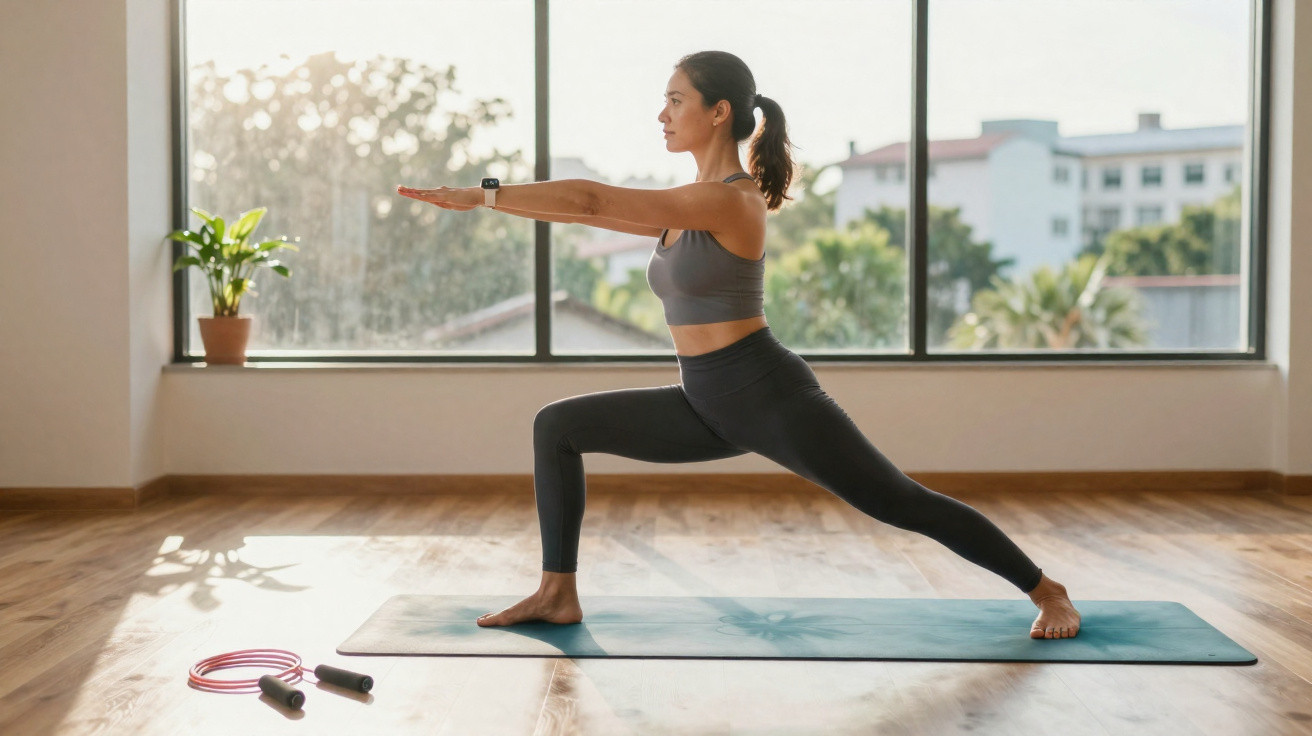
Yoga brings together postures, breath control and relaxation in a practice that may support blood pressure, heart rate, balance and certain indicators of cardiovascular health. Although it is often promoted as a way to look after the heart and improve circulation, there is no evidence that it is consistently superior to walking, cycling or strength training; its distinctive feature is that it addresses movement and stress management at the same time.
Why can yoga benefit the heart?
Some of its potential benefits stem from the combination of physical activity and nervous-system regulation. Controlled breathing, movement and relaxation periods may lessen stress-related activation, while certain postures demand strength, stability and muscular control. Studies compiled in reviews have also reported lower blood pressure in particular groups, especially among people with hypertension.
How can the practice affect blood circulation?
Alternately moving the arms, legs and torso requires the cardiovascular system to make ongoing adjustments. At the same time, research into endothelial function examines whether regular practice helps blood vessels retain their ability to dilate. One review found improvements in some of the studies assessed, although others did not detect a statistically robust effect, meaning this benefit cannot be considered guaranteed for everyone.
Cardiovascular effects may arise through several mechanisms, rather than solely from the exertion involved in each posture. Areas investigated include:
- lower blood pressure in some groups;
- heart-rate regulation;
- reduced stress-related activation;
- potential improvements in blood-vessel function;
- better balance, flexibility and physical stability.
Does yoga replace walking, cycling and strength exercises?
Not necessarily. Brisk walking, cycling and other aerobic activities raise heart rate and breathing at a sustained level, whereas resistance exercise provides specific stimulus for building and maintaining muscular strength. The American Heart Association lists yoga as a useful activity within a varied routine, rather than a compulsory replacement for other forms of exercise.
Breathing and movement are part of the same exercise
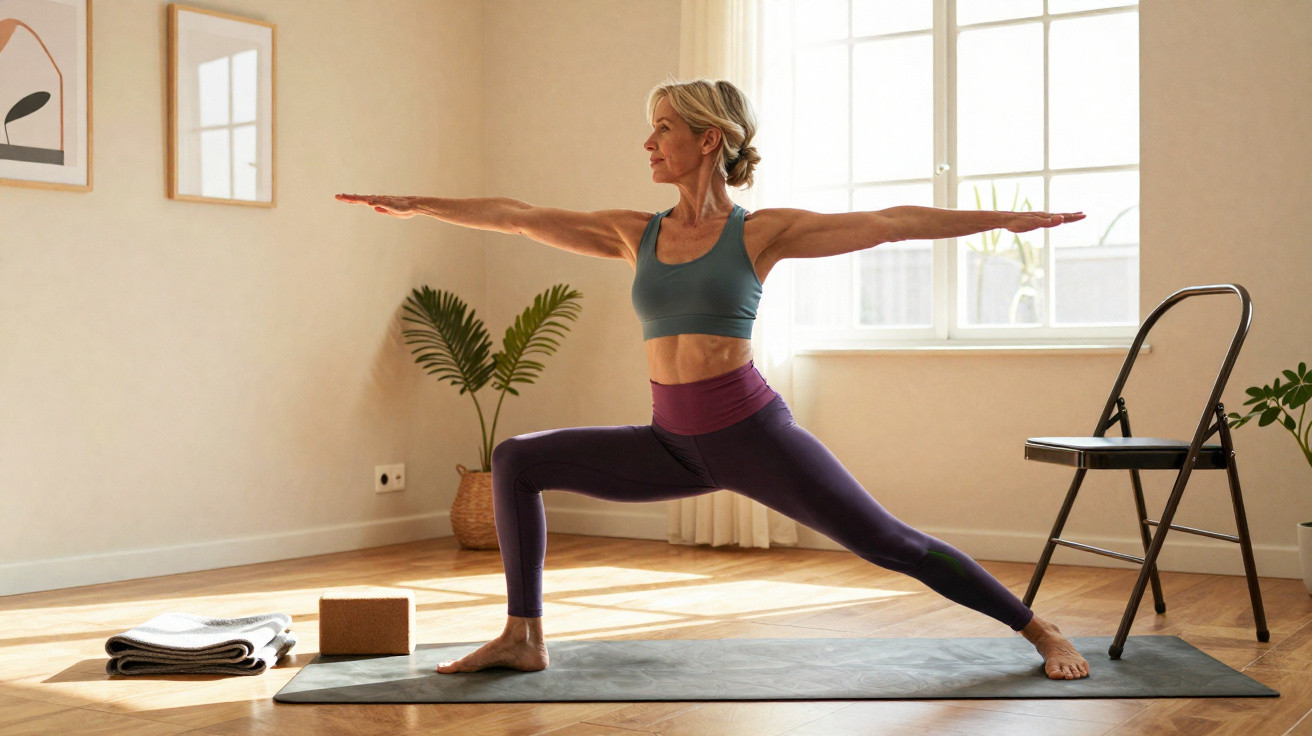
A defining feature of yoga for cardiovascular health is that performing it is not simply about reaching a particular position. Controlled breathing, maintaining alignment and moving between postures without rushing are all integral to the practice. As a result, the intensity of a session can differ greatly according to the style selected and the sequence of postures.
To get the most from the activity without progressing too quickly, a few measures can make practice more sustainable:
- begin with postures suited to your own mobility;
- avoid holding your breath while exerting yourself;
- build up balance and range of movement gradually;
- do not persist with positions that cause pain;
- combine the practice with aerobic and strengthening activities across the week.
What is the best way to use yoga to support cardiovascular health?
The greatest benefit is likely when the practice becomes regular and forms part of a physically active routine. International recommendations still prioritise 150 to 300 minutes of moderate aerobic activity each week, or an equivalent amount of vigorous activity, alongside strengthening exercises for the major muscle groups on at least two days a week. Yoga can complement this combination through movement, balance, flexibility and relaxation techniques.
Therefore, describing yoga as the “best exercise” oversimplifies an issue that depends on age, fitness and individual goals. Its advantage lies in combining physical work and breath control within one session, with promising evidence relating to blood pressure, stress and certain aspects of vascular function. For the heart and circulation, the most consistent approach remains regular physical activity and combining different types of stimulus rather than relying on one activity alone.




Comments
No comments yet. Be the first to comment!
Leave a Comment