
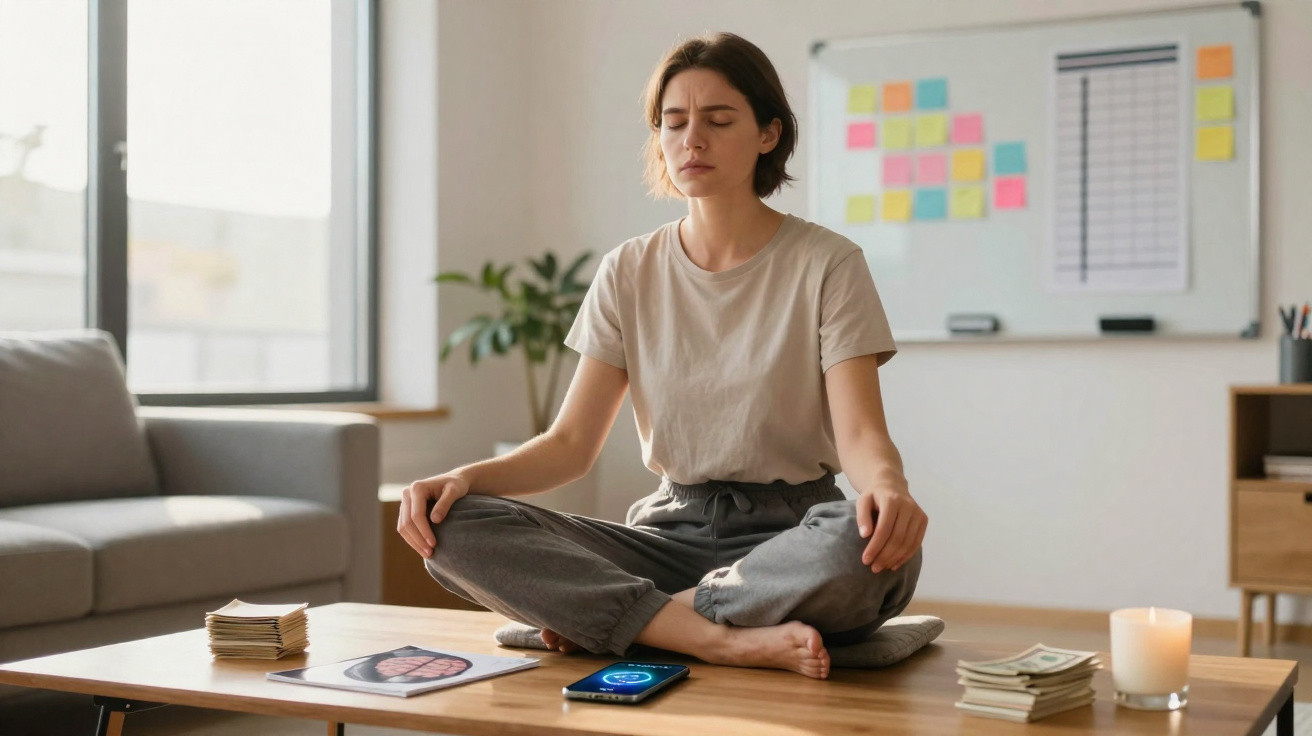
Mindfulness can be practised at home without cost, so it is often presented as an ideal remedy for stress and mental health difficulties.
A Buddhist-derived form of meditation, mindfulness involves paying attention to what you are sensing, thinking and feeling in the present moment.
The earliest recorded evidence of this practice, discovered in India, dates back more than 1,500 years. Written by a Buddhist community, the Dharmatrāta Meditation Scripture sets out a range of practices and records symptoms of depression and anxiety that may arise following meditation.
It also describes cognitive disturbances connected with periods of psychosis, dissociation and depersonalisation, when people experience the world as "unreal".
Mindfulness meditation adverse effects
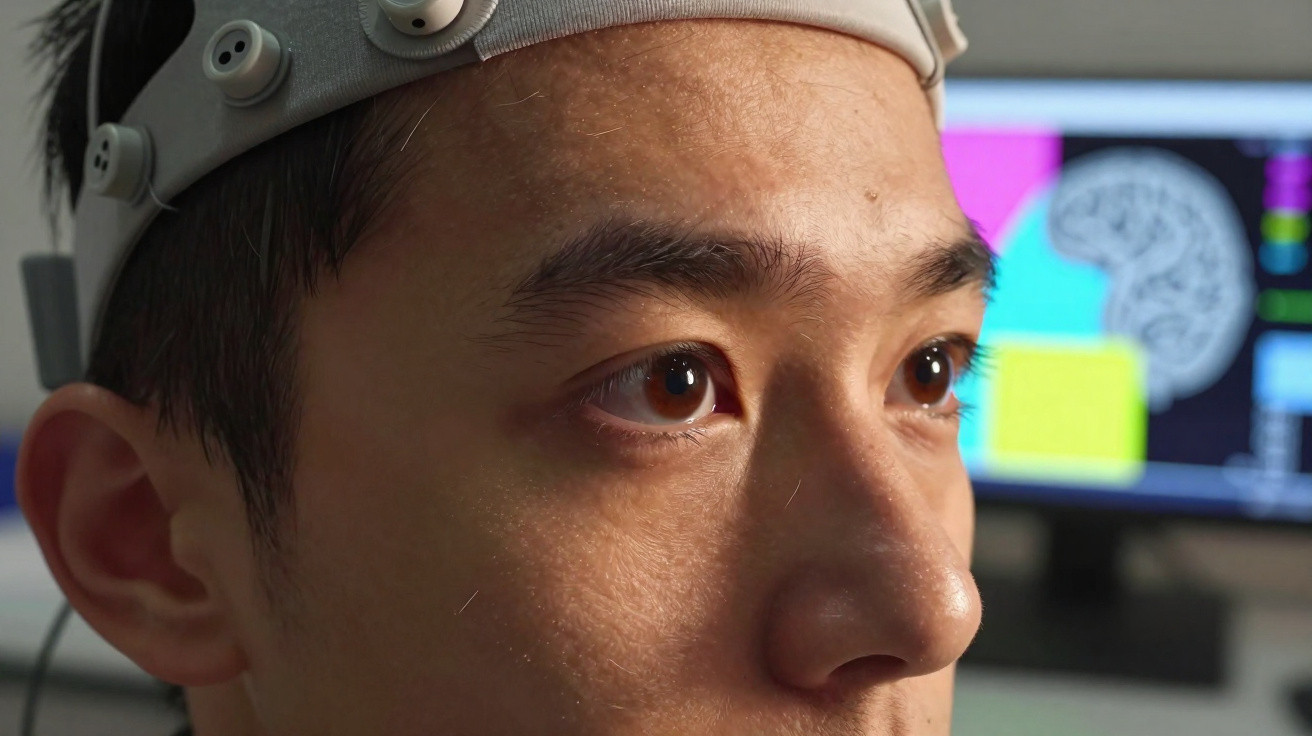
Scientific research into this subject has expanded sharply over the past eight years, and its findings indicate that harmful effects are not unusual.
A 2022 study of 953 regular meditators in the US found that more than 10 percent of participants had experienced adverse effects that substantially affected daily life and continued for at least one month.
A review, published in 2020, covering more than 40 years of research found that anxiety and depression were the most frequent adverse effects. Next came psychotic or delusional symptoms, dissociation or depersonalisation, and fear or terror.
Research has also shown that such effects may affect people with no prior mental health difficulties, as well as those with only moderate exposure to meditation, and that the resulting symptoms can persist over the long term.
Evidence of these adverse effects has been available in the western world for many years, too.
In 1976, Arnold Lazarus, an influential figure in the cognitive-behavioural science movement, warned that indiscriminate use of meditation could cause "serious psychiatric problems such as depression, agitation, and even schizophrenic decompensation".
There is evidence that mindfulness can improve wellbeing. However, mindfulness coaches, videos, apps and books seldom alert people to its possible adverse effects.
In his 2023 book McMindfulness, Ronald Purser, a professor of management and ordained Buddhist teacher, argued that mindfulness has turned into a form of "capitalist spirituality".
Meditation is worth US$2.2 billion (£1.7 billion) in the US alone. Senior people within the mindfulness industry should therefore be aware of the difficulties associated with meditation.
Jon Kabat-Zinn, a leading figure in the mindfulness movement, acknowledged in a 2017 interview with the Guardian that "90 percent of the research [into the positive impacts] is subpar".
In the foreword to the 2015 UK Mindfulness All-Party Parliamentary Report, Kabat-Zinn proposed that mindfulness meditation could ultimately transform "who we are as human beings and individual citizens, as communities and societies, as nations, and as a species".
This near-religious belief in mindfulness as a force capable of changing not just individuals but humanity's direction is widespread among its supporters. Many atheists and agnostics who use mindfulness also believe the practice can foster greater peace and compassion worldwide.
Evidence and media coverage of mindfulness
Media coverage of mindfulness has likewise been somewhat uneven.
In 2015, Buddha Pill, my book written with clinical psychologist Catherine Wikholm, contained a chapter reviewing research into meditation's adverse effects. The subject received broad media attention, including an article in New Scientist and a BBC Radio 4 documentary.
Yet the most costly study in the history of meditation science received little media attention in 2022, despite more than US$8 million in funding from the research charity Wellcome Trust.
Conducted between 2016 and 2018, the study assessed more than 8,000 children aged 11-14 in 84 UK schools. The findings showed that, compared with a control group, mindfulness did not improve children's mental wellbeing and may even have harmed those already at risk of mental health problems.
Ethical implications
Can it be ethical to market mindfulness apps, run meditation classes or use mindfulness in clinical settings without disclosing its adverse effects? In light of evidence showing both how common and varied these effects can be, the answer should be no.
Nevertheless, many meditation and mindfulness teachers assume these practices can only be beneficial and are unaware of the potential for adverse effects.
The account I most often hear from people who have experienced harmful effects from meditation is that their teachers do not believe them. They are generally told simply to continue meditating and that the problem will disappear.
Research into safe meditation practice has only recently got under way, so clear guidance for people is not yet available. More broadly, meditation involves unusual states of consciousness, while psychology lacks theories of the mind that would help us make sense of these states.
People can, however, use resources to understand these adverse effects. These include websites created by meditators who have had severe adverse experiences, along with academic handbooks that contain dedicated sections on the issue.
In the US, a mindfulness researcher leads a clinical service specifically for people who have suffered acute and long-term problems.
For the present, if meditation is to be used as a therapeutic or wellbeing tool, the public must be told about its potential to cause harm.
Miguel Farias, Associate Professor in Experimental Psychology, Coventry University
This article is republished from The Conversation under a Creative Commons license. Read the original article.
An earlier version of this article was published in July 2024.





Comments
No comments yet. Be the first to comment!
Leave a Comment