

In general, living in 2026 is something of a stroke of luck. It is a good era in which to be alive.
On average, people today are healthier than humans have ever been before: life expectancy is longer, infectious diseases are less common, and, after accounting for age, rates of death from most chronic illnesses are lower too.
Cancer illustrates this particularly well. Cancer incidence has remained steady or declined for decades. Better still, cancer mortality – the likelihood of dying from cancer after developing it – has dropped dramatically.
Thanks to new treatments, many cancers that amounted to a death sentence in the 90s are now regarded as chronic illnesses, much like diabetes or emphysema.
Colorectal cancer in young people
One disease appears to run counter to that broader pattern: colorectal cancer among young people.
Although overall rates of colorectal cancer, encompassing cancers of both the colon and rectum, have declined, there has been a recent rise in cases among people under 50 – an age considered young for cancer.
This change has scarcely affected the overall number of colorectal cancer diagnoses, since the absolute number of young people developing colorectal cancer remains very small.
Nevertheless, it is a deeply puzzling observation.
Colorectal cancer rates are generally somewhat lower among older people, yet are rising in younger people, and there is no strong explanation for why this is occurring.
Naturally, several possible explanations have been put forward.
Some have pointed to pesticides and herbicides, including picloram, which has been associated with colorectal cancer risk. But this theory presents two difficulties.
"While rates of colorectal cancer – which includes both colon and rectal cancers – have fallen overall, there's been a recent uptick in cases in people under the age of 50 which is considered young when it comes to cancer. " – Gideon Meyerowitz-Katz, Epidemiologist
First, picloram and numerous other chemicals are used slightly less now than they were during the 80s and 90s. It is difficult to see how these substances could be driving more cancer in one particular age group during the 2020s when their use has fallen.
Second, older people generally had greater exposure to these chemicals. That is unsurprising: regulations were far less stringent in earlier decades, and your parents probably had more pesticides in their food than you do.
If an environmental factor of this kind were responsible, it would not make sense for colorectal cancer to be rising among young people while declining among older people.
The same broad issue applies to many environmental exposures. Per- and polyfluoroalkyl substances (PFAS), commonly known as 'forever chemicals', have been linked to colorectal cancer.
Yet PFAS exposure is not cleanly separated by age, and in certain cases older people may have encountered far more of these chemicals than the younger group now experiencing more cancer.
That makes it difficult to identify an exposure that could account for the increase.
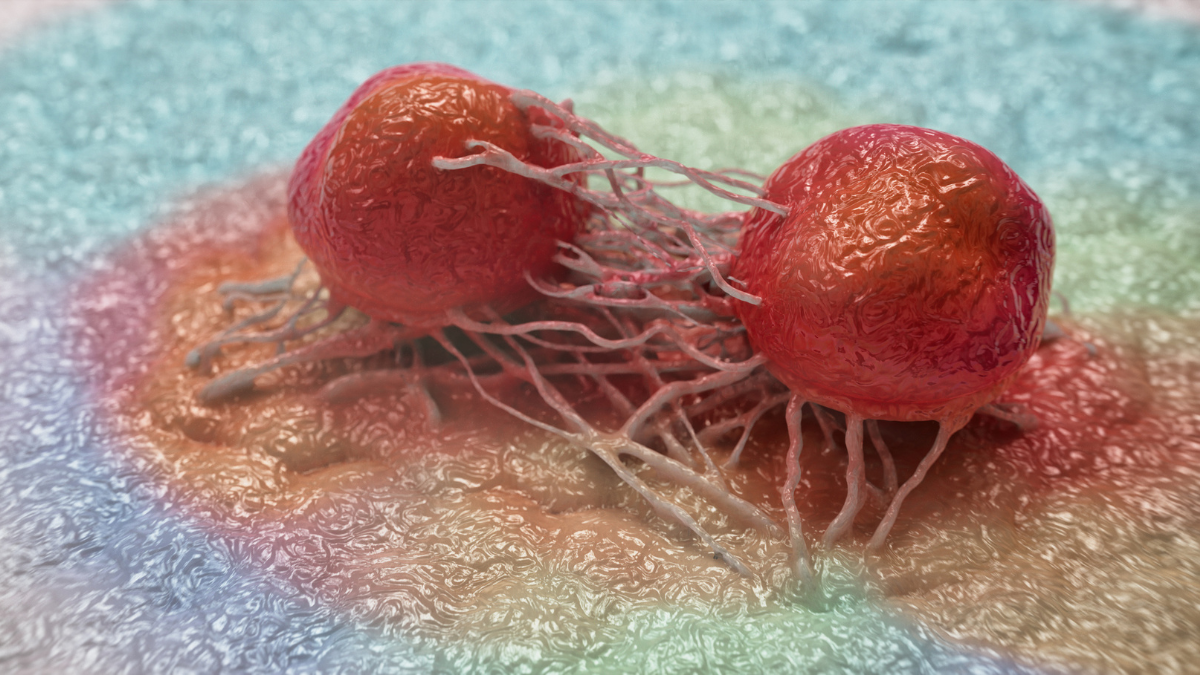
(koto_feja/Getty Images)
Most known potential causes of colorectal cancer are more prevalent in older people than in younger ones. Very few environmental problems are more widespread today than when older generations were growing up.
Possible causes and differing international patterns
Obesity is another possible explanation. We know that obesity leads to more colorectal cancer, and young people are unquestionably more likely to be obese today than they were previously.
But this is also not a persuasive full explanation, because older people are more obese as well. It therefore cannot be the sole influence on cancer risk. Modelling indicates that no more than 15 percent of colorectal cancer can be attributed to weight gain, and perhaps even less.
The colorectal cancer puzzle becomes still more complicated because the pattern varies between countries. It is not even uniform across groups of countries.
A 2019 study reported that colorectal cancer rates in young people were stable or falling in almost half of the countries examined.
A newer study from 2025 reached similar conclusions. This only makes matters murkier: it is unclear why colorectal cancer rates would rise in young people in the UK and US while falling in Italy and Lithuania.
Could testing explain the colorectal cancer trend?
Perhaps the most plausible account of all this complexity is testing.
Although we know that screening recommendations are unlikely to be the principal reason for the rise – not least because recommendations have only recently been expanded to younger age groups, while the trend has been under way since the 90s – healthcare systems have changed in other ways over recent decades.
Young people may simply be more likely to undergo testing for colorectal cancer for a range of reasons, increasing the number who receive a diagnosis.
Related: Drug Stops 90% of Pancreatic Cancer Migration in Lab Tests
The trend may also be connected to differences in how national data are reported. Disease statistics always describe the measured rate of a condition. Cancer registries have been improving for a long time, which could partly explain why more young people are being recorded as having cancer.
Even so, these explanations are not especially convincing. It is hard to see how they would affect younger and older people differently.
Recorded colorectal cancer rates are certainly increasing among young people in some countries, but the underlying reason remains somewhat mysterious. Many proposed explanations seem unlikely, yet identifying the true cause is extremely difficult.
Gideon Meyerowitz-Katz is an epidemiologist working in chronic disease in Sydney, Australia. He writes a regular health blog covering science communication, public health, and what that new study you've read about actually means. He's previously helped ScienceAlert explain the real science behind the most viral papers.
This article was fact-checked by Clare Watson and edited by Fiona MacDonald. Although we take pride in our process, we are only human. If you spot an error, please let us know.






Comments
No comments yet. Be the first to comment!
Leave a Comment